Quick Overview
Plastic pallets vs wooden pallets comes down to how many trips each pallet will make. Wooden pallets cost less upfront, are easy to repair and suit most one-way and general freight transport in Australia. Plastic pallets cost more, but they are lighter, wash down easily and last longer, which suits closed-loop, food, pharmaceutical and export work where hygiene or ISPM 15 paperwork matters.
For most businesses sending interstate palletised freight a standard 1165 × 1165 mm wooden pallet is the practical default. Plastic earns its place when the pallet is returned and reused many times, or when the load can’t tolerate splinters, moisture or timber treatment rules.
Introduction
That is the real problem with the plastic pallets vs wooden pallets question. Most businesses answer it on purchase price, because purchase price is the number sitting in front of them. The costs that matter more are replacement frequency, freight weight, damage claims, disposal, biosecurity holds at the border are spread across different budget lines and never get added up.
This guide compares the two honestly across cost, strength, weight, hygiene and sustainability, then works through what each means for Australian domestic freight, export shipping and warehousing. There is no universal winner, and any article telling you otherwise is selling something.
What Are Plastic and Wooden Pallets?
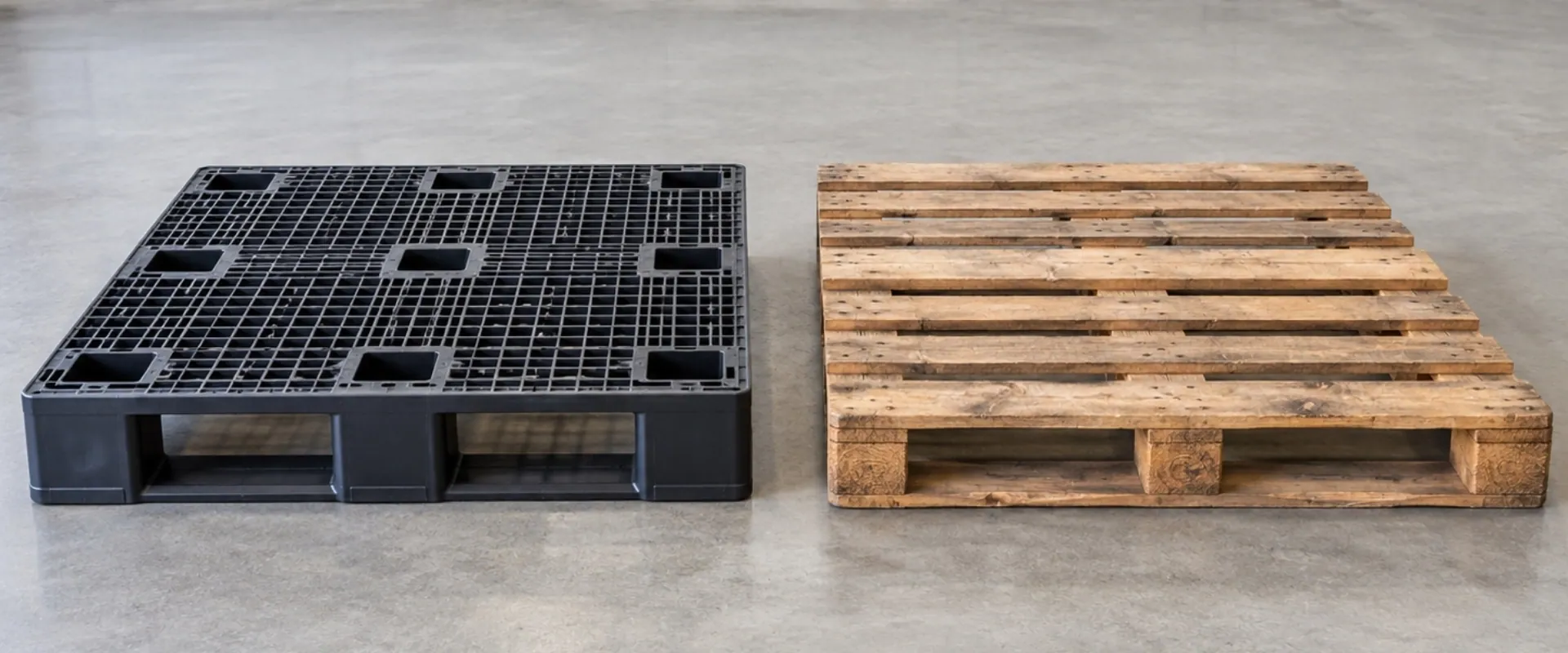
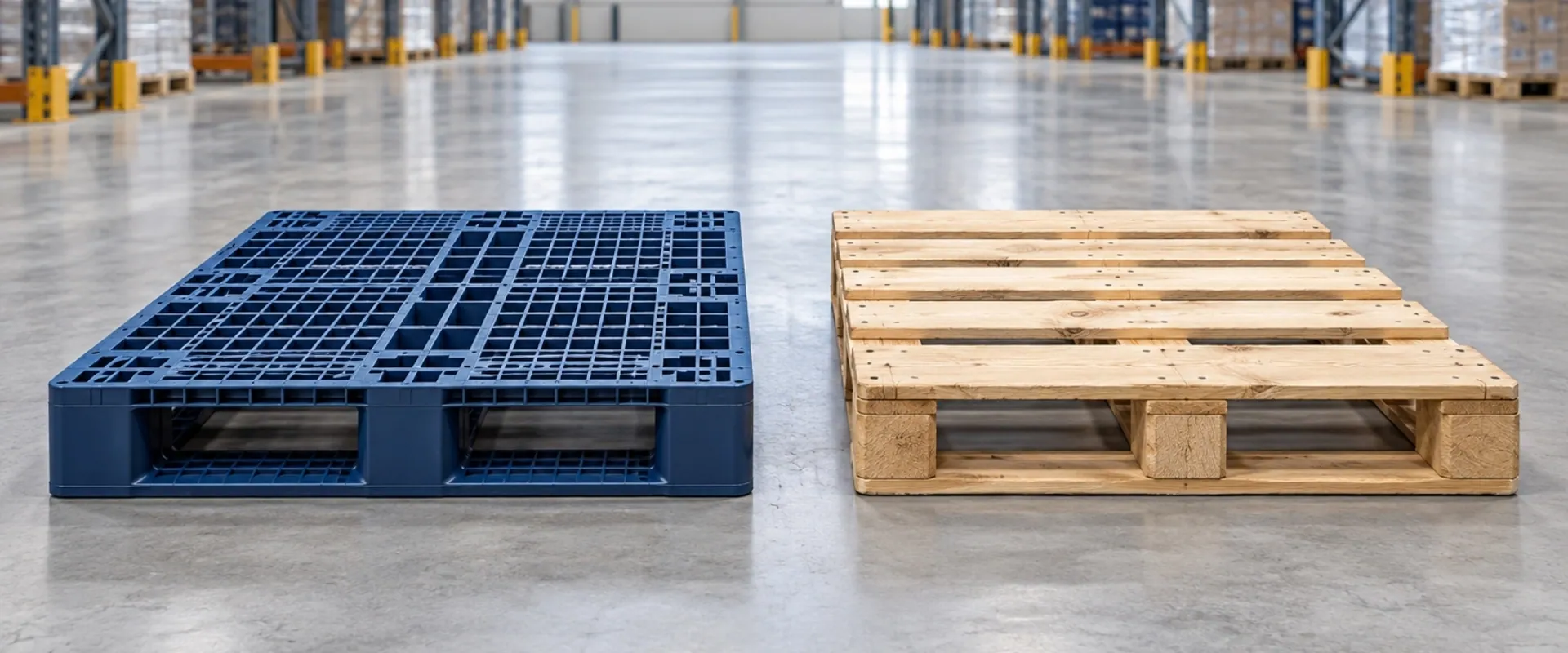
Both are flat platforms that let a forklift or pallet jack lift a stack of goods as one unit. The difference is the material and that one difference drives almost everything else about cost, hygiene and compliance.
What is a Plastic Pallet?
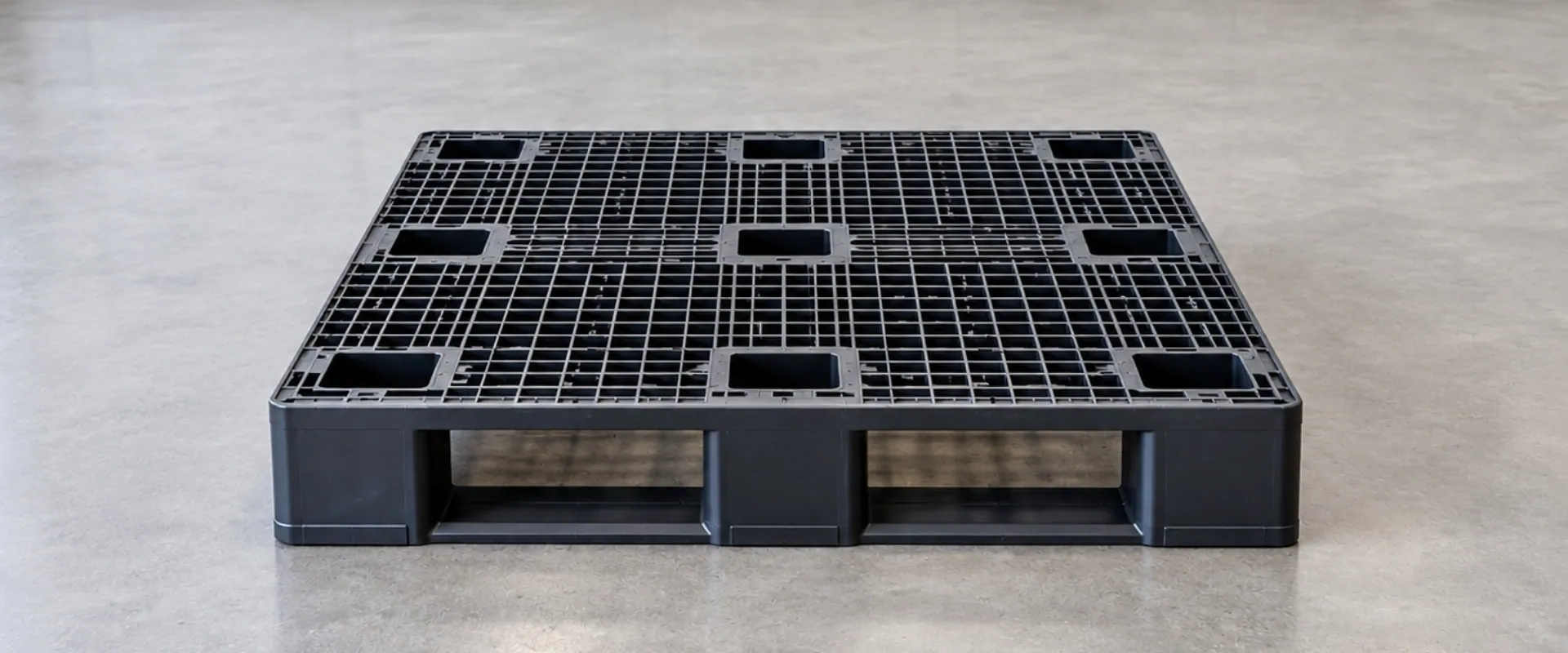
Plastic pallets are usually moulded from high-density polyethylene (HDPE) or polypropylene, either virgin or recycled. They are made as a single piece or from welded sections, so there are no nails, screws or splinters. Some heavier-duty designs include steel or composite reinforcement to lift rack capacity.
Because every pallet comes out of the same mold, size and weight are consistent. That suits automated conveyors and racking, and it is why plastic is common in dairy, beverage, pharmaceutical and other closed-loop supply chains where pallets return to the sender.
What is a Wooden Pallet?
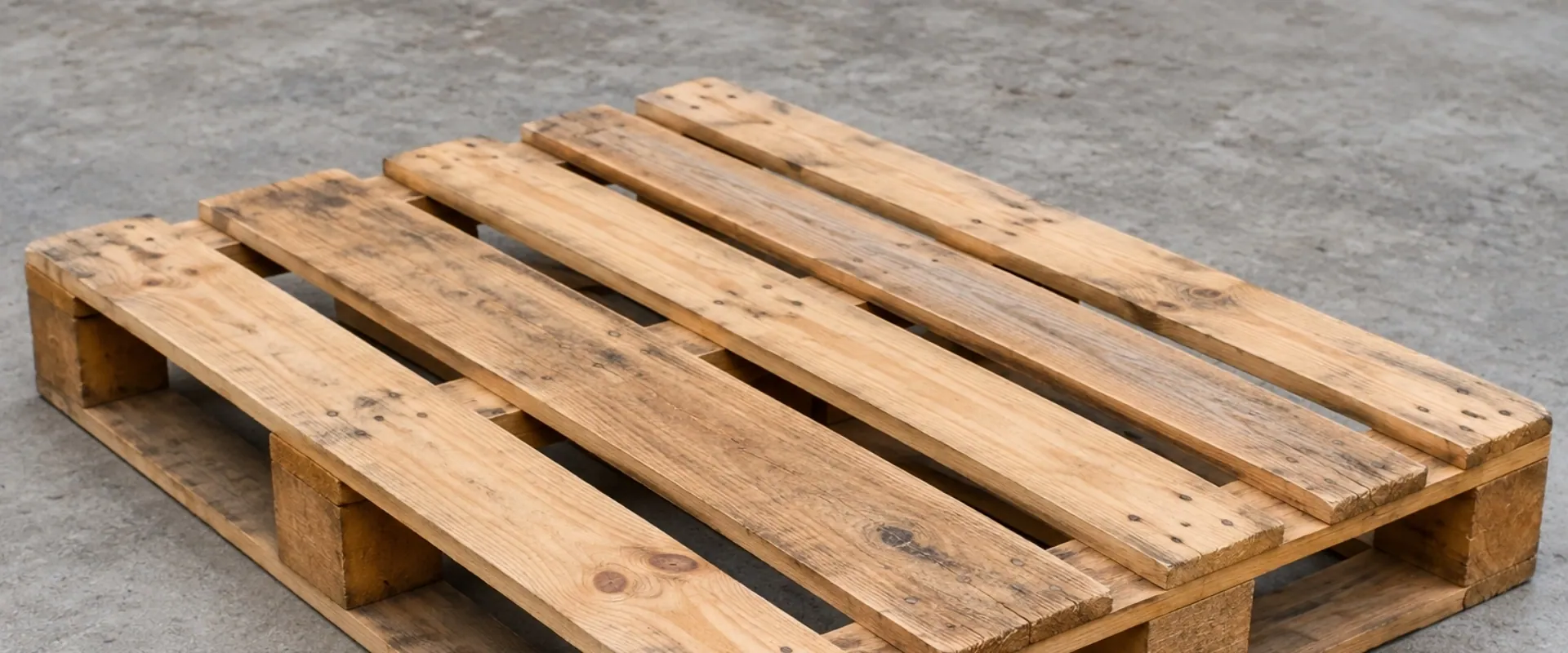
Plastic pallets are usually moulded from high-density polyethylene (HDPE) or polypropylene, either virgin or recycled. They are made as a single piece or from welded sections, so there are no nails, screws or splinters. Some heavier-duty designs include steel or composite reinforcement to lift rack capacity.
Because every pallet comes out of the same mold, size and weight are consistent. That suits automated conveyors and racking, and it is why plastic is common in dairy, beverage, pharmaceutical and other closed-loop supply chains where pallets return to the sender.
Plastic Pallets vs Wooden Pallets: Key Differences
Here is the short version before we go factor by factor.
| Factor | Plastic pallets | Wooden pallets |
|---|---|---|
| Upfront cost | Higher | Lower |
| Lifespan | Longer with proper handling | Shorter, but repairable |
| Weight | Usually lighter | Heavier, varies with moisture |
| Hygiene | Non-porous, easy to wash | Absorbs moisture, harder to sanitise |
| Weather | Resists rot and pests | Can rot, warp or grow mould |
| ISPM 15 (export) | Exempt, as it is not wood | Treatment and mark required |
| Repair | Hard to repair, often replaced | Easy to repair |
| Best for | Closed loops, food, pharma, export | General and one-way freight |
1. Cost and Long-Term Value
Wooden pallets win on purchase price, and by a wide margin supplier comparisons commonly put a plastic pallet at several times the cost of a timber one. That gap is why timber dominates one-way freight, where the pallet is unlikely to come back.
The math shifts when a pallet makes many trips. In the plastic vs wooden pallets cost debate, plastic can come out ahead on cost per trip if it is returned and reused for years, because you replace and repair far less often. If the pallet goes to a customer and never returns, you are effectively paying a premium for a lifespan you never use. Work it out as cost per trip, not cost per pallet.
2. Strength, Load Capacity and Durability
A standard Australian wooden pallet is built to carry two tonnes during handling, and pooled timber pallets are rated for much higher static loads when racked or stacked. Plastic pallets vary more by design, so always check the supplier’s dynamic, static and racking ratings rather than assuming plastic is automatically stronger.
Where plastic does pull ahead is resilience. It does not split, shed nails or rot, so a plastic pallet tends to hold its shape over many handling cycles. Timber pallets take more damage per trip, but a broken board can be replaced in minutes.
3. Weight and Freight Transport Efficiency
Plastic pallets are commonly lighter than timber, and some suppliers put them at around 70 per cent of a wooden pallet’s weight. A pooled radiata pine pallet already weighs about 34 kg, so on a full load the difference is real but modest. It matters most for air freight and for weight-sensitive loads, and much less for a dense pallet of bagged product that hits the axle limit anyway.
Consistency matters too. A moisture-laden timber pallet can weigh noticeably more than the same pallet dry, which quietly eats into your payload.
4. Hygiene, Moisture and Weather Resistance
This is where the wooden vs plastic pallets decision is clearest. Timber is porous. It soaks up spills and moisture and can harbour bacteria and mould if it stays damp, which is why food and pharmaceutical operations often prefer plastic. Plastic can be steam cleaned or chemically sanitised and does not rot.
Outdoors, plastic copes better with rain, humidity and UV exposure if it is UV-stabilised. Timber that is stored wet will deteriorate and can stain or contaminate the load above it.
5. Sustainability and Recyclability
Timber is renewable and biodegradable, and plantation-grown pine is widely used for Australian pallets. Wooden pallets can usually be repaired, reused and eventually chipped or recycled.
Plastic is energy-intensive to make and depends on collection for recycling, but its long service life spreads that footprint over many trips, and most HDPE pallets can be reground and remoulded at end of life. Neither material is automatically greener. A pallet that is reused 50 times usually beats one that is discarded after two, whatever it is made from.
Advantages and Disadvantages of Plastic and Wooden Pallets
Pros and Cons of Plastic Pallets
| Advantages | Disadvantages |
|---|---|
| Lasts far longer often 100+ trips | Several times the upfront cost |
| Exempt from ISPM 15 no treatment, no stamp, no holds | Cannot be repaired damage means replacement |
| 15-20 kg lighter than hardwood equivalents | Loses rated capacity at high temperatures; brittle in extreme cold |
| Non-porous, washable, pest-free | Lower surface friction loads can slide without good wrapping |
| Identical weight and dimensions every time | Largely outside CHEP and Loscam pooling |
| Nestable designs cut empty return freight | Higher fuel load in a fire may affect warehouse fire engineering |
| Recyclable into new pallets | Only pays off if you actually get them back |
Pros and Cons of Wooden Pallets
| Advantages | Disadvantages |
|---|---|
| Low purchase price the cheapest way to move freight | Shorter individual lifespan without repair |
| Repairable in minutes for a few dollars | Requires ISPM 15 treatment and marking for export |
| Available everywhere in Australia, same day | Absorbs moisture, adds weight, can grow mould |
| Supported by CHEP and Loscam hire pools | Can harbour pests a biosecurity risk at borders |
| Higher surface friction loads grip better | Splinters and protruding nails damage product and injure staff |
| Handles rough handling and high loads well | Variable weight complicates export weight declarations |
| Renewable, biodegradable, recoverable at end of life | Not suitable for audited hygiene environments |
Which Pallets Are Better for Freight Transport in Australia?
Neither material is better in every situation. The right answer depends on where the freight is going and whether the pallet comes back.
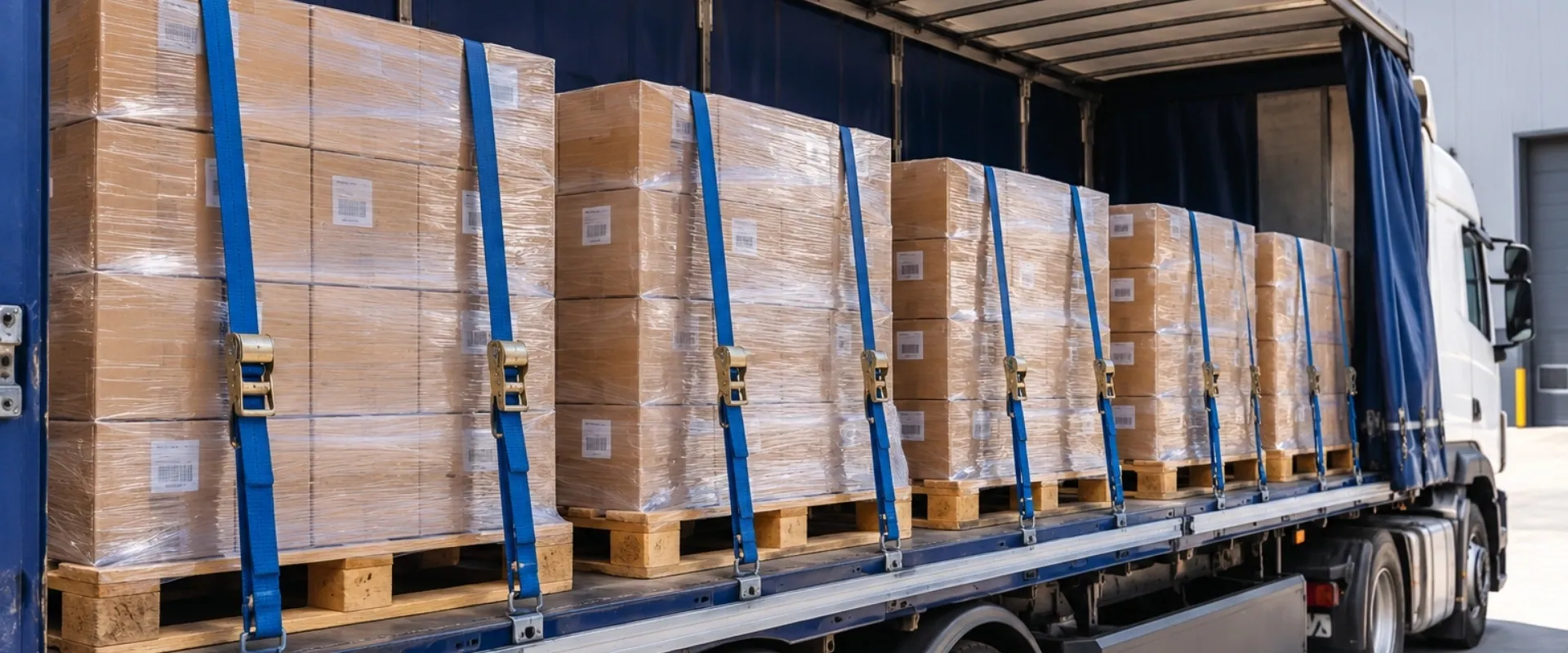
Domestic and Interstate Freight
For most domestic work, standard pallet size 1165 × 1165 mm are the practical choice. They are what carriers, depots and racking are set up and pooled pallets from providers such as CHEP and Loscam circulate widely. If the pallet is going to be handed to a customer and not returned, the plastic pallets vs wooden pallets cost gap rarely favours plastic.
Plastic makes sense on interstate lanes when you control the return loop, such as a dairy or beverage supplier running pallets back from the same distribution centres. If you use pooled pallets, check who is responsible for returning them and what happens to a pallet that gets stuck at the receiver.
International Shipping and ISPM 15 Requirements
Export and import change the equation. ISPM 15 is the international standard for solid wood packaging, and Australia has built its requirements into the Biosecurity Import Conditions (BICON) administered by the Department of Agriculture, Fisheries and Forestry. Timber pallets and dunnage must be treated and carry the ISPM 15 mark, and the stamp has to be clearly visible. Details are on the Department of Agriculture ISPM 15 page.
Plastic pallets are generally exempt because they are not wood, which removes treatment, stamping and the risk of a consignment being held for non-compliant timber. In the wooden pallets vs plastic pallets decision for export that compliance saving can offset plastic’s higher price, especially on regular container runs. Always confirm the current conditions for your destination country before you ship.
Warehousing and Distribution
Inside the four walls, hygiene and handling matter more than price. Plastic suits food, pharmaceutical and cold-chain storage where cleaning and contamination control are non-negotiable. Timber suits general warehousing, heavy racking and high-turnover cross-docking warehouse where pallets are cheap to replace.
Check racking ratings, forklift entry (two-way or four-way) and fire requirements before you standardise on either. A pallet that is fine on the floor can behave very differently on a beam.
How to Choose the Right Pallet for Your Business
Work through these questions before you commit to a pallet type. They will settle the plastic pallets vs wooden pallets debate for most operations faster than any spec sheet.
- Will the pallet come back? If not, timber almost always wins. If you run a closed loop, price plastic on cost per trip.
- What is freight? Food, pharmaceuticals and other hygiene-sensitive goods lean towards plastic. General stock, building products and bulk freight transport are fine on timber.
- Is it going overseas? Add ISPM 15 treatment and marking to the timber cost, then compare.
- What does your racking and automation need? Consistent plastic suits conveyors, check beam ratings for either type.
- How much does weight matter? If you are close to axle or air-freight weight limits, lighter plastic helps.
- Can your carrier and receivers handle it? Confirm that depots will accept your pallets and agree who handles returns.
Which Pallets Are Better for Freight Transport in Australia?
We move palletised freight on both, across metro, regional and interstate transport. Whichever you choose, the transport side stays the same, but a few things are worth knowing about how we handle it.
- Scheduled interstate line-haul. Fixed departure days between capitals, so you can plan dispatch around a known cut-off rather than hoping for capacity.
- Cubic conversion transparency. We will tell you upfront what your pallets convert to and where your height is costing you, rather than letting you discover it on an invoice.
- Load restraint done properly. Plastic pallets have lower surface friction than timber and need different restraint. Under Chain of Responsibility provisions in the Heavy Vehicle National Law, that duty is shared between consignor, loader and carrier, we treat it that way.
- Import and export pallet freight. Wharf and container freight station collection through to your warehouse, including freight arriving on Euro pallets from Europe.
- Consignment-level tracking and a named contact. So when something needs chasing, you are not starting from scratch with a call centre.
Conclusion: Plastic or Wooden Pallets – Which Should You Choose?
There is no universal winner. Timber is the sensible default for most Australian freight: cheap, standard, repairable and accepted everywhere. Plastic is the better tool for closed loops, hygiene-critical products and export lanes where ISPM 15 compliance adds cost and risk.
When you compare plastic pallets vs wooden pallets, judge them on cost per trip, hygiene needs and compliance, not just price. The wooden vs plastic pallets choice is easier once you know how many trips each pallet will actually make.