
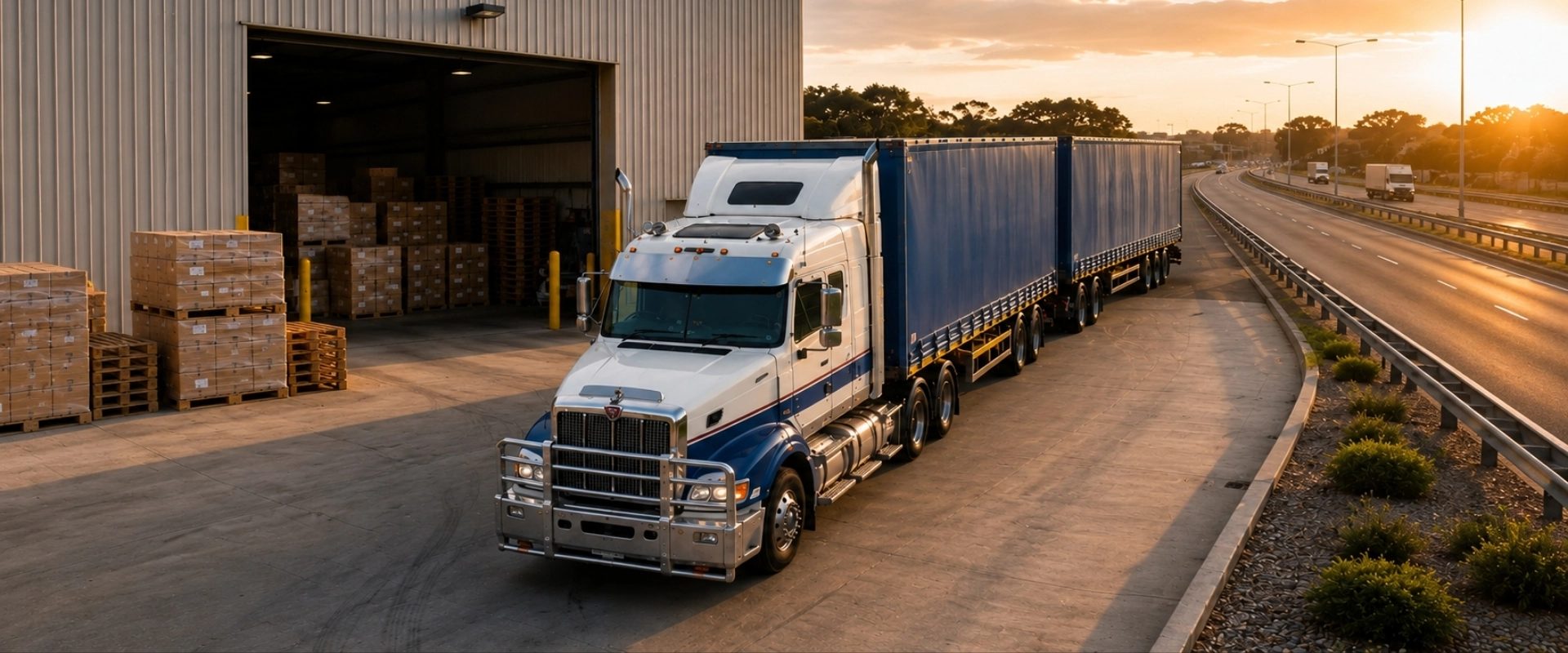
Your 1-Minute Guide to Bulk Freight Transport
Bulk freight transport is the movement of large, unpackaged quantities of goods such as grain, ore, fuel, cement or sand by road, rail or sea, using specialised vehicles or vessels instead of pallets or cartons. Here's the quick version:
Key Highlights:
- What it is: Moving loose or liquid bulk cargo in large volumes, not individual packages.
- How it works: Goods are loaded directly into bulk trailers, hoppers, tankers or bulk containers, transported via road, rail or sea, then unloaded at the destination.
- Who uses it: Mining, agriculture, construction, manufacturing and energy industries across Australia.
- Main benefit: Lower cost per tonne, faster loading/unloading and fewer handling touchpoints than packaged freight.
- Common modes: Road trains, B-doubles, rail wagons, bulk carriers and bulk shipping containers.
Introduction
Australia moves an extraordinary amount of freight every year, and bulk commodities make up a huge share of it. According to the Bureau of Infrastructure and Transport Research Economics (BITRE), Australia's domestic freight task reached an estimated 786 billion tonne kilometres in 2024–25, with rail carrying around 447 billion tonne kilometres and road accounting for roughly 253 billion tonne kilometres of that task. That scale of movement doesn't happen by accident, It relies on well-planned bulk freight transport.
Whether it's coal leaving a Queensland mine, wheat heading for a Victorian export terminal, or fuel being delivered to a regional depot, bulk cargo transportation keeps Australian industry running. In this guide, we break down what bulk freight transport actually means, how it works, the different types and container options available, and how to choose the right freight and bulk transport partner for your business.
What Is Bulk Freight Transport?
Bulk freight transport refers to the transport of large quantities of unpackaged goods such as solids, liquids or granular materials that are loaded directly into a vehicle, wagon, vessel or bulk container rather than being boxed, palletised or bagged individually. Think tonnes of wheat poured into a hopper trailer, thousands of litres of fuel pumped into a tanker, or shiploads of iron ore loaded straight into a bulk carrier's hold.
In short, bulk goods transport removes the need for individual packaging, which is exactly why it's the most cost-effective way to move high-volume, low-value-per-unit commodities such as grain, minerals, aggregates and liquids over long distances.
How Does Bulk Freight Transport Work?
Every bulk freight transport job follows a similar operational sequence, regardless of the commodity or mode used :
- Booking and planning: The freight provider assesses volume, weight, commodity type and any handling requirements (e.g. dangerous goods, temperature control) to select the right vehicle or vessel.
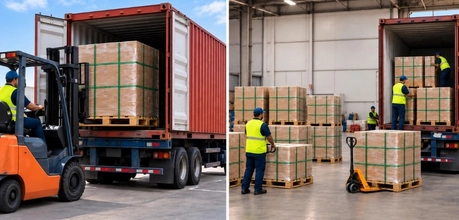
- Loading: Goods are loaded directly using augers, conveyors, pumps, cranes or gravity-fed hoppers far faster than manually loading individual cartons or pallets.
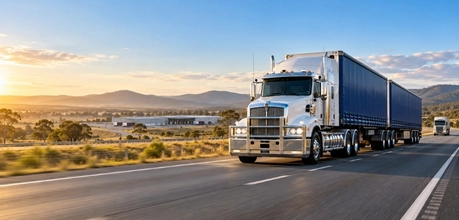
- Transit: Cargo moves by road (B-double, road train, tipper, tanker), rail wagon, or coastal/ocean vessel, often with constant tracking and weighbridge checks along the route.
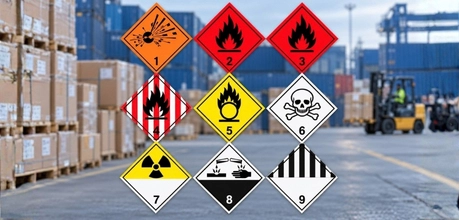
- Compliance checks: Mass limits, permits, dangerous goods documentation and biosecurity requirements are verified in line with National Heavy Vehicle Regulator (NHVR) rules.
- Unloading and delivery: cargo is discharged at the destination using matching equipment, then delivered to storage, processing or export facilities.
Types of Bulk Freight Transport
- There are four types of bulk freight, each suited to different commodities :
Dry bulk goods transport: Loose, unpackaged solids such as grain, coal, iron ore, cement, sand and fertiliser, moved via tippers, hopper trailers, rail wagons or bulk carriers. - Liquid bulk transport: Fuels, chemicals, milk, wine and water carried in road tankers, ISO tanks or tanker vessels.
- Break bulk transport: Oversized or irregular items like machinery, steel coils, timber loaded individually rather than in containers.
- Neo-bulk / containerised bulk: Bulk commodities packed into bags, drums or bulk shipping containers for easier intermodal handling.
What Goods Are Transported as Bulk Freight?
There are four types of bulk freight, each suited to different commodities :
- Agricultural commodities - grain, wheat, barley, cotton seed, wool, fertiliser and animal feed
- Mining and resources - iron ore, coal, bauxite, gypsum, lime and mineral sands
- Construction materials - sand, aggregate, cement, gravel and crushed rock
- Liquids - fuel, chemicals, molasses, milk and industrial liquids
- Manufacturing inputs - plastics pellets, wood shavings, cotton trash and rice hulls
Modes of Bulk Cargo Transportation
Bulk cargo transportation in Australia moves across four core modes, often in combination :
- Road: Ideal for regional and last-mile delivery, using tippers, tankers, walking floor trailers and side-tipper combinations.
- Rail: The most efficient mode for high-volume, long-distance freight such as coal and grain, moving the majority of Australia's tonne-kilometres.
- Sea: Bulk carriers and tankers handle Australia's export volumes, with millions of TEUs exchanged at major container terminals each year.
- Air: Used sparingly for bulk freight, reserved for urgent, high-value or time-critical shipments.
Industries That Rely on Bulk Freight Transport Solutions
- Mining & Resources: Moving coal, iron ore and mineral concentrates from site to port or processing facility.
- Agriculture: Transporting grain, fertilizer and stockfeed between farms, storage silos and export terminals.
- Construction: Delivering sand, aggregate, cement and steel to project sites across metro and regional Australia.
- Manufacturing: Supplying raw materials in bulk and distributing finished goods at scale.
- Energy & Fuel: Distributing fuel, gas and industrial chemicals to depots and regional distributors.
- Food & Beverage: Moving grain, sugar, edible oils and packaged bulk ingredients to processors.
Benefits of Bulk Freight Transport
- Cost efficiency at scale: Moving large volumes in a single shipment lowers the per-tonne cost compared to smaller, packaged loads.
- Reduced packaging and handling: Bulk goods transport cuts out packaging materials and manual handling steps.
- Faster loading and unloading: Purpose-built equipment like augers, pumps and grabs speeds up turnaround times.
- Lower environmental footprint per tonne: Fewer trips and less packaging waste reduce the overall carbon footprint of the shipment.
- Scalability: Bulk freight transport solutions can flex up or down as production volumes change.
Factors That Affect Bulk Freight Transport Costs
- Distance and route: Longer hauls and remote or regional routes typically cost more per tonne.
- Cargo weight and type: DG goods, oversized or temperature-sensitive cargo requires specialised (and pricier) handling.
- Transport mode: Rail and sea generally cost less per tonne over long distances like road offers speed and flexibility.
- Fuel prices: Fluctuating diesel prices directly affect road and rail freight and bulk transport rates.
- Seasonal time and availability: Harvest season and mining production cycles can push up demand for bulk transport capacity.
- Handling equipment and compliance: Specialised loading equipment, permits and dangerous goods compliance all add to the final cost.
How to Choose the Right Bulk Freight Transport Solutions
Choosing the right bulk freight transport partner comes down to five factors :
- A fleet and equipment range matched to your specific cargo (tippers, tankers, bulk containers, flat racks)
- Proven experience in your industry, whether that's mining, agriculture or construction
- constant tracking and clear communication throughout transit
- Compliance with dangerous goods, biosecurity and mass-limit regulations
- Transparent, itemised pricing with no hidden handling fees

How Alpha Trucking Delivers Bulk Freight Transport Solutions
Alpha Trucking provides end-to-end bulk freight transport across Australia. From dry bulk haulage for mining and agriculture to specialised tanker and container transport services for liquid and Dangerous goods, our team matches the right vehicle, container and route to every job.
We handle compliance, scheduling and constant tracking so you can focus on your business, not the logistics. Whether you need a single load moved regionally or an ongoing bulk goods transport contract, Alpha Trucking scales to fit.
Conclusion
Bulk freight transport is the engine behind Australia's mining, agriculture, construction and manufacturing sectors, moving enormous volumes of goods efficiently across road, rail, sea and air. Understanding the different types, container options and cost drivers puts you in a stronger position to choose the right freight and bulk transport partner for your business.