
The freight brokerage industry is changing quickly as new technology, smarter tools, and modern logistics demands reshape the way brokers work. The rise of the digital freight brokerage market, stronger automation, and advanced data systems is creating a future where freight operations are faster, more transparent, and more efficient. Over the next decade, tools like freight and logistics software, AI, and advanced freight protection technology will play a major role in how brokers manage shipments, support customers, and compete in the market.
These improvements are not just upgrades, they are shaping the entire future of the freight forwarding industry. As freight technology continues to evolve, businesses will gain more control, more visibility, and more cost-effective transport options across the supply chain.
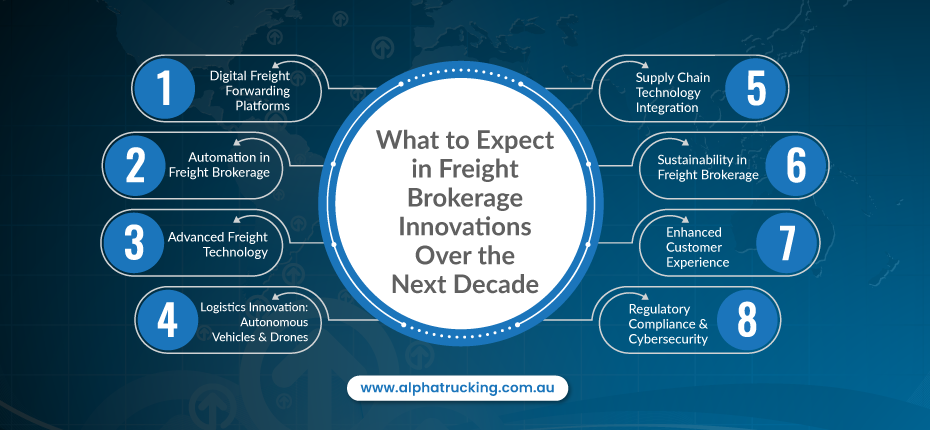
1. Online Freight Forwarding Platforms
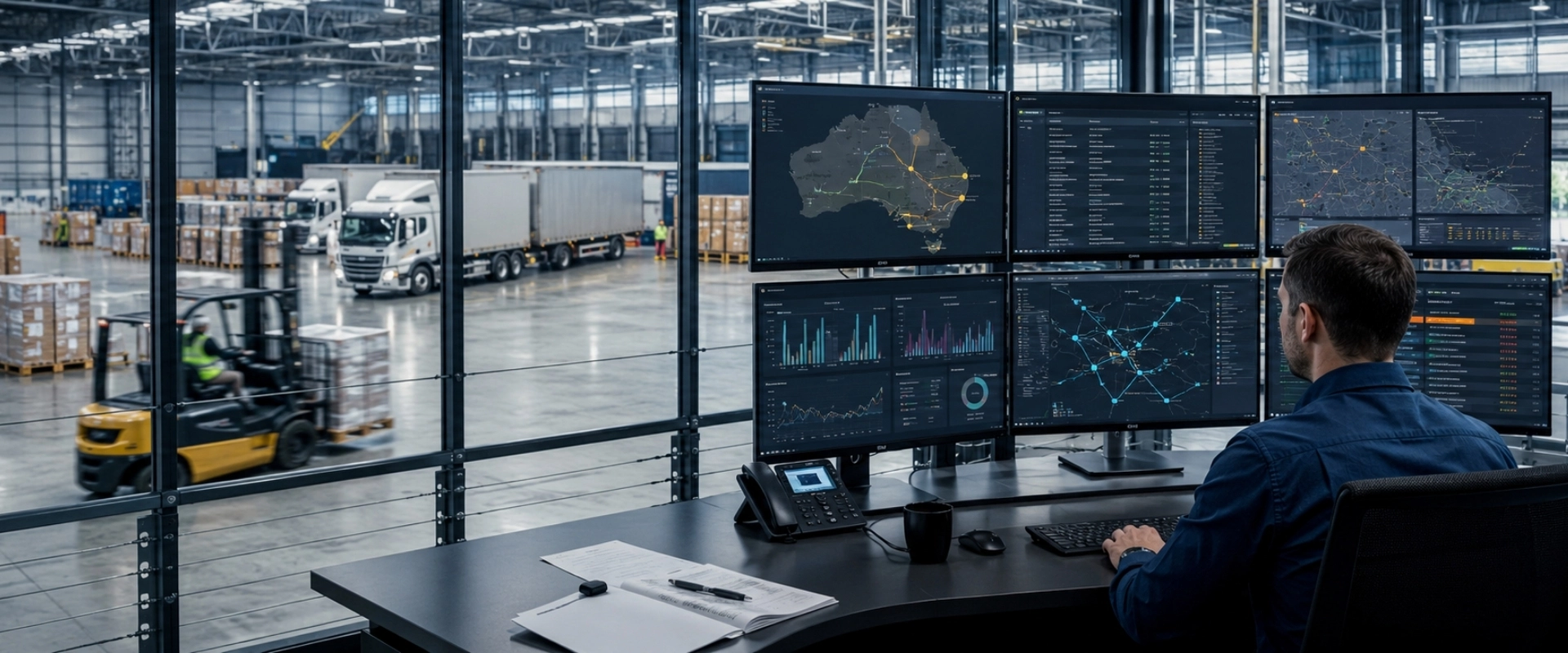
Modern online freight platforms are replacing old, manual systems. These platforms use powerful freight and logistics software to simplify quoting and documentation.Shippers and carriers can communicate faster, manage shipments from one dashboard, and avoid errors caused by paperwork.
These digital tools are often highlighted in many freight broker blogs because they create a smoother experience for everyone and support the growth of the digital freight brokerage market.
With digital systems becoming the new standard, Alpha Trucking continues to enhance its freight forwarding capabilities to support smoother, smarter logistics operations.
2. Freight Automation
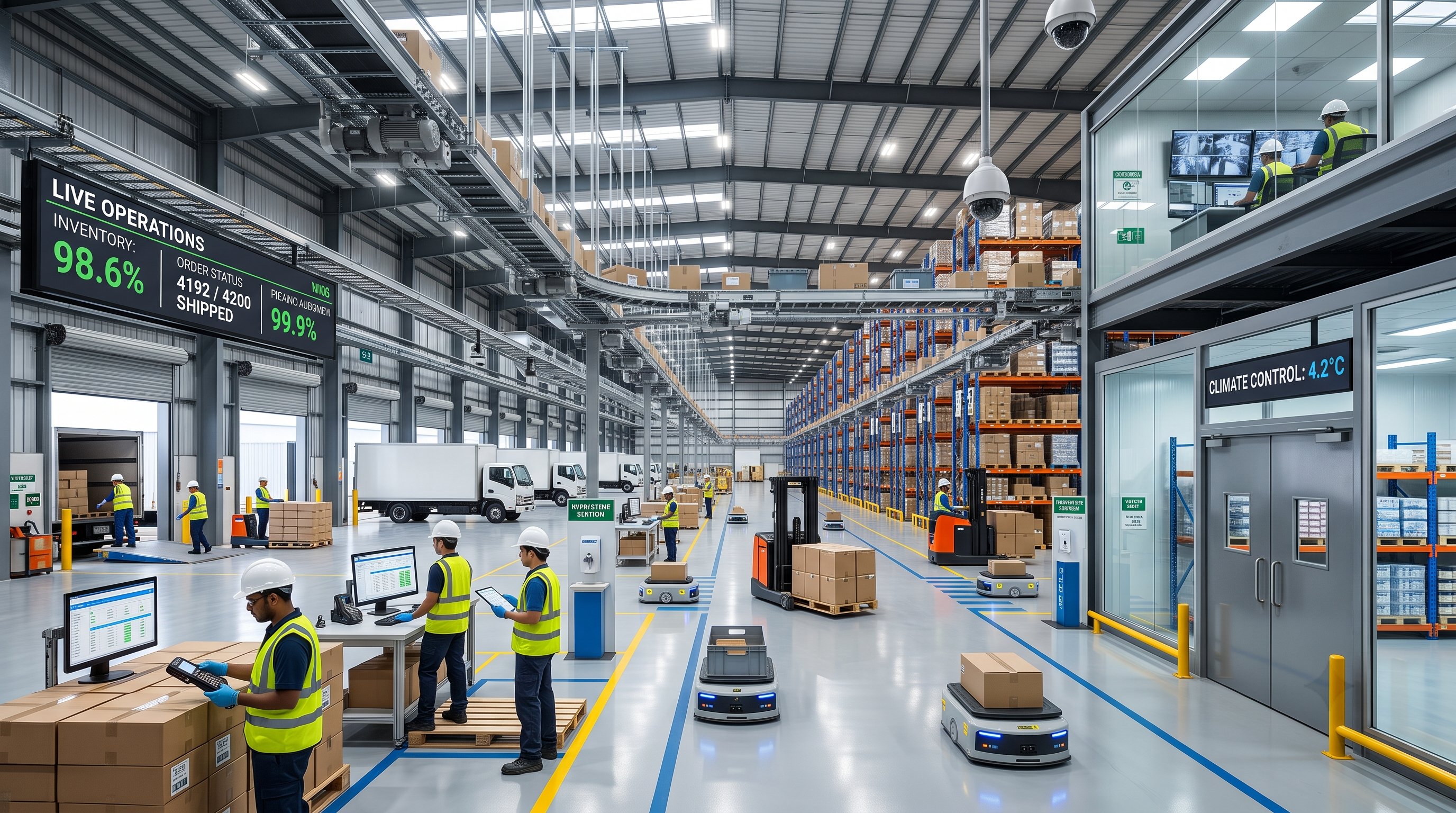
Automation is becoming a key part of the future of freight brokerage. AI and machine learning help brokers plan better routes, match loads faster, and choose pricing more accurately.
Automation tools can also review freight data, predict busy periods, and recommend the best transport options.
Robotic process automation (RPA) reduces manual work by handling tasks like data entry, invoicing, and document checks. This allows brokers to spend more time on customer service and business growth, improving their position in the freight brokerage market.
3. Logistics Innovation
Innovations like electric trucks, autonomous vehicles, and drones are changing how freight is moved.
Self-driving trucks have the potential to lower labor costs and increase long-distance transport efficiency. Drones are being tested for last-mile deliveries, especially in crowded or hard-to-reach areas.
These solutions support the overall future of the freight forwarding industry by reducing delays and making deliveries faster and more dependable.
4. Sustainability Initiatives
Environmental concerns are influencing how freight companies operate. Brokers are using electric vehicles, optimising load capacity, and planning smarter routes to reduce emissions. Digital tools help cut fuel waste by choosing the most efficient paths.
These sustainable steps not only help the environment but also align with the growing demand for greener, more responsible logistics practices in the future of freight.
5. Enhanced Customer Experience
Customers expect quicker updates, more transparency, and accurate delivery information.
Digital platforms now offer automated notifications, and faster response times.
With data analytics, brokers can understand customer preferences and offer personalised solutions.
This stronger customer experience helps brokers build trust and long-term relationships within the freight brokerage industry.
6. Regulatory Compliance and Cybersecurity
As brokers rely more on digital tools, they must also strengthen their cybersecurity systems.
Secure platforms, encryption, and regular compliance checks help protect sensitive data.
Staying updated with regulations ensures brokers meet industry standards and keep their operations safe.

Conclusion
The next decade will bring major changes to freight brokerage. Digital tools, automation, and advanced freight logistics will continue to shape the future of freight and create new opportunities for growth.
Brokers who adopt modern technologies, focus on sustainability, and improve customer service will be better prepared to compete in the fast-growing digital freight brokerage market.
By embracing innovation and staying adaptable, the freight brokerage industry can build a stronger, more efficient, and more resilient future.