
Quick Summary:
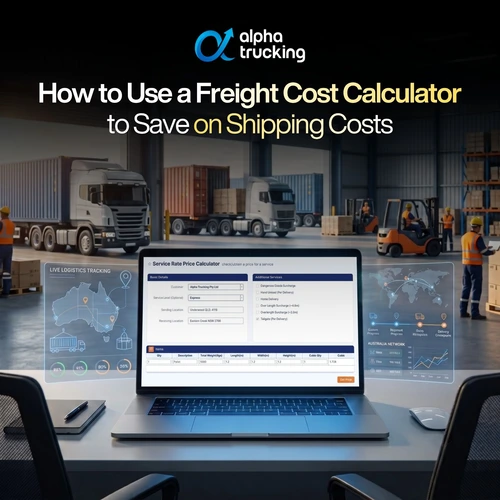
Working out freight costs used to mean ringing around for quotes and hoping for the best. Today, an online tool can do the hard work for you instantly estimating shipping costs based on weight, dimensions, distance, freight type and delivery speed. In this guide, you'll learn how freight cost calculators work, what affects freight shipping costs in Australia, and practical strategies to estimate and reduce your shipping expenses.
Introduction
Australia's freight task isn't slowing down. According to the Australian Government's National Freight Data Hub, Australia's domestic freight task is projected to grow by 26%, increasing from 765 to 964 billion tonne-kilometres between 2019-20 and 2049-50. That's a lot more trucks, ships, trains and planes competing for capacity on Australian routes, which means more variability in pricing and a bigger risk of overpaying if you're not comparing your options properly.
That's exactly why a reliable freight calculator australia businesses can trust has become essential. Instead of waiting on hold for a manual quote, you can enter your shipment details online and get an accurate freight estimate cost back in seconds. In this guide, we'll show you how to use this kind of tool effectively, what really drives freight prices in Australia, and how to turn that information into genuine savings on shipping costs.
What Is a Freight Cost Calculator?
A freight cost calculator is an online tool that estimates how much it will cost to move goods from one point to another, based on details such as weight, dimensions, distance and freight type. Think of it as a cargo freight calculator that does the maths for you instead of manually working out rates per kilogram, per cubic metre and per kilometre, you simply enter your shipment details and the tool returns an estimate.
Most freight prices calculator tools used by Australian carriers and freight brokers pull from live rate data, meaning the estimate reflects current fuel costs, route demand and carrier availability, not an outdated price list from last year.
How Does a Freight Cost Calculator Work?
A freight cost estimator combines a handful of key inputs to generate your quote. Here's what most Australian tools ask you for:
i. Shipment Weight and Dimensions
Your shipment's actual weight in kilograms, plus its length, width and height. These measurements are used to work out volumetric (cubic) weight carriers charge based on whichever is greater, actual or cubic weight.
ii. Pickup and Delivery Locations
Your pickup and delivery postcodes determine the distance your freight needs to travel, and whether it's heading to a metro, regional or remote address all of which affect the final price.
iii. Freight Type and Mode of Transport
Whether you're sending palletised general freight, a single parcel delivery, pallet transport, container transport, dangerous goods or an oversized load changes the rate that applies, along with the type of vehicle required.
iv. Delivery Time Requirement
Standard, express and same-day delivery all carry different price points. The faster you need your freight to arrive, the more it typically costs.
v. Fuel Surcharges and Additional Fees
Most calculators automatically factor in current fuel levies, tolls and standard handling fees, so the number you see is much closer to your final invoice, not just a bare-bones base rate.
Key Factors That Affect Freight Shipping Costs
Beyond the calculator inputs themselves, a handful of underlying factors drive what you'll actually pay for freight in Australia.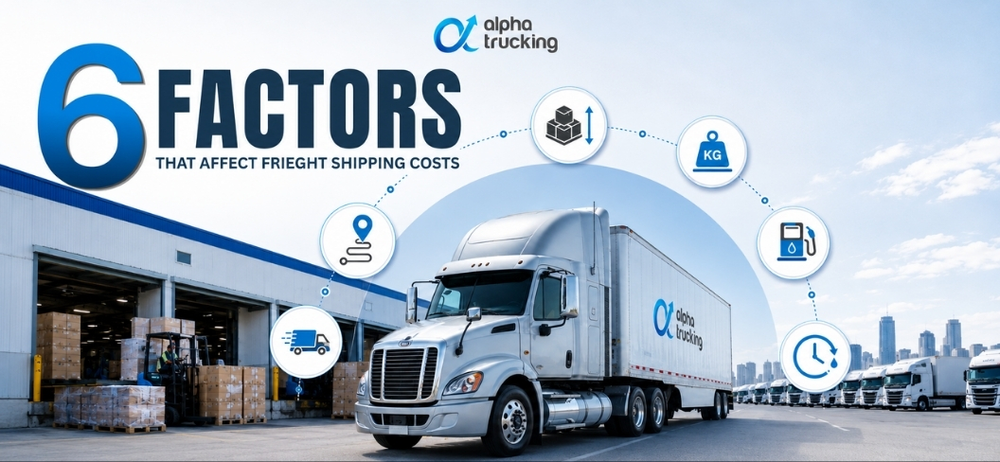
1. Distance and Delivery Zones
Longer transport distances and deliveries to regional or remote areas generally cost more due to increased travel time, fuel usage, and limited carrier availability.
2. Volumetric (Cubic) Weight
Most carriers charge based on either actual weight or cubic weight, whichever is greater. Large, lightweight shipments often cost more than compact, heavier freight.
3. Freight Classification & Handling Requirements
Freight classification, including hazardous goods (DG), oversized, fragile, or high-value freight, directly affects shipping costs. Special handling, protective packaging, regulatory compliance, and specialised equipment may be required, resulting in higher freight charges.
4. Mode of Transportation
The shipping method road, air, rail, or sea freight directly affects pricing. Air freight is typically the fastest and most expensive, while road freight is the most common option for domestic Australian deliveries.
5. Accessorial Charges
Extra services like tail-lift delivery, residential delivery, forklift assistance, inside delivery, waiting time, or limited access locations can increase the total freight cost.
6. Seasonal Demand and Fuel Costs
Freight rates can fluctuate due to seasonal demand, carrier capacity, and fuel surcharges, especially during peak shipping periods.

How a Freight Cost Calculator Helps Businesses Save on Shipping Costs
Beyond convenience, using this kind of tool regularly can genuinely improve your bottom line.
a. Improves Budget Planning
Accurate, upfront freight estimate cost figures make it easier to forecast logistics spend and set realistic delivery fees for your customers.
b. Prevents Unexpected Freight Charges
Knowing likely accessorial and surcharge costs upfront means far fewer surprises on your final invoice.
c. Helps Compare Freight Options
Running the same shipment details through a calculator lets you compare freight quotes across services and transit times, so you can weigh up cost against speed.
d. Supports Better Supply Chain Decisions
Consistent, reliable cost data helps you choose the right carriers, routes and freight types for your business over the long term, not just for a single shipment.
e. Reduces Manual Estimation Errors
Manual freight calculations are prone to human error. An automated freight charges calculator removes most of the guesswork from the equation.
Tips to Reduce Freight Costs Before Booking
Once you understand how freight pricing works, there's plenty you can do to bring the cost down before you book.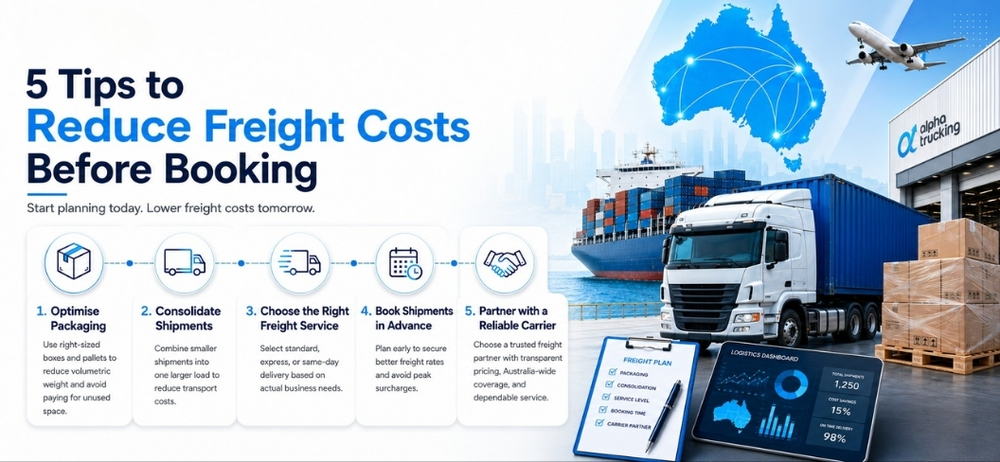
1. Optimize Packaging
Right-sized boxes and pallets reduce volumetric weight and stop you paying for empty space.
2. Consolidate Shipments
Combining multiple smaller shipments into a single load is one of the simplest ways to cut your overall freight bill.
3. Choose the Right Freight Service
Not every shipment needs express delivery. Matching the service level to your actual deadline can save a significant amount.
4. Schedule Shipments Strategically
Booking ahead of time and avoiding peak periods where possible helps you dodge last-minute surcharges.
5. Partner with a Reliable Freight Provider
A trusted provider with transparent pricing and strong route coverage like Alpha Trucking helps you avoid hidden fees and delays.
Common Mistakes to Avoid When Estimating Freight Costs
Avoid common estimating errors to ensure accurate freight quotes and prevent unexpected shipping costs
- Entering Incorrect Shipment Details: Even small errors in weight or dimensions can throw your estimate off significantly. Always double-check before submitting.
- Ignoring Volumetric Weight: Many first-time shippers only consider actual weight and are caught out when cubic weight ends up applying instead.
- Overlooking Additional Charges: Forgetting to factor in fuel levies, tolls or accessorial fees can mean your estimate looks cheaper than your final invoice.
- Choosing the Wrong Transport Option: Picking the cheapest option without checking transit time or service reliability can cost you more in delays or redelivery fees down the track.
Why Choose Alpha Trucking for Cost-Effective Freight Solutions?
At Alpha Trucking, we make freight pricing simple, transparent, and tailored to your business needs. Whether you're shipping a single pallet or managing regular interstate freight transport, our experienced team provides accurate, obligation-free quotes based on your shipment's size, destination, freight type, and delivery requirements helping you avoid unexpected costs and make informed shipping decisions.
With Alpha Trucking, you get transparent, upfront pricing with no hidden surcharges, coverage across metro, regional and remote Australian routes, a full range of freight options (general freight, palletised, 3PL warehousing services, International shipping and oversized) and a local team who can talk you through your quote not just a chatbot.
Conclusion
A freight cost calculator takes the guesswork out of shipping in Australia. Whether you're a business shipping pallets interstate or an online seller sending parcels, a freight prices calculator takes the guesswork out of budgeting, helping you compare options, avoid unexpected fees, and book with confidence. Ready to see it in action? Get an accurate freight estimate of Australia in minutes. Contact Alpha Trucking Now.