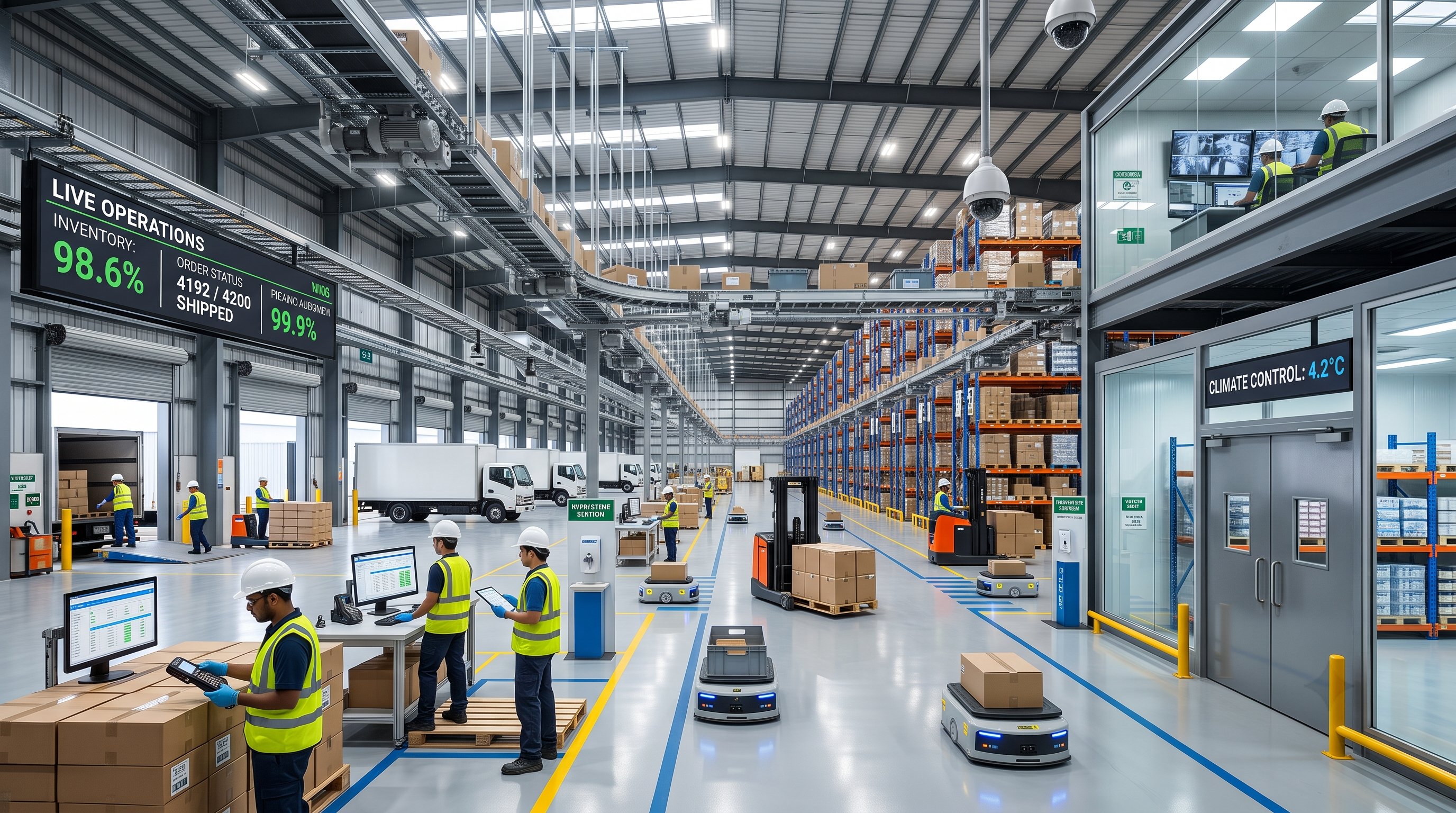

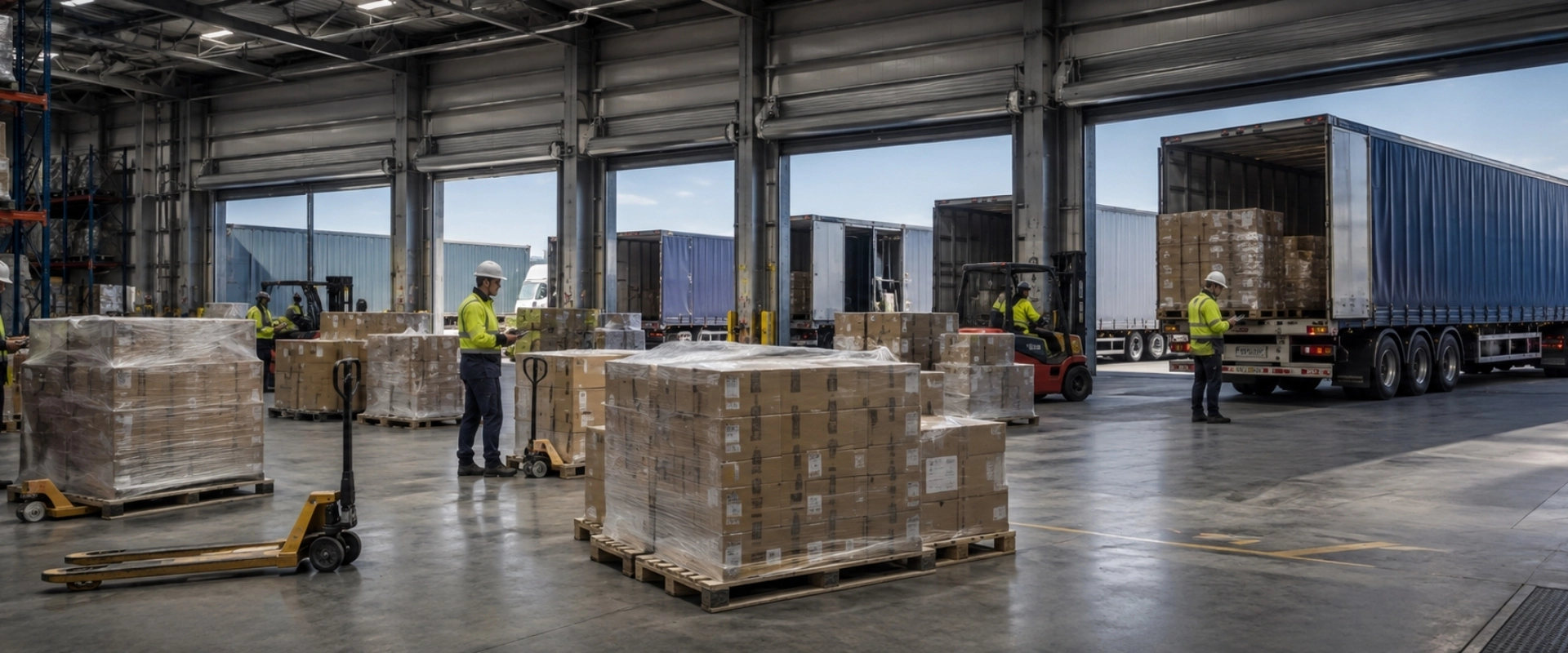
Australia is a big country, and the transportation takes a lot of time and effort. Domestic freight services in Australia face many challenges in completing freight transport. But the transportation partners, like Alpha Trucking, have an excellent track record of delivering goods on time and safely to their destination.
Local freight delivery in Australia is difficult, but it can be done.
Understanding Domestic Freight in Australia
What is Domestic Freight?
Domestic freight is the transportation of pallets within a country's borders, avoiding transport beyond the customer's borders.
City-to-city domestic freight differs from regional or last-mile deliveries, as it involves transportation between cities and regions, from warehouses to local depots for delivery by delivery partners. But in previous last-mile and regional deliveries, the pallet is collected from the warehouse and delivered directly to the customer's doorstep.
Domestic Freight Services in Australia have developed many ways to deliver pallets on time to their destinations. The correct route for transporting the freight needs to be determined to avoid delays, ensure reliability, and minimise additional expenditure.
Key City-to-City Freight Routes

With the recent developments, the freight routes have also advanced. Transportation routes such as roads, sea, and rail are used to transport goods. Domestic trucking companies use the best routes every time to meet the delivery requirements and timelines. The domestic trucking companies include the following freight routes:
- Adelaide to Sydney
- Canberra to Sydney
- Melbourne to Sydney
- Melbourne to Adelaide
- Sydney to Adelaide
- Adelaide to Melbourne
- Sydney to Melbourne
- Sydney to Brisbane
- Melbourne to Brisbane
- Gold Coast to Brisbane
These were the routes generally taken by transportation companies. The interstate freight transfer is significant because it connects major population centres in Australia. These routes are typically longer, but they can be covered by multimodal transport, including road, rail, and sea.
The longer routes are sometimes busier, as the cities are large hubs with heavy traffic and are not very feasible for road transport. Transport routes like Sydney to Melbourne and Brisbane to Adelaide are among the longest in Australia. But transport is managed using the best routes through proper planning, ensuring efficiency and fewer time delays.
The shorter routes take less time and are relatively easy to manage. These routes connect major hubs to the metropolitan cities. The best means of transport are the road routes themselves, as the distance is short and can be easily covered by road.
You can check out the blog - Domestic Freight by Road vs Rail vs Air: Which is Best?. You can figure out which routes are best for what purposes.
Modes of Transport Used in City-to-City Freight
Road, rail, and sea are the modes of transport used by most transportation organisations. One of these routes, or a combination of routes, is used to deliver the goods on time.
Road Transport
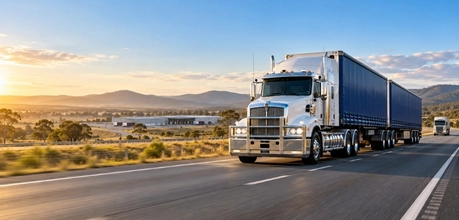
- Road transport is one of the most widely used modes of transport, as Australia has better road connectivity than other modes. You can find specialised transport vehicles, including refrigerated units for perishables, and reinforced transport means for heavy-duty goods. Roads are more feasible for meeting transportation requirements.
- With the need for time, the transport means are improving through eco-friendly practices such as cleaner fuels, more efficient engines, and reduced emissions.
- The routes are improving, and the entire transportation system is evolving with advanced routing mechanisms that suggest shorter routes, less fuel use, and quicker deliveries.
- Use of recyclable and reusable materials in packaging reduces waste.
- Along with these, the transport vehicles are better suited to urban streets and rugged outbacks, and are driven by experienced drivers who can better handle weather conditions.
To get to know about the road transport routes used by transport companies like Alpha Trucking, you can visit the Road Freight Services page.
Rail Transport
- Rail Transport is a better option for transportation, consuming less fuel and causing less pollution, thereby contributing to a greener Australia.
- The capacity of the rail transport route is also higher than that of other modes, as it can handle larger freight volumes.
- Trains have a lower accident rate than road transport.
- Transportation efficiency increases because trains don't have to deal with traffic and aren't delayed in delivering pallets.
- Rail connectivity in Australia is also good, as no location is too far from a train station.
- With the container rail, businesses can customise domestic freight, regardless of size, precisely meeting the needs of all customers.
- Using rail transport can reduce carbon emissions, making it a productive mode that benefits both the business and the environment.
Sea Transport
- One of the best uses of sea transport is its ability to handle a wide range of freight, from small to large.
- Sea transport is also economical, as we can transport a large volume of freight at once.
- The Sea route emphasises global sustainability, as modern maritime rules support eco-friendly practices.
- Sea transport also offers diverse container options, specialises in cargo handling, and ensures the safety of the freight.
- Ships are evolving towards more sustainable methods that emit fewer pollutants.
- Scientists are researching ways to use solar and wind energy to power ships, reducing dependence on traditional fuels.
- There are various ways to handle waste and prevent it from entering the ocean, protecting it and keeping it clean.
- Cleaner fuels are now used, such as LNG (Liquefied Natural Gas), instead of traditional, readily available fuels, which increase pollution levels.
Challenges in City-to-City Domestic Freight
Though Australia has become an advanced country in the transport industry, there are still a few challenges that every domestic freight company faces, listed below:
- The distances to be covered are huge, and Australia's geography makes meeting all freight requirements challenging.
- Traffic has been a major challenge in the freight industry. The cities have heavy traffic and need more crossings, which is a challenging phase given limited delivery times.
- The weather is not constant across Australia, which is a problem, as transport can be challenging when facing different weather conditions in other areas during a single freight delivery.
- The peak seasons see high transport demand, making it challenging to meet requirements under the rules and regulations governing local freight delivery in Australia.
- Meeting the delivery timeline, ensuring freight safety, and adopting sustainable methods simultaneously can be challenging.
Read the blog - Managing Freight Risk During Transit: Tips from the Experts at Alpha Trucking to understand the tips and tricks to minimise the risks.
Future of Domestic Freight Routes in Australia
The future of domestic freight routes in Australia is bright, as all the following changes are slowly being adopted:
- Electric trucks, autonomous vehicles, and the expansion of rail connectivity in Australia are significant additions to existing freight transport mechanisms.
- Opting for the more innovative techniques in logistics to reduce the workforce, reduce mistakes, and improve efficiency.
- The logistics department can improve by adopting more efficient freight-handling methods.
The domestic freight routes have improved significantly and continue to improve. But route availability is a very feasible way to transport freight. In the near future, with the most efficient software technologies, the adoption of green methods, and the proper use of vehicles, this can be a perfect addition to existing freight mechanisms.
Choose Alpha Trucking for your next freight delivery.