LTL vs FTL: The Quick Answer
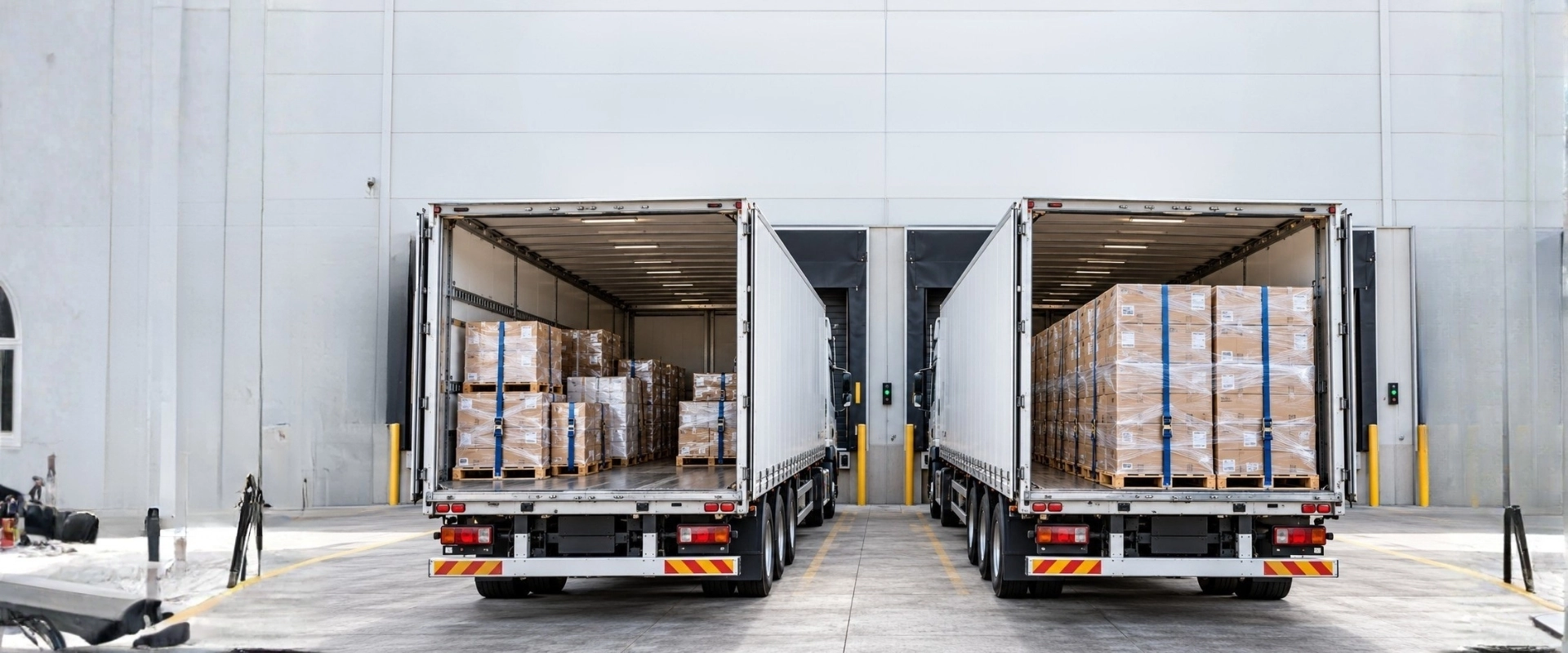
LTL stands for less-than-truckload. Your freight shares a trailer with other businesses’ consignments, and you pay only for the space you occupy. FTL stands for full truckload. You book the entire vehicle for your goods alone, and it travels directly from your dock to the destination without stopping at a depot.
The short answer for Australian shippers: below roughly 6 pallets, LTL is almost always cheaper. Between 6 and 12 it depends on your lane, your freight density and how much of a hurry you are in. Above roughly 12 to 16 pallets, FTL usually wins on price as well as speed, and by 18 to 22 pallets it is rarely close. FTL is faster, involves far less handling and carries a much lower damage risk. LTL is cheaper for small consignments and lets you ship more often without holding stock.
Introduction
Australia’s freight task is forecast to keep growing substantially over the coming decades, according to the Australian Government’s National Freight and Supply Chain Strategy. More freight on the same corridors means tighter capacity and firmer rates and it means the decisions businesses make about how they book freight matter more than they used to.
The LTL vs FTL question is one most Australian businesses answer once, early on, and then never revisit. That is understandable. It is also where a surprising amount of money quietly leaks out, because the right answer changes as your volumes grow, as your lanes settle into patterns, and as the rate market moves.
This guide covers what each option actually is, where the crossover point sits in Australian conditions, and how transit time and damage risk should factor into the decision alongside price. It also covers the middle option most comparison articles leave out entirely.
What Is LTL Freight?
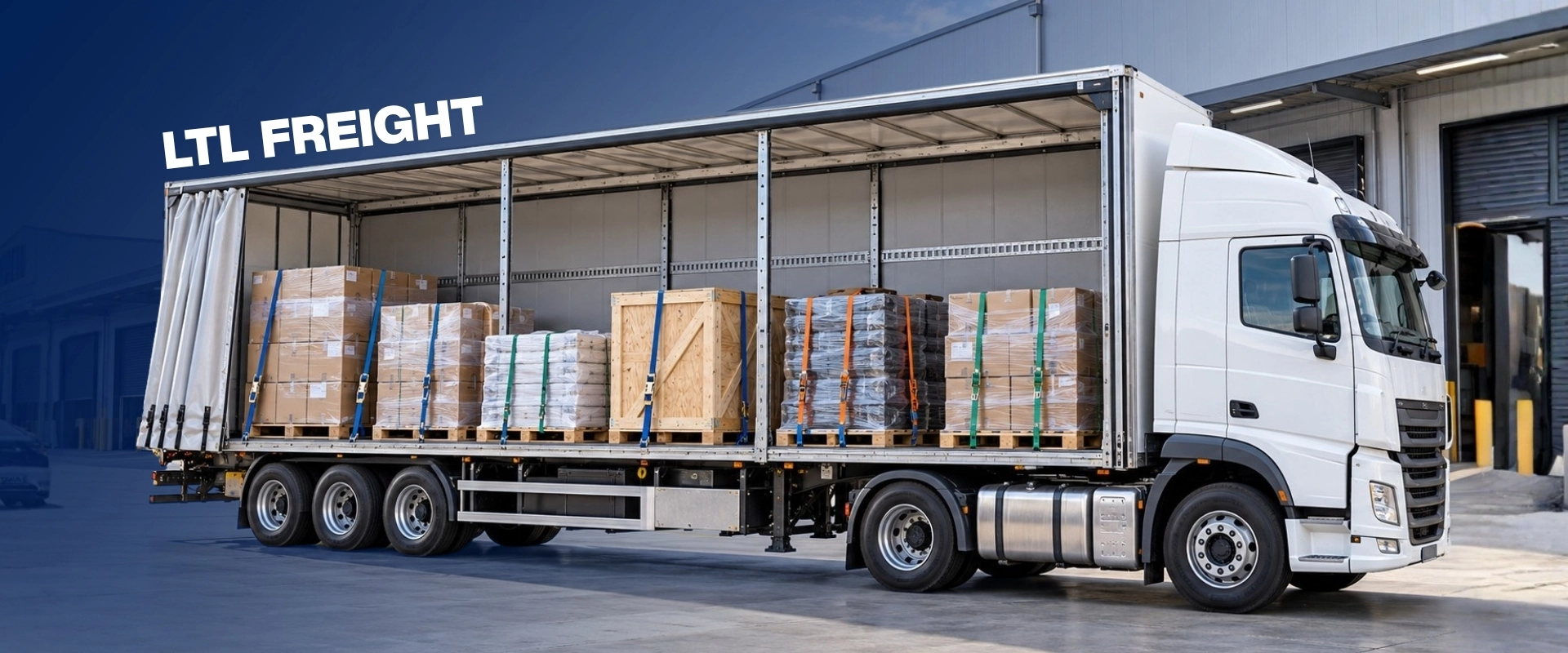
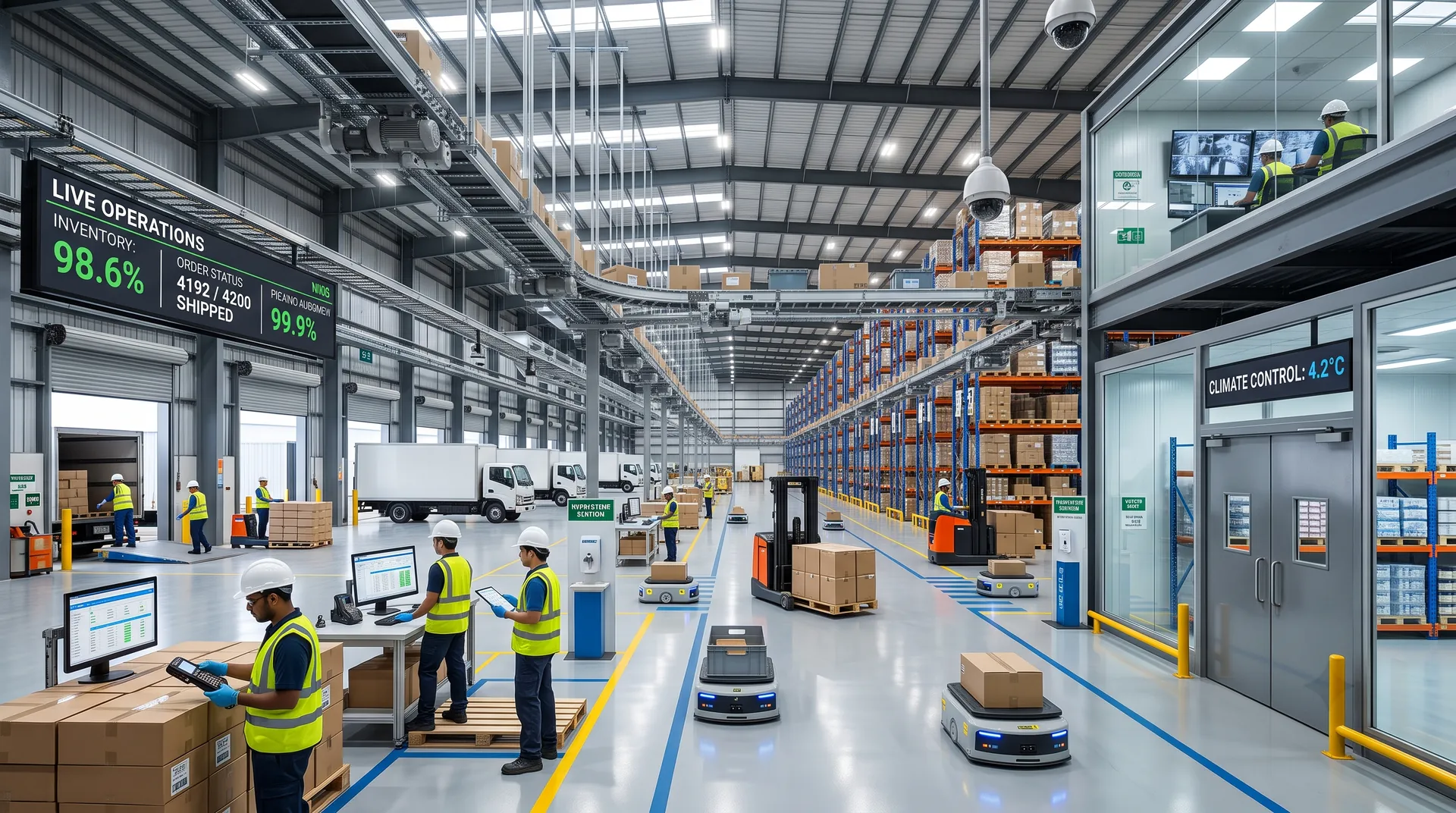
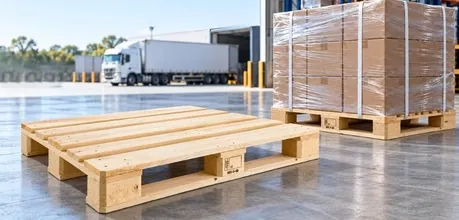
LTL freight (less-than-truckload freight) is what happens when your shipment doesn’t need a whole trailer to itself. Your pallets travel alongside freight from other businesses, consolidated at a depot and sorted by destination before the truck departs. You’re billed for the weight and cubic space your consignment actually occupies, not for the trailer as a whole.
LTL suits businesses moving anywhere from one pallet up to around eight or nine, on a semi-regular basis, where the freight isn’t so time-critical that a same-day dedicated delivery is required. Because the truck makes multiple stops to pick up and drop off other shippers’ freight, transit times run longer and the freight is handled more times along the way but the price per pallet is lower than booking a dedicated vehicle.
What Is FTL Freight?
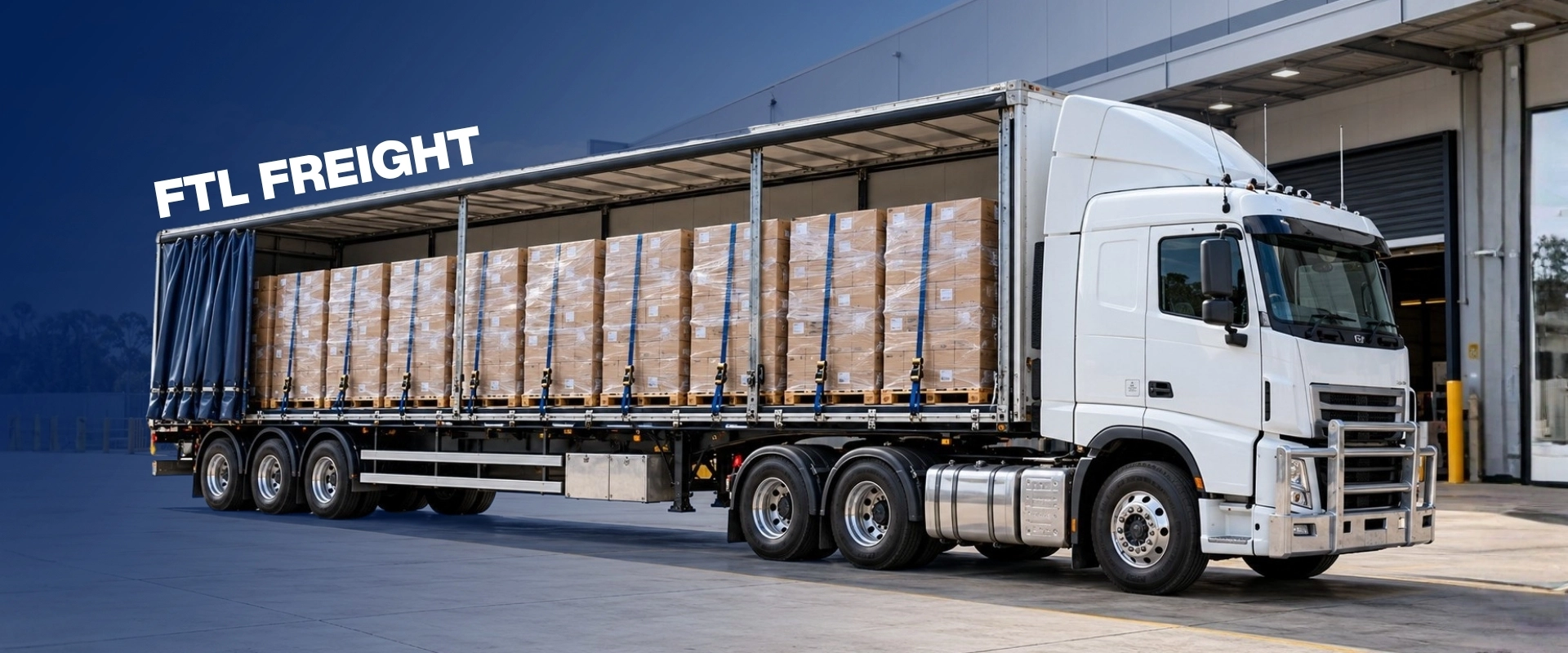
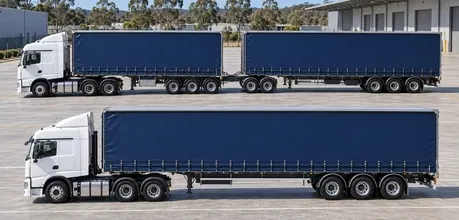
FTL freight (full truckload freight) means your business books the entire trailer, and nothing else goes on it. The truck typically travels directly from your pickup point to the delivery address, with no consolidation stops and no other shippers’ freight mixed in with yours.
You pay for the whole vehicle, so if you’re only filling six of twenty-two pallet spaces, you’re still paying the full-trailer rate. In exchange, you get a fixed departure and arrival window, minimal handling between pickup and delivery, and full control over how and when your freight moves. FTL is the standard choice once volumes are large enough, or the freight is sensitive, urgent or high-value enough, that shared trailer space introduces more risk than it saves in cost.
LTL vs FTL at a Glance
Here’s how LTL and FTL stack up side by side across the factors that actually affect your freight cost and delivery outcome.
|
Factor |
LTL (Less-Than-Truckload) |
FTL (Full Truckload) |
|
What you buy |
Space on a shared trailer |
The entire vehicle |
|
Pricing basis |
Cubic conversion, greater of actual or cubic weight |
Flat rate per lane, regardless of fill |
|
Typical size |
1-6 pallets |
12-22+ pallets |
|
Depot handling |
Yes, sorted at origin and destination |
None, direct dock to dock |
|
Handling points |
Typically 4-6 |
Typically 2 |
|
Transit time |
Slower depot sorting and multi-drop runs |
Faster direct, often same or next day |
|
Damage risk |
Higher more touchpoints, shared space |
Lower loaded once, unloaded once |
|
Schedule |
Fixed departures and cut-offs |
Departs when you are ready |
|
Flexibility |
Ship little and often |
Fewer, larger movements |
|
Best for |
Small, regular consignments on established lanes |
Volume, urgency, fragile or high-value freight |
When Does FTL Become Cheaper Than LTL?
This is the question most people actually arrive with, so here is a direct answer followed by the honest caveats.
The mechanism is straightforward. LTL cost rises with every pallet you add, because you are buying space by the cubic metre. FTL cost is flat. It is the same whether you load 12 pallets or 22. At some point the two lines cross.
On most Australian interstate lanes, that crossover sits somewhere between 12 and 16 pallets. Below 6 pallets, LTL is almost always cheaper. Between 6 and 12 it genuinely depends. Above 18 to 22 pallets, FTL is rarely close.
What shifts the crossover point
- Freight density: Light bulk freight hits the cubic conversion hard and pushes you toward FTL sooner. Dense freight stays economical on LTL for longer.
- Lane length: On long corridors such as Melbourne to Perth, line-haul dominates the cost structure and the crossover arrives earlier.
- Market conditions: When capacity tightens around Christmas or end of financial year, FTL rates firm and the crossover moves up.
- Backload availability: An FTL rate on a lane where the carrier can fill the return leg is materially cheaper than one where the truck comes back empty. This is why Sydney to Melbourne and Melbourne to Sydney can be priced differently in the same week.
- Ancillary charges: LTL invoices carry per-consignment minimums, depot handling, tail-lift and futile pickup fees. Add them up before comparing.
FTL vs LTL: Transit Time and Delivery Speed
FTL is faster and the reason is structural rather than driving speed. Both options travel the same roads at the same legal limits.
An FTL consignment loads at your dock and goes direct. Nothing is sorted, nothing waits for a cut-off, and no other customers’ deliveries sit ahead of yours in the run sequence.
An LTL consignment is collected during the day, returned to a depot, sorted, held until the scheduled departure, line-hauled overnight, unloaded and re-sorted at the destination depot, then loaded onto a local delivery run where it may be the twelfth drop of fourteen.
On an equivalent lane, that typically adds one to three days. The most important consequence is one business consistently underestimates. Your transit clock starts at the scheduled departure, not at collection. A consignment collected Tuesday for a Thursday departure is a Thursday shipment, no matter what the pickup docket says.
FTL also gives you something LTL structurally cannot control of the departure time. If your production run finishes at 4pm, an FTL vehicle can load at 4pm. An LTL service leaves when it leaves.
LTL vs FTL: Handling, Damage and Freight Protection
Every time freight is loaded, unloaded or moved between vehicles, there’s a chance of damage, a forklift tine catches a corner, a pallet gets restacked awkwardly, or paperwork gets separated from the load. LTL freight is handled more times by definition, because it passes through at least one consolidation depot and shares trailer space with other consignments that are loaded and unloaded around it.
FTL freight is loaded once and unloaded once. There’s no other shipper’s freight shifting against yours in transit, and because the vehicle usually goes straight from pickup to delivery, there are fewer opportunities for a consignment to be misrouted or delayed at a depot.
That doesn’t make LTL unsafe reputable carriers scan, weigh and photograph freight at every touchpoint specifically to manage this risk, but if you’re shipping fragile, high-value or irregularly shaped freight, the lower handling count of FTL is a genuine point in its favour, not just a marketing line.
FTL vs LTL: Which Is Right for Your Business?
Work through these questions honestly before you commit to either option:
When Should You Choose LTL Freight?
- You are shipping one to six pallets and can work to a departure cut-off
- You ship small quantities frequently rather than large quantities occasionally
- Your freight is stable, stackable and well packaged
- Lead times are quoted in days, not hours
- You want to hold less stock and replenish more often
- Your receiver can accept delivery within a general window rather than a fixed time
When Should You Choose FTL Freight?
- You are shipping 12 or more pallets transport, or your freight is dense enough to hit weight limits early
- The delivery deadline is firm
- Freight is fragile, high-value or cannot be stacked
- You need control over the departure time
- Your goods cannot share space contamination, odour transfer or security concerns
- You are moving a full production run, a store fit-out or a relocation in one movement
Conclusion
There is no permanently correct answer to LTL vs FTL. There is only the right answer for a particular consignment, on a particular lane, at a particular volume, at a particular time of year.
What separates businesses that manage freight well from those that do not is simply that they recalculate. They know their real cubic metres, they compare full landed cost rather than headline rates, they ask about partial loads when they sit in the middle band, and they revisit the decision as volumes grow. Do that and you will avoid the two expensive defaults paying LTL rates on FTL volumes, and paying for a full truck you only half fill.