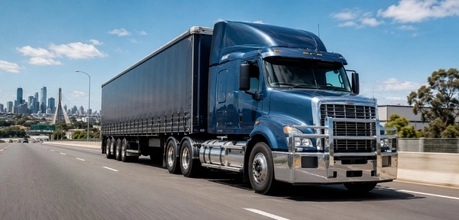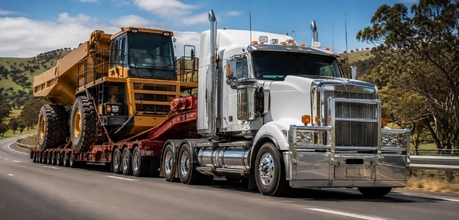

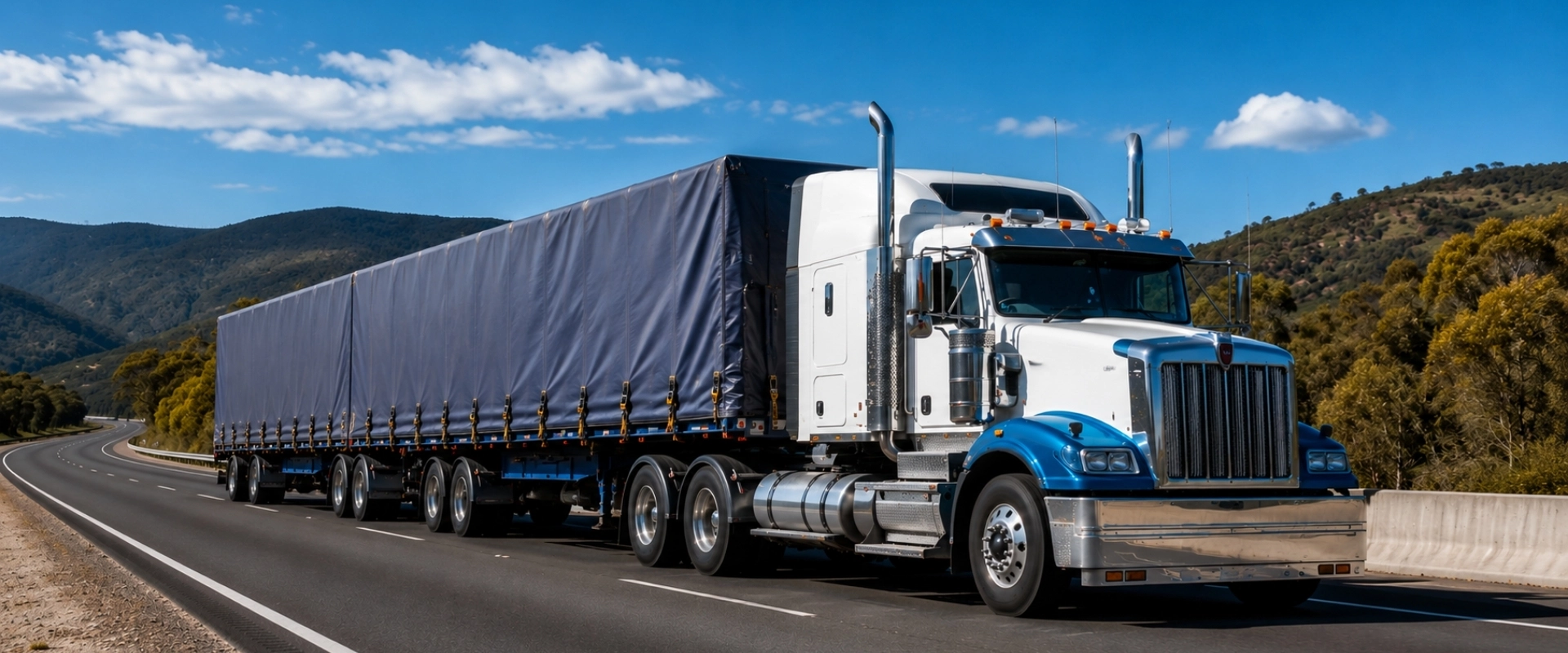
Sydney, Melbourne, and Brisbane are among the most significant and busiest cities in Australia. Pallet transport to these places is high-volume, but the challenges of delivering the pallets are enormous. Pallet transport companies need to find ways to minimise obstacles and make transport easier.
Dive into the blog below to understand the challenges that the pallet transport industry faces for even the basic transport of the pallets.
These interstate delivery systems between Melbourne and Sydney, Sydney to Melbourne, Sydney to Brisbane and Melbourne to Brisbane are not so easy. It goes through a lot of challenges, as mentioned below:
Long Distances and Route Complexity
One of the biggest challenges in delivery is Australia's geography. The distance between Sydney and Melbourne is about 880 km, and between Sydney and Brisbane is about 900 km. The long distance is difficult to cover on Australia's roadways. These long pallet delivery systems require proper planning for roadways, drivers, and fuel management.
Australia is a bigger country with long routes. So, there needs to be proper delivery planning. The pallet needs to be delivered on time, but the drivers also need adequate rest time in between to manage fatigue from long distances. The long delivery schedules in Australia are challenging to manage, as they may be delayed by rest periods.
Traffic Congestion in Major Cities
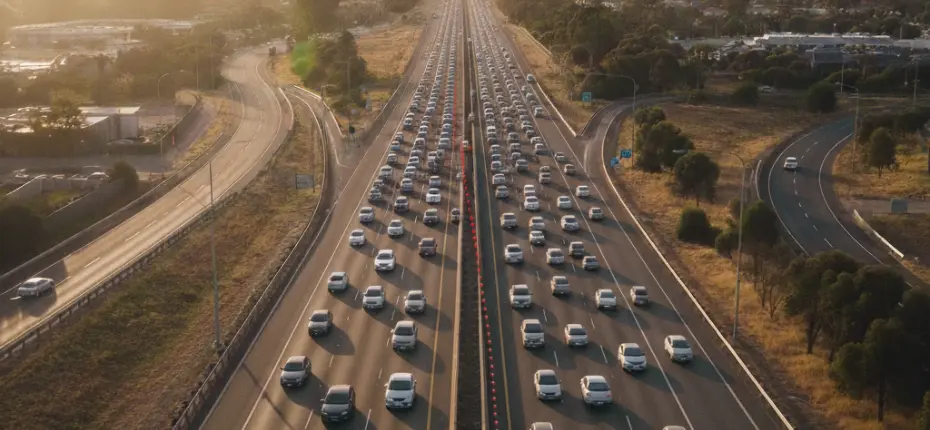
Sydney, Melbourne, and Brisbane are among the largest cities in Australia, and pallet transfers from these cities are challenging due to heavy traffic along the routes. Peak hours are the most significant hurdle, as they affect the entire delivery timeline. The limited loading zones and traffic slow down the pickup and delivery processes.
Due to the crowd and traffic, fuel consumption increases, and deliveries also become late. The first and last mile are the most crucial because distribution warehouses and retail locations are located within cities. Traffic delays everything and can damage the transport experience.
Rising Fuel Costs and Operational Expenses
For businesses, transport expenses are a crucial part, as are traffic and the distance between interstate cities like Sydney, Melbourne, and Brisbane, which are factors in rising fuel costs.
Along with fuel costs, vehicle maintenance also contributes to rising expenses. Tolls, roads, insurance, and labour all need to be managed by transport providers, which adds to expenses. All these factors are small when considered individually, but when taken together, they add up and often become difficult for transport businesses to maintain.
Transport Regulations in Australia
Australia has one of the strictest transport regulations, and transport businesses must comply with all of them. These rules are designed to ensure the safety and security of everyone. The rules and regulations that need to be followed are:
- The pallet weight should not exceed the limit by law.
- For the drivers, rest timings should be maintained to avoid fatigue.
- Documentation of the pallets is a must. All the documents should be well-maintained.
- The vehicle's certifications and safety requirements must be on board.
- Transport businesses must comply with these rules. Anything missing within these can lead to fines, delays, and damage to reputation.
Load Stability and the Pallet Weight Issues
There is a weight limit for every pallet transport in Australia, but the exact weight is difficult to maintain. Sometimes, it will be more or less due to inconsistent pallet sizes and uneven weight distribution. The pallets' safety is also a concern due to poor packaging quality.
When pallets are not well secured, vibrations from poor road conditions during transport can damage pallets and increase travel expenses. Transport companies should invest in restraints and pallet quality checks, and train their staff well to reduce these complications.
Weather Restrictions in Pallet Delivery
Australia's weather changes vastly from place to place. The weather change is also drastic, and this can seriously affect the pallet transport process as a whole. In Australia, the weather can be rainy, sunny, and cold, and may include other environmental conditions, such as bushfires and other natural disasters. Weather conditions are a broader concept that can lead to delivery delays and other problems in the pallet delivery process.
Weather conditions often lead to delays, so the transport system should devise alternative routes to ensure the timely delivery of the pallets.
Limited to No Backloads
The pallet transfer to cities like Sydney, Melbourne, and Brisbane involves heavy loads on the outbound trip. In contrast, the return trip has zero to very few pallets, which means it will increase the expenditure.
Hence, freight delivery companies are trying to optimise routes to better utilise the capital invested. These may be consolidated shipments, optimised routes, and coordinated schedules so that the vehicles, while on the return trip, don't return empty.
Overview of Major Pallet Transport Routes in Australia
Pallet transfer companies like Alpha Trucking are working hard to optimise their transport operations. Apart from the above-mentioned challenges, freight delivery companies face several others. These are discussed below:
- Businesses have evolved with the world, and with this evolution, the waiting period is decreasing, and now everyone needs parcels delivered as soon as possible. Meeting tight delivery schedules is not easy due to the significant reasons mentioned above.
- Deliveries to hubs like Sydney, Melbourne, and Brisbane are good, thanks to clean, well-maintained highways. Still, in most regions, there are no highways, and travelling on narrow roads is not easy, making it hard to maintain pallet safety.
- There are significant technological improvements in the logistics department, and everything is being optimised. Still, for all the pallet delivery companies, this optimization is not possible, as they have limited capital. Although technology is improving, companies still need funding to incorporate technological innovations into their businesses.
How do the Pallet Transport Companies Overcome These Challenges?
Though all the improvements cannot be present in all the pallet transport companies, the companies are progressively getting acquainted with the new techniques:
- The companies are implementing a load management system and developing strategic route planning to ensure timely deliveries.
- The vehicles used regularly need to be well-maintained so that efficiency does not decline over time and the pallets' safety is maintained at all times.
- The drivers need better training in handling pallets correctly and managing the timeline.
- Advanced tracking systems should be implemented to monitor pallets and provide comprehensive information on the delivery system. This will allow pallet delivery companies to identify issues faster and fix them on the spot.
- Improvements to eco-friendly practices will help pallet delivery businesses and the environment.
Pallet Delivery challenges are significant, and we do not have answers to every question in this sector. Still, advancements in these areas are rapid and will soon overcome these obstacles with the proper techniques and mechanisms. Sydney, Melbourne, and Brisbane are vast and very far apart, but transport is still improving day by day. Australia will soon be able to overcome these challenges in the logistics department with the improvements.