
Introduction: The Importance of Logistics & Freight Forwarding in Australia
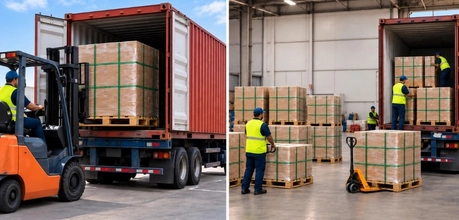
In Australia's vast and competitive landscape, efficient movement of goods is crucial for businesses to thrive. Understanding the distinction between logistics and freight forwarding is essential for companies aiming to optimize their supply chain operations. While both play pivotal roles in the transportation of goods, they serve different functions within the supply chain. This blog will explore the key differences between logistics and freight forwarding, helping businesses decide which service best suits their needs.
Overview of Logistics
Logistics encompasses the comprehensive management of the flow of goods from the point of origin to the final consumer. It involves:
- Transportation Management: Overseeing the movement of goods via various modes such as road, rail, air, and sea.
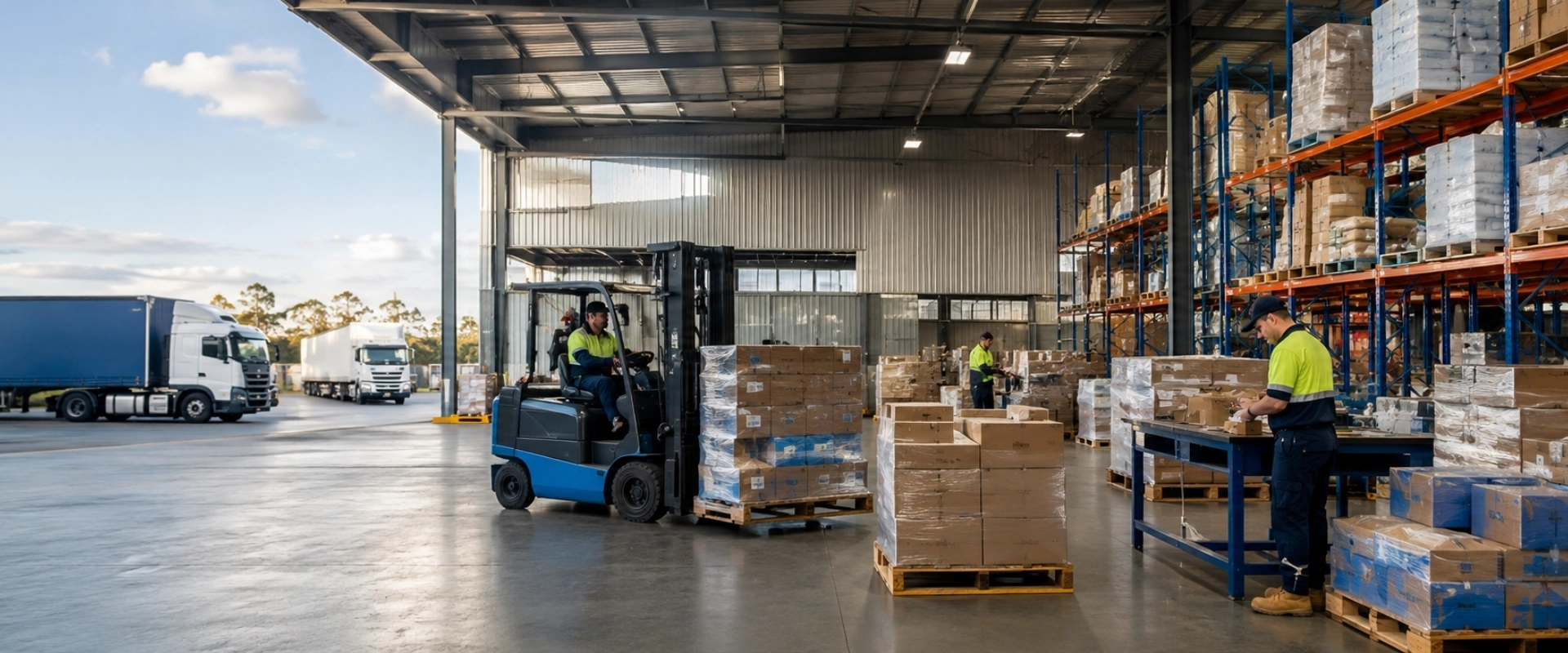
- Warehousing: Managing storage facilities to house goods before distribution.
- Inventory Management: Tracking and controlling stock levels to meet demand without overstocking.
- Order Fulfilment: Ensuring timely and accurate delivery of orders to customers.
In Australia, many logistics providers offer end-to-end services to streamline operations. Alpha Trucking, for instance, specializes in handling transportation logistics for businesses of all sizes, ensuring timely and efficient movement of goods across Australia.
Overview of Freight Forwarding
Freight forwarding is a specialized service that involves the coordination and shipment of goods on behalf of businesses. A freight forwarding company acts as an intermediary between the shipper and various transportation services, handling:
- Documentation: Managing the necessary paperwork for shipping, including customs declarations.
- Carrier Selection: Choosing the appropriate carriers (airlines, shipping lines, trucking companies) based on cost, speed, and reliability.
- Consolidation: Combining smaller shipments into a single larger shipment to optimize costs.
- Customs Clearance: Ensuring goods comply with import/export regulations and facilitating smooth customs procedures.
Freight forwarding is especially beneficial for businesses engaged in international trade, as it simplifies complex logistics processes and ensures compliance with global shipping regulations.
Key Differences: Logistics vs Freight Forwarding
|
Aspect |
Logistics |
Freight Forwarding |
|
Scope of Services |
End-to-end supply chain management |
Coordination of shipments between parties |
|
Control Over Assets |
Owns and operates transportation and storage |
Does not own transportation assets |
|
Client Types |
Serves a broad range of industries |
Primarily serves businesses involved in trade |
|
Pricing Models |
Often based on service packages or contracts |
Typically charges per shipment or volume |
These differences help businesses determine which service aligns best with their needs.
How to Choose Between a Logistics Provider and a Freight Forwarding Company
Selecting the right partner depends on your business's specific needs:
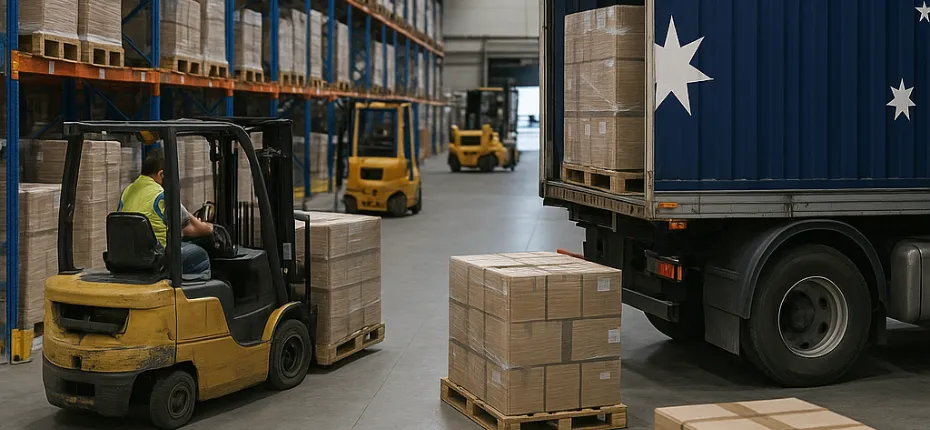
- When to Use Logistics: Opt for logistics services when you require comprehensive supply chain management, including warehousing, inventory control, and distribution.
- When to Use Freight Forwarding: Choose freight forwarding when your focus is on the efficient and compliant movement of goods, especially for international shipments.
- Hybrid or Integrated Solutions: Some companies, like Alpha Trucking, offer both logistics and freight forwarding services, providing a seamless supply chain experience.
Alpha Trucking offers integrated solutions, managing both interstate delivery services and freight forwarding, making it a one-stop solution for your logistics and freight needs.
Australian Market Context
The Australian logistics and freight forwarding industry is experiencing significant growth, driven by factors such as:
- E-commerce Expansion: Increasing demand for fast and reliable delivery services.
- International Trade: Growing import and export activities necessitate efficient freight forwarding solutions.
- Infrastructure Development: Investments in logistics hubs and transportation networks enhance service capabilities.
These trends underscore the importance of understanding and leveraging logistics and freight forwarding services to stay competitive in the market.
Practical Tips for Businesses
Before choosing a logistics or freight forwarding partner, consider the following:
- Assess Your Needs: Determine whether you require comprehensive supply chain management or specialized freight services.
- Evaluate Experience: Look for providers with a proven track record in your industry.
- Consider Technology: Ensure the provider utilizes modern tracking and management systems for efficiency.
- Understand Pricing: Be clear about pricing structures and any additional costs involved.
Alpha Trucking ensures competitive pricing with no hidden charges and a reliable technology platform to track freight from Sydney to Adelaide, optimizing delivery efficiency.
Conclusion
Understanding the distinctions between logistics and freight forwarding is crucial for businesses aiming to optimize their supply chain operations. By considering factors like industry specialization, pricing transparency, technology, and customer support, you can make an informed choice that aligns with your business goals. Ready to streamline your logistics and freight forwarding needs? Contact Alpha Trucking today to learn how we can support your business growth.