


In the logistics and freight industry, selecting the right freight forwarding partner is crucial for efficient, reliable shipping operations. Carrier performance plays a major role in ensuring that shipments are delivered on time, within budget, and according to the required standards.
For freight brokers, evaluating transporter performance involves more than just looking at costs; it also requires an assessment of service reliability, communication, and overall operational efficiency.
In this blog, we'll explore how freight brokers assess transporter performance, manage freight rate negotiation, and choose reliable partners that add value to their supply chains.
The Importance of Evaluating Transport Performance
Performance is critical for maintaining smooth logistics operations, especially in a competitive industry like freight. Reliable performance directly impacts delivery timelines, costs, and customer satisfaction.
Poor carrier performance can lead to delayed shipments, increased costs, and dissatisfied clients. To avoid these issues, freight brokers conduct thorough evaluations of potential cargo forwarding partners to determine if they can meet the demands of their clients effectively.
Key Metrics for Performance Evaluation
When assessing performance, freight brokers consider several key metrics to ensure they're partnering with reliable forwarders:
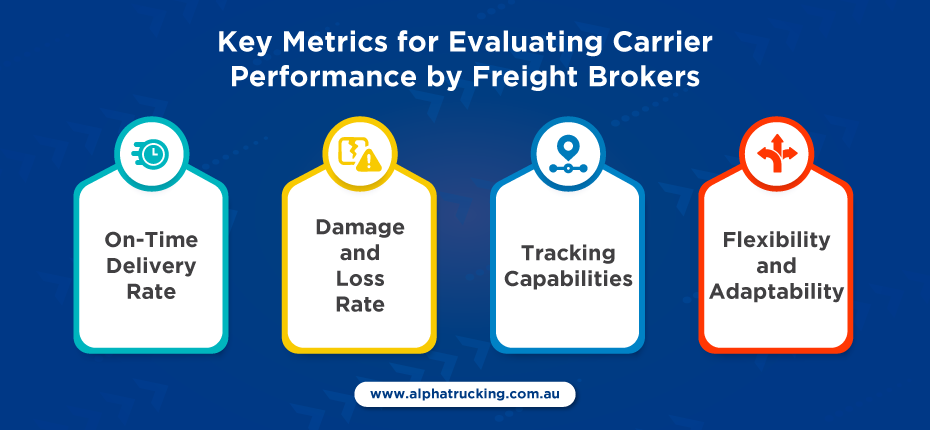
- On-Time Delivery Rate: Punctuality is one of the most important metrics in freight service evaluation. Brokers look for carriers with a strong record of on-time deliveries, as delays can disrupt supply chains and damage client relationships.
- Damage and Loss Rate: A low rate of damaged or lost goods is essential for assessing reliability. This metric helps brokers determine whether the carrier handles goods carefully and upholds quality standards.
- Tracking Capabilities: Even though Alpha Trucking relies on traditional methods, many brokers prefer partners with real-time tracking capabilities, which improve transparency and enable quick responses to issues.
- Flexibility and Adaptability: The ability to adjust routes or schedules to accommodate changes or challenges is a key indicator of a strong cargo forwarding partner.
The Role of Rate Negotiation in Carrier Selection
Freight rate negotiation is a critical component in selecting the right carrier. Rates can vary widely among carriers, depending on factors such as distance, type of goods, and special requirements.
Brokers often leverage their relationships and industry knowledge to secure competitive rates without compromising service quality.
During rate negotiation, freight brokers consider not only the initial price but also additional costs like fuel surcharges, handling fees, and peak season rates.
Brokers in freight logistics analyze long-term value over short-term cost savings. They aim to build sustainable relationships with carriers that offer flexibility in pricing and don't inflate costs unexpectedly.
This approach ensures that the freight broker maintains a stable pricing model for clients and can pass along any savings from negotiated rates.
Assessing Cargo Forwarding Partners in Australia
For freight brokers in Australia, choosing the right freight forwarder Australia can present unique challenges.
Australia's vast geography, coupled with regional differences in infrastructure and regulatory standards, requires brokers to select forwarding partners who understand the specific demands of the Australian market.
In this context, brokers consider factors such as the carrier's regional coverage, knowledge of local regulations, and experience in handling Australian load logistics.
Australian brokers also prioritize carriers who have experience with intermodal transport solutions, including road, rail, and sea transport, given the diverse shipping needs within the country.
By focusing on cargo forwarding partners with a strong reputation and proven track record in Australia, brokers ensure reliable service for clients across various regions.
The Importance of Communication and Customer Service
Good communication is essential for ensuring a successful partnership. Performance isn't just about on-time deliveries; it's also about how well the carrier keeps the broker informed throughout the shipping process.
Freight brokers look for partners who provide regular updates on shipment status, anticipated delays, and any potential issues that might arise. Transparent communication allows brokers to manage client expectations and make adjustments as needed.
A cargo forwarding partner with strong customer service skills is more likely to provide a reliable experience for both the broker and their clients.
This approach fosters trust and helps establish long-term relationships that benefit all parties in the supply chain.
Monitoring and Continuous Performance Evaluation
Freight brokers don't stop evaluating carrier performance after the initial selection. Instead, they engage in continuous monitoring to ensure the carrier consistently meets expectations.
Metrics such as on-time delivery rates, damage incidents, and feedback from clients are regularly reviewed.
This ongoing freight service evaluation allows brokers to address any performance issues before they escalate, ensuring that the carrier remains a dependable partner.
Furthermore, brokers often benchmark performance against industry standards to maintain high service quality.
Regular evaluations provide insights into areas where carriers may need to improve, and they allow brokers to make informed decisions about whether to renegotiate rates, adjust terms, or explore alternative partners.
Leveraging Technology for Performance Evaluation
While Alpha Trucking relies on traditional methods, many brokers are turning to technology to streamline freight logistics and monitor performance. Platforms that utilize data analytics and artificial intelligence can provide real-time insights into performance metrics, helping brokers make faster, more informed decisions.
These tools also support freight price negotiation by providing historical data on rate trends and performance patterns, allowing brokers to negotiate from a position of knowledge.
These tools also support freight price negotiation by providing historical data on rate trends and performance patterns, allowing brokers to negotiate from a position of knowledge.
Advanced technology platforms can consolidate performance data across multiple carriers, offering brokers a clear picture of each freight forwarding partner's reliability.
For businesses operating on a large scale or across multiple regions, these tools are invaluable for managing partnerships and ensuring optimal performance.
Building Strong Partnerships Through Mutual Trust
Establishing trust and mutual respect with cargo forwarding partners is fundamental to long-term success. Freight brokers strive to build relationships based on transparency, consistency, and aligned goals.
When brokers and carriers work collaboratively, it leads to improved service reliability, smoother load logistics, and better customer satisfaction.
Trust also enables brokers to address performance issues constructively and make changes that benefit both parties, creating a resilient supply chain.

Conclusion
Evaluating carrier performance is essential for freight brokers looking to provide reliable, cost-effective logistics solutions.
By considering key metrics, engaging in effective freight rate negotiation, and maintaining ongoing assessments, brokers can select freight forwarding partners who add genuine value to their operations.
In a complex market like Australia, where regional challenges and diverse freight needs come into play, brokers must choose partners with specific experience and strong reputations.
For businesses in the freight logistics sector, working with dependable forwarding partners ensures efficient, consistent, and high-quality service that benefits clients and supports long-term growth.