
The logistics sector has grown rapidly in recent years, but growth often brings complexity. As businesses move more goods across longer distances, the pressure on transport networks, freight operators, and supply chain partners continues to increase. Whether you are handling routine deliveries or managing oversized freight, the hurdles within the logistics world can significantly impact performance, cost, and customer satisfaction.
In this blog, we will break down the most common logistics industry challenges, why they occur, and how businesses can overcome them with smarter planning, better communication, and the right partners.
The Evolving Landscape of the Logistics Industry
The logistics industry has always been dynamic, but today's environment feels faster and more demanding than ever. Customer expectations continue to rise, fuel prices fluctuate, and transport regulations change frequently. At the same time, companies must balance efficiency, safety, and cost, often with very little room for error.
The ability to adapt quickly and make strategic decisions becomes the key to staying competitive and resilient.
1. Transportation and Route Challenges in Modern Logistics
Transport is at the heart of logistics, but it is also where many of the biggest problems appear. Unpredictable weather patterns, heavy traffic, and ongoing infrastructure projects can quickly disrupt even the most carefully planned routes.
Unpredictable Road Conditions
Natural events such as flooding, storms, and heatwaves can make roads unsafe or impassable. Even minor construction work or accidents can delay trucks for hours. These disruptions not only slow down delivery times but also affect fuel consumption, driver availability, and scheduling.
Impact on Oversized Freight Shipping
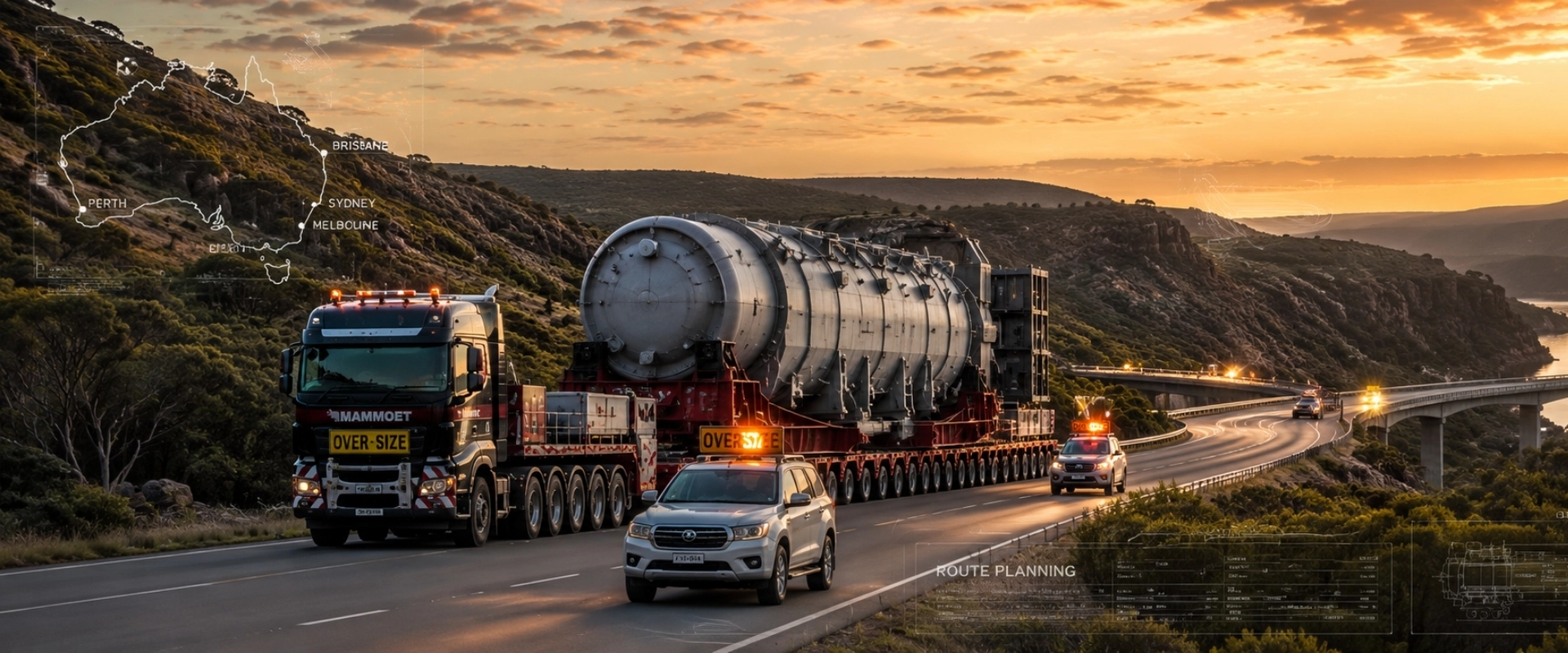
For companies managing oversized freight shipping, route planning becomes more complex. Larger loads often require detours, pilot vehicles, and permits. A single wrong turn can create safety risks or cause major delays. That is why many businesses rely on trusted transport companies Australia with experience navigating restricted routes and handling oversized cargo safely.
2. Rising Operational Costs and Fuel Price Uncertainty

Among the most consistent challenges in the logistics industry is the rising cost of fuel, labour, and vehicle maintenance. These expenses can fluctuate unexpectedly, placing pressure on both small trucking operators and large logistics networks.
Fuel Price Volatility
Vehicles used for oversized freight naturally burn more fuel, making cost control even more critical.
Equipment and Maintenance Costs
Heavy vehicles require frequent servicing, failing to keep equipment in top condition not only increases repair costs but also raises safety risks.
Mitigation Strategies
Another effective measure is partnering with specialist haulage companies that already use optimised equipment and experienced operators.
3. Workforce Shortages and Driver Fatigue
A shortage of skilled drivers is one of the biggest logistics industry challenges today. As demand for freight services increases, finding trained, reliable drivers becomes increasingly difficult. This shortage becomes even more visible when dealing with heavy haul loads.
Why Driver Shortages Occur?
Many drivers retire without any new and skilled replacement. Long working hours, time away from home, and the physical nature of the job often discourage younger workers from entering the field.
The Issue of Driver Fatigue
Fatigue is a major safety concern, particularly in long-distance and heavy-haul transport. Tired drivers are more prone to errors, slower reaction times, and poor decision-making, all of which can be dangerous when handling large, heavy, or over-dimensional cargo.
Possible Solutions
Companies can combat this issue by offering better working conditions, flexible schedules, competitive wages, and regular training.
4. Regulatory Compliance and Permit Complexity
Transport regulations are essential for safety, but they can be complicated to navigate. Compliance rules vary across states and regions, and they often change without much warning.
Challenges for Heavy Haulage Transportation
Oversized loads require specific permits, escort vehicles, approved travel hours, and strict route compliance. Failing to meet these requirements can result in penalties, delays, or forced detours.
Administrative Burden
Keeping track of documentation, especially for companies operating across multiple regions. This is why many businesses turn to transport companies in Australia.
How Companies Can Stay Compliant
Regular team training, updated documentation, and close coordination with authorities help reduce mistakes. Using digital platforms to manage transportation permits and compliance documents also makes the process easier and less error-prone.
5. Equipment Limitations and Load Handling Difficulties
Transporting goods safely requires the right tools, vehicles, and loading systems. When equipment is not suited for the type of cargo being moved, the risks increase significantly.
Issues with Heavy or Complex Loads
Oversized freight often includes machinery, industrial equipment, or structural components that need specialised trailers, such as drop-deck trailers, step-decks, or extendable trailers. Furthermore, for general freight delivery, having a reliable tail lift truck can be crucial for locations without a loading dock, greatly improving efficiency and safety.
The Role of Specialist Haulage Companies
Experienced haulage providers understand the engineering behind securing heavy loads and preventing movement during transit. Their expertise reduces the risk of damage and ensures safer transit.
Solutions for Better Load Management
Businesses can conduct equipment audits, invest in better trailers, and collaborate with experts when handling oversized cargo. Safe loading practices protect both the freight and the people involved in transport.
Navigating Logistics Industry Challenges With Confidence
The logistics sector will always face challenges, from rising costs and route complexities to driver shortages and permit requirements. But with the right planning, technology, and partnerships, businesses can stay ahead and operate efficiently.
If you are looking for reliable support or need help moving heavy or oversized freight, get in touch with our team today, we are here to guide you every step of the way.