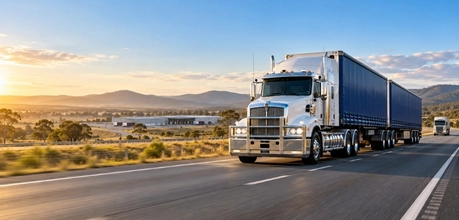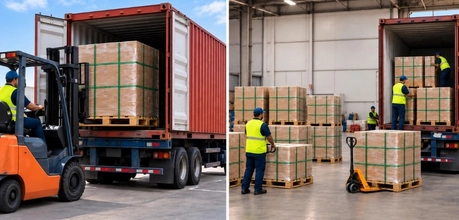


Delivery plays a far bigger role in customer satisfaction than most brands realise. The moment a customer places an order, their expectations shift toward when and how the item will arrive. Whether you are delivering large items across the country or handling regular parcel delivery, choosing between Standard Delivery and an express delivery service can significantly influence cost, speed, and overall experience.
This makes it important to understand both options clearly, not just what they offer, but how they fit into your logistics strategy.
Understanding Standard Delivery and Its Role in Today’s Logistics
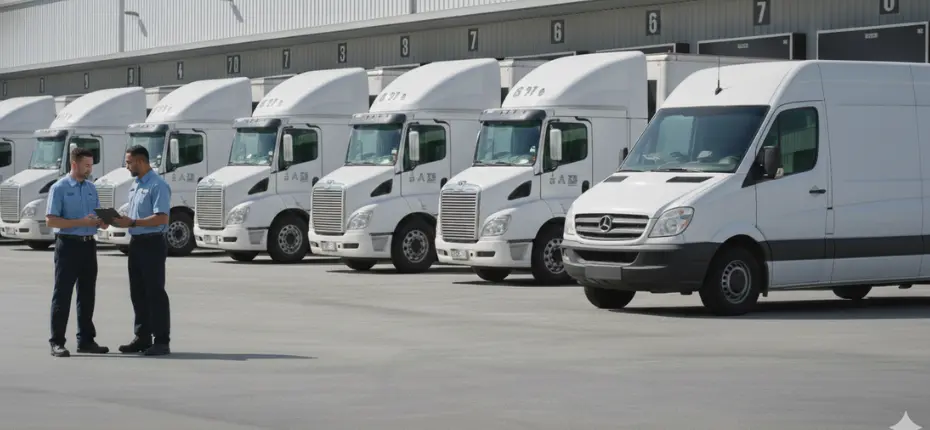
Standard Delivery continues to be the default option for thousands of businesses because it offers a dependable way to move goods without inflating costs. It focuses on efficiency, scheduled movement, and predictable delivery windows, making it ideal for businesses that value consistency over speed.
Even with growing demand for faster services, standard delivery remains relevant, thanks to its balance of affordability and reliability.
What Is Standard Freight Delivery?
Standard freight delivery is particularly useful for businesses that move bulk inventory, restock warehouses, or distribute items across multiple locations. It uses optimised transport routes and consolidated loads to keep logistics charges lower and predictable.
For companies managing heavy haulage transportation, standard freight delivery provides the necessary load capacity and stability without increasing overall costs.
When Should You Choose Standard Delivery?
Choosing the standard delivery makes sense when your shipment is not tied to urgent customer deadlines
It is great for scheduled deliveries, retail inventory, and products that do not demand express timelines.
The standard delivery time usually falls within a few business days, allowing businesses to create stable workflows.
It is also a practical choice for businesses delivering fragile items that do not necessarily need fast transport but require careful handling throughout the journey.
What Express Delivery Service
An express delivery service is designed for speed. When customers need an item urgently or a business has to fulfil tight timelines, express delivery ensures goods reach their destination faster than the standard option.
This service prioritises direct routes, priority handling, and shorter transit windows, making it a key offering for brands that value quick turnarounds and customer satisfaction.
How Express Delivery Works
- Express delivery compresses the delivery window without compromising safety or handling.
- It ensures shipments are prioritised at every step, pickup, transit, and final delivery.
- This service is commonly used by industries that deal with high-value goods, last-minute replenishments, or urgent customer requests.
In an era where buyers expect instant updates and fast arrivals, adding an interstate express delivery service option can help a business gain extra trust and credibility.
Standard vs Express: How to Compare Your Delivery Options
Choosing between standard freight delivery and express services depends on multiple factors. Each method serves a specific purpose, and understanding the differences helps you make a smarter decision.
|
Factor |
Standard Delivery |
Express Delivery |
|
Cost & Logistics |
More cost-effective due to shared routes and consolidated shipments. Ideal for frequent deliveries or long-term contracts. Offers better value for bulk freight or large items. |
Higher cost because of priority handling, faster routes, and dedicated processing. Customers often accept higher prices for urgent orders. |
|
Type of Goods |
Best for bulk goods, oversized freight, warehouse stock, and non-urgent shipments. Supports cost-efficient handling. |
Suited for fragile, high-value, or time-sensitive items that require fast and careful delivery. Common for urgent e-commerce orders. |
|
Customer Expectations |
Appeals to customers prioritising affordable delivery options. Good for cost-sensitive markets. |
Preferred by customers who want fast delivery and are willing to pay extra. |
Balancing Delivery Speed and Efficiency in Your Logistics Plan
A good logistics strategy does not rely solely on fast delivery, it balances speed, efficiency, and cost-effectiveness. Express delivery improves customer satisfaction, while standard delivery keeps your operations affordable.
By combining both options, businesses can manage peak seasons, reduce operational pressure, and serve customers of all types.
How to Decide the Best Fit for Your Business
Your ideal choice depends on your budget, the type of products you sell, and how quickly your customers expect their items.
Many businesses use a dual-delivery strategy where standard delivery handles routine operations while express services manage urgent or premium orders.
By comparing costs, customer needs, and internal logistics, you will be able to create a balanced and efficient delivery model.
Ultimately, offering multiple options gives your customers control and ensures your operations remain flexible.
Final Thoughts
Both standard delivery and express delivery service are essential to modern logistics. The key is understanding how they differ and which situations they are best suited for.
Contact us today to find the perfect freight and logistics solutions for your business.