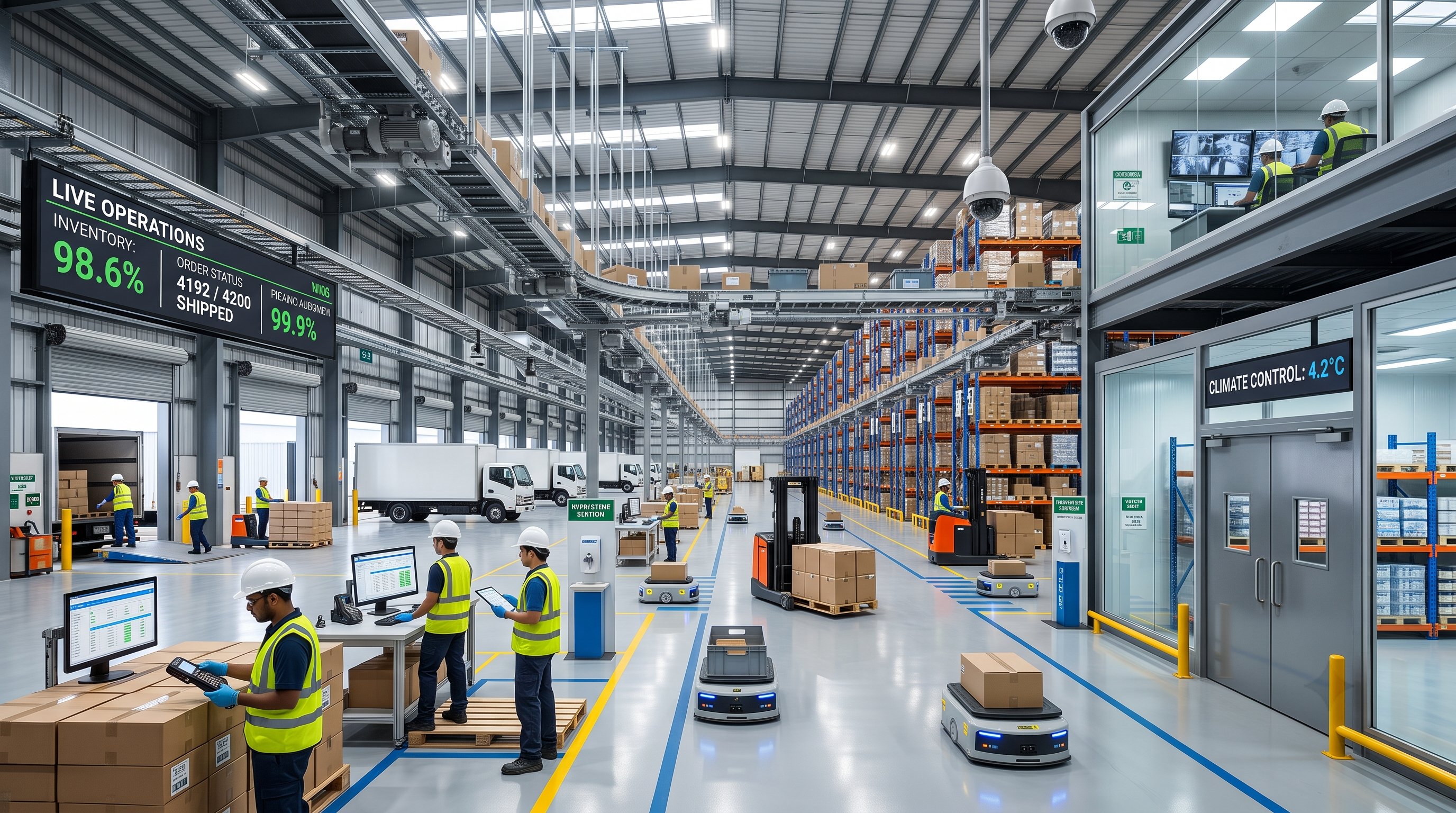

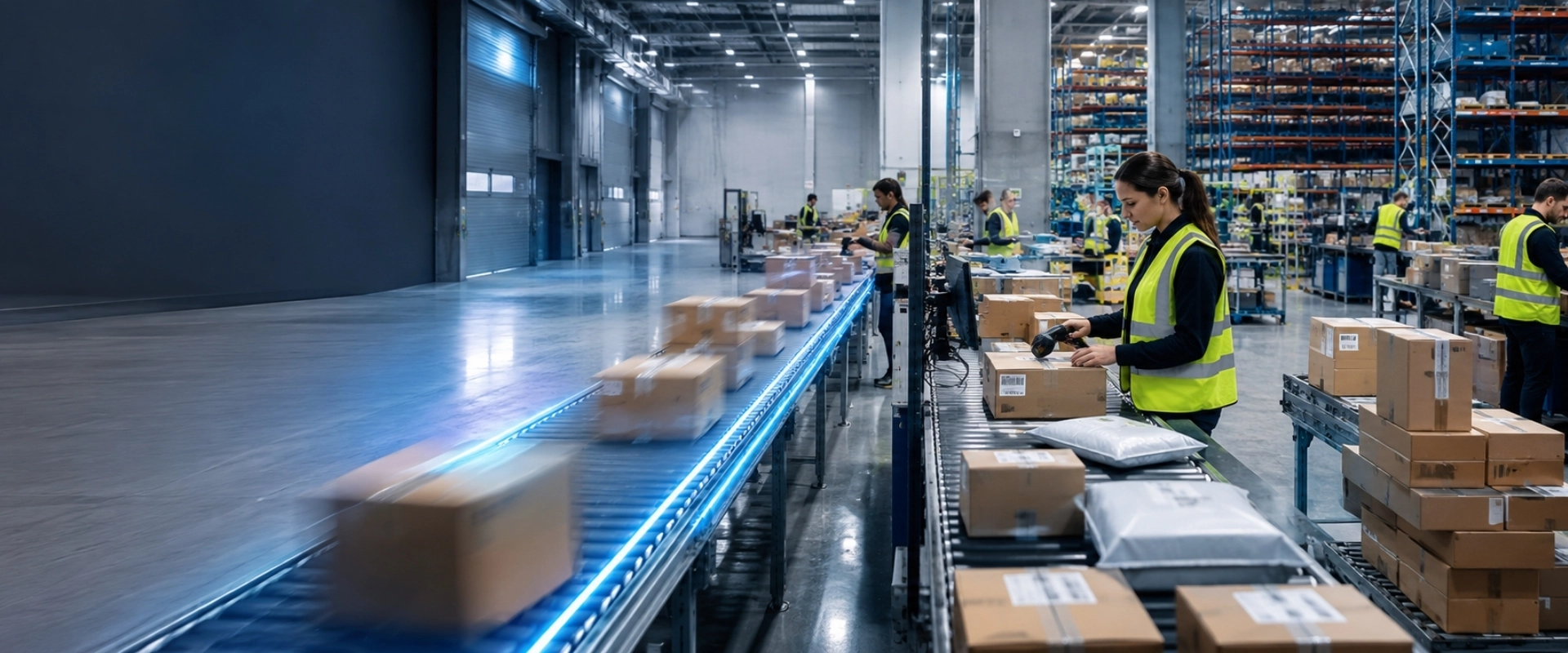
If you look at how goods move across Australia, between cities, regions, ports, and warehouses, one thing becomes clear: container transport keeps everything running. Whether a business is sending products from Melbourne to Brisbane or receiving imported goods through Sydney’s ports, containers help make the whole process smooth, organised, and reliable.
Australia is a huge country, and moving freight over long distances is not always easy. That is why connecting with trusted container transport companies is so important. They connect national supply chains, support regional businesses, and allow goods to travel safely from one end of the country to the other.
What Makes Container Transport So Important?
Containers might look simple from the outside, but they play a big role in keeping trade moving.
Standard sizes make everything easier
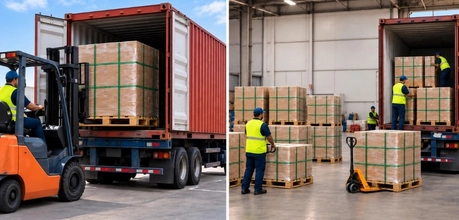
Because containers come in standard sizes, they can move between trucks, trains, and ships without needing to be unpacked. That means fewer delays, lower labour costs, and safer cargo handling.
A container that starts its journey on a truck in Victoria can easily be loaded onto rail freight transport, then transferred onto a vessel for sea freight Australia, all without opening the box. This saves time for everyone involved.
They are great for moving large volumes
Many businesses deal with big shipments that need to be delivered in bulk. Containers help do this efficiently. Whether it is manufactured goods, retail items, machinery, or fresh produce, container networks make long-distance trade more affordable and organised.
How Container Transport Supports National Trade
Australia moves millions of tonnes of freight every year. To make this possible, transport companies rely on a mix of road, rail, and sea networks. Each plays a different role depending on the distance and the type of cargo.
1. Road Transport: The most flexible option
For many businesses, trucks are the quickest and most convenient way to move containers, especially over short and medium distances. Road freight supports some of Australia’s busiest trade corridors, including freight between Melbourne and Sydney, carry shipments from Sydney up to Brisbane, and connect Melbourne with Adelaide through high-volume lanes.
Road transport is especially helpful for time-sensitive goods and last-mile deliveries. If a company needs stock urgently, trucking services can pick up the container and deliver it straight to a warehouse or distribution centre.
Road networks also support a lot of regional trade. For example, freight from ports often moves to inland areas through freight services NSW or regional trucking companies.
2. Rail Freight: Best for long distances
Rail is one of the most cost-effective ways to move high-volume freight across Australia’s long stretches of land. Because trains can carry so many containers at once, businesses save money compared with road transport, especially for long-haul routes.
Rail container transport Australia is widely used for:
- Bulk shipments
- Long-distance deliveries
- Links between major cities
- Transporting goods from regional areas to ports
Rail also reduces congestion on highways and provides more predictable travel times, which is a big advantage for national supply chains.
3. Sea Freight: Essential for imports and exports
Australia relies heavily on international trade, and ports are the entry and exit points for a huge portion of the country’s goods. Sea container transport supports industries like retail, mining, agriculture, and manufacturing.
Sea freight is used for:
- Exporting grains, meat, wine, and minerals
- Importing electronics, machinery, vehicles, and everyday products
- Domestic coastal shipping between major ports
Since many global suppliers and buyers depend on container shipping, sea freight keeps Australia connected to customers and trading partners worldwide.
How Container Transport Supports Regional Trade
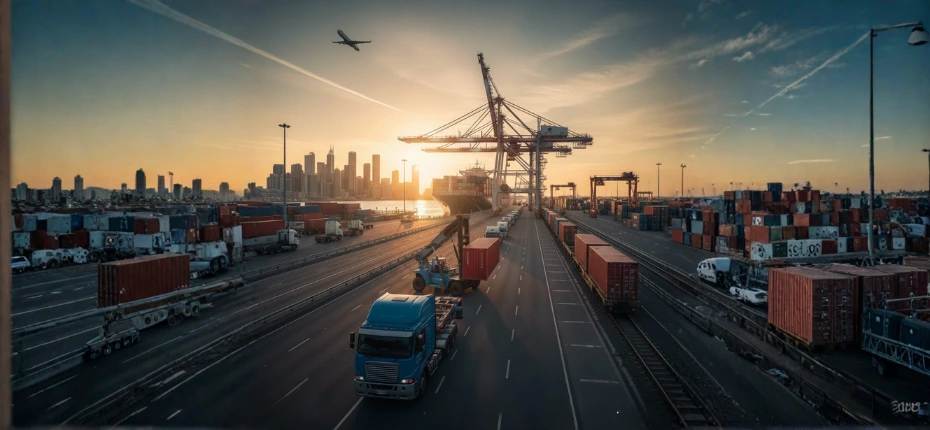
Regional areas depend on container transport just as much, if not more, than capital cities. These networks help farmers, small manufacturers, mining operations, and local distributors stay competitive.
Keeping regional industries connected
For regional businesses, container transport connects local production with buyers across Australia and overseas. Freight from regional NSW, South Australia, and Victoria is usually handled by state-based logistics providers, such as freight operators in South Australia, dedicated freight services across Victoria, and trusted freight companies throughout NSW.
Without these connections, many regional industries would struggle to send goods to market or receive essential supplies on time.
Reliable intrastate and interstate movement
Regional businesses rely on a mix of:
- Intrastate transportation
- Interstate freight services
- Pallet delivery service
- Container road freight
These services keep goods moving between farms, factories, distribution centres, and ports. For example, freight Gold Coast to Brisbane helps businesses in regional Queensland move cargo quickly to metro areas.
Specialised transport for heavy equipment
Some industries, like mining and construction, need specialised transport. Services such as heavy haulage Brisbane, heavy haulage Sydney, and heavy haulage Victoria make it possible to move oversized machinery safely to regional locations.
Why These Networks Matter for Australian Businesses
Predictable delivery timelines
Container transport networks allow businesses to plan with confidence. Whether cargo is moving between states or from a port to a warehouse, companies rely on consistent schedules supported by logistics company Australia networks.
Lower transport costs
Businesses can choose the most suitable option, road, rail, or sea, based on urgency and budget. For example:
- Rail is ideal for bulk shipments
- Road works best for flexible delivery times
- Sea freight supports big import and export movements
This flexibility keeps costs under control.
Better safety and compliance
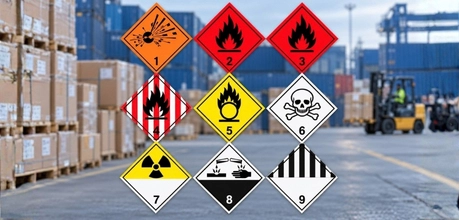
Containers protect cargo from damage, weather, and theft. They also support regulated services like dangerous goods transport Australia, which require strict compliance for safe movement.
Room to grow
Because these networks cover major capitals and regional areas, even small businesses can expand. A company that once served only local customers can now ship nationally through container transport interstate services.
Final Thoughts
Container transport networks play a huge role in keeping Australia’s national and regional trade systems running smoothly. They help businesses move goods safely and efficiently, connect regional producers with major cities, and support the country’s import and export activities. As technology improves and infrastructure continues to grow, Australia’s container transport network will only become stronger.
If your business relies on container movements across Australia, having the right transport partner can make a noticeable difference. Connect with us to streamline your freight planning and keep your supply chain running smoothly.