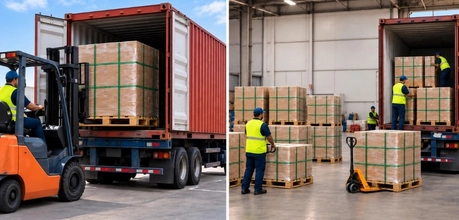


Prices are crucial; any change in the container prices straightaway affects the overall shipment budget. The small rise in fuel prices can drastically increase the overall freight costs.
Over the past year, Australian businesses have seen major shifts in ocean freight rates, mainly because of rising fuel prices, global conflict near important shipping routes, and additional carrier surcharges. This means understanding current freight trends and its effect on container transport cost in Australia is now important for every importer and exporter.
Whether you ship occasionally or manage regular cargo movement, knowing what affects container freight rates can help you make smarter decisions and avoid unexpected costs.
Rising Energy Costs and Supply Chain Impact
One major reason shipping costs are rising globally is fuel.
Shipping lines depend heavily on marine fuel, and when global oil prices rise, carriers usually transfer that extra cost to customers through fuel adjustment charges. Recent tension in the Middle East, especially near the Strait of Hormuz, has created pressure because this route handles a large share of the world’s oil movement.
According to, any disruption in this region quickly affects fuel pricing and global supply chains.
For Australian businesses, this means the overall freight shipping cost often rises even when the shipment size remains the same.
Fuel-related shipping cost increases usually happen because:
- Vessels consume more fuel on longer routes
- Emergency fuel surcharges are added
- Carriers avoid risky shipping lanes
- delivery schedules become less predictable
When ships take longer alternative routes, fuel consumption rises, and this directly affects sea shipping rates.
Analysing the Surge in Ocean Freight Rates and Port Surcharges
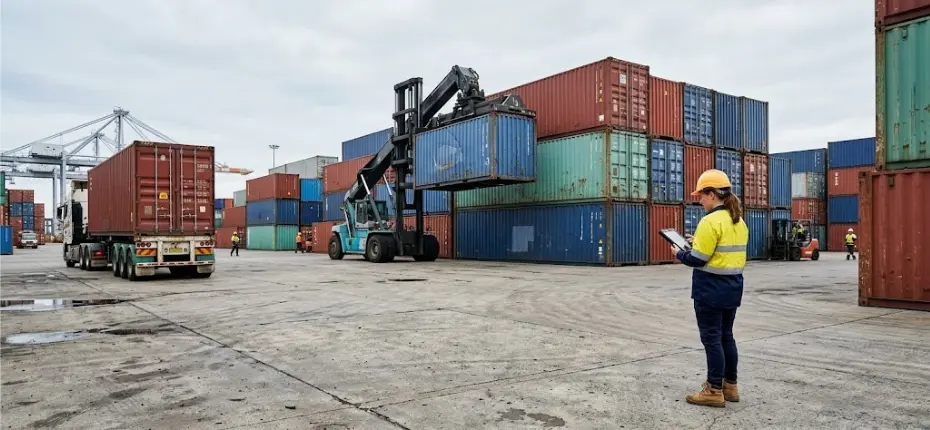
Another major issue affecting ocean freight rates is route disruption. Shipping companies are currently dealing with higher freight insurance, route changes, and operational delays. As a result, many carriers have introduced extra charges such as:
- War risk surcharges
- Fuel recovery fees
- Congestion charges
- Emergency route adjustment fees
As explained by, shipping companies are adjusting vessel movement to avoid unstable regions, which increases operational costs. These extra charges directly influence international container shipping rates, especially for shipments entering Australia from Asia, Europe, and the Middle East.
Port congestion also adds pressure. If vessels arrive late because of rerouting, containers may face delays at terminals, creating additional handling charges.
This is why many importers now ask for full landed-cost visibility before confirming freight bookings.
Key Shipping Routes at Risk
Certain trade routes are currently under more pressure than others because of global conflict and route adjustments.
Middle East – Asia / Europe / Americas
- This route remains sensitive because of ongoing security concerns in the Gulf region.
- Insurance premiums for vessels passing through this area have increased, and some shipping lines now apply additional risk surcharges.
- This directly affects container freight rates for cargo linked to the Middle East trade.
Asia – Europe via Red Sea / Suez
- The Red Sea remains one of the most affected shipping corridors.
- Several carriers continue to avoid this route and choose longer alternatives around Africa.
- According to, route diversions are increasing both transit time and shipping cost globally.
- Even Australian shipments can feel this impact because vessel schedules are connected across multiple global trade lanes.
Asia / Middle East – North America
- This route has also become more expensive because carriers are shifting vessel capacity toward higher-demand markets.
- When vessel availability tightens globally, Australian importers may also experience reduced booking flexibility and higher sea shipping rates.
The Current Market Container Price in Australia
So what is the current container price in Australia?
Rates vary depending on several factors:
- Container size (20ft or 40ft)
- Country of origin
- Carrier availability
- Port congestion
- Seasonal shipping demand
For example, a 20ft container from Asia may cost differently from a 40ft container from Europe because shipping pressure differs by route.
At present, Australian businesses are seeing the most movement in pricing on routes such as:
- China to Sydney
- Southeast Asia to Melbourne
- Europe to Brisbane
Because international container shipping rates now change quickly, many freight quotes remain valid only for a short period.
This means businesses should request updated pricing regularly rather than depending on old freight estimates.
Strategic Solutions for Managing Australian Container Freight Rates
The good news is that rising costs can still be managed with better planning.
A few practical ways include:
- booking cargo earlier
- comparing shipping lines
- consolidating shipments into a pallet delivery service
- selecting flexible delivery windows
- reviewing the surcharge breakdown carefully
Because container freight rates can change weekly, early planning often gives better control over total freight spend.
Leveraging Local Expertise to Avoid "Hidden" Port Fees
Many importers focus only on freight charges and forget local destination costs.
However, hidden charges may include:
- terminal handling fees
- detention charges
- demurrage costs
- quarantine inspection fees
- storage charges
These additional costs can significantly increase the final freight shipping cost.
Working with experienced freight partners helps businesses understand the full landed cost before cargo arrives.
Calculate Your International Shipping Costs
Before booking your next shipment, always calculate the full cost instead of checking only the freight quote.
Ask:
- Is the fuel surcharge included?
- Are destination charges fixed?
- Could delays create storage costs?
- Is insurance included?
A simple formula is:
Base freight + fuel surcharge + port fees + customs handling + local delivery = Total shipping cost
This gives a clearer picture of current ocean freight rates and helps businesses compare options better. In today’s market, businesses that understand shipping cost details usually avoid unexpected expenses and manage logistics more confidently.