

Moving a container across Australia involves far more than simply loading and driving. The final cost you pay depends on a number of factors, including the type and distance of the freight, fuel costs, equipment, and port fees. Knowing how the process operates will help you manage costs and make more effective plans.
Container logistics can seem complicated due to Australia's distinct geography, strict transportation laws, and diverse freight requirements. This guide explains what actually influences container pricing today and breaks down the main factors that affect container transport costs.
1. The Main Factors That Influence Container Transport Costs
Container Size and Type
The size and type of container directly affect the total cost. While standard 20- and 40-foot units are common, specialised types (such as high-cube or refrigerated units) invariably result in higher delivery costs due to additional equipment needs. This is critical when calculating container transport interstate, as oversized or high-weight cargo requires reinforced containers and specialised handling, increasing the overall expense.
Distance and Route
One of the most crucial aspects of pricing is the distance your container can travel. Long-haul routes to Western Australia, the Northern Territory, or remote regional locations greatly raise the cost of freight transportation; however, transportation between major cities like Sydney, Melbourne, or Brisbane is usually simple. The cost of moving container loads is influenced by a number of factors, including fuel consumption, driver hours, route access, and occasionally the cost of returning empty containers to the depot.
Cargo Weight and Type
Weight is important. In addition to requiring more fuel, heavier containers might require specific trailers or handling tools. For instance, companies estimating the cost of transporting heavy machinery frequently encounter extra requirements like reinforced trailers, escort cars, or additional permits. The complexity of the move is further increased if your load contains delicate items or equipment with particular safety requirements.
Transport Method
Containers are frequently transported by rail, road, or a combination of the two in Australia. The most practical and popular choice is the road, particularly for short to medium distances. For lengthy trips, rail can be more affordable, but it may require more handling at terminals. International freight arriving from abroad is subject to sea container transport, which adds another set of expenses. Your chosen method influences timelines, labor, and the final container transport cost.
2. What is Included in a Container Transport Quote?
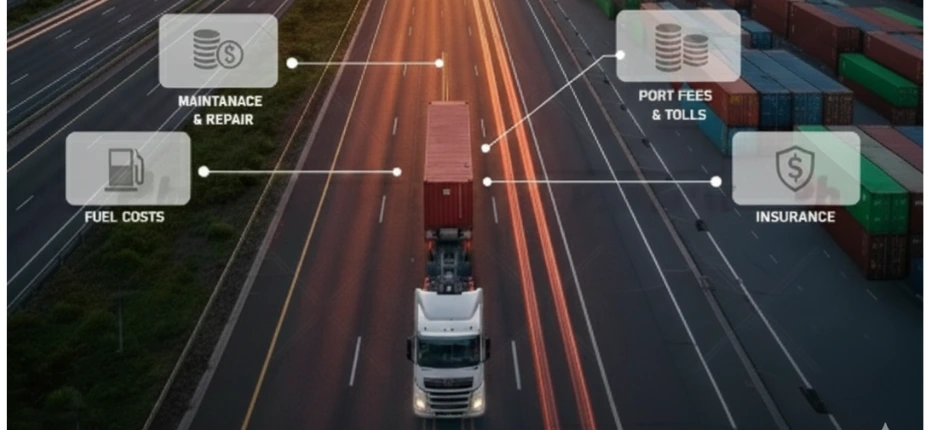
When you ask for a container delivery quote, you will see that a number of factors affect the final cost. The base freight charge, fuel surcharges, container lift fees, port or depot handling fees, tolls, and occasionally storage fees if the container stays longer than the permitted free period are examples of these. Some providers also include quarantine inspection costs for international shipments, especially if you are calculating the container delivery to Australia cost for imported goods.
It is crucial to comprehend these elements because not all businesses provide a clear breakdown of their quotes. You can see exactly where every dollar is going when you have a transparent logistics partner.
3. Domestic Costs vs International Costs
Domestic Container Transport Costs Include:
- Transport distance between port, depot, warehouse, or site
- Fuel surcharges and tolls
- Lift-on/lift-off equipment charges
- Container detention or storage if delays occur
- Access issues at delivery location.
International Container Costs Include:
- Sea transport charges from origin country
- Port handling fees at loading and unloading ports
- Customs duties and documentation fees
- Biosecurity and quarantine inspections
- Terminal and vessel congestion surcharges
- Currency fluctuations affecting the total cost of container delivery to Australia
How They Connect:
- International costs apply until the container reaches an Australian port.
- Domestic charges apply once the container needs to be moved by road or rail to its final destination.
- Together, they form the complete picture of the container transport cost.
4. Hidden Expenses Many Businesses Do not Expect
Certain expenses emerge during the process but are not immediately apparent. Repositioning empty containers is one example. The carrier may have to return with an empty container when the delivery location is far from major depots, which would increase operating costs.
If loading or unloading takes longer than anticipated, waiting time fees may also be incurred. Additional costs may be incurred due to site-specific limitations, weekend operations, and after-hours deliveries. And for oversized loads, obtaining special permits or arranging escort vehicles is often necessary, a major factor when calculating the cost to transport heavy equipment.
You can prevent unforeseen spikes in your budget by being aware of these possible costs in advance.
5. How to Reduce Your Container Transport Costs
Effective planning and partner selection are often key components of cost reduction. The final cost can be decreased by choosing the appropriate container size, organising loading and unloading effectively, planning your transportation ahead of time, and consolidating freight whenever feasible. Depending on your location and schedule flexibility, using rail for longer hauls may result in lower costs.
Working with a logistics company that provides clear pricing is another crucial component. Fuel, tolls, equipment, handling, storage, and other costs are all included in a comprehensive container delivery quote, which makes it easier to compare options and prevent unforeseen fees.
6. The Importance of Working With an Experienced Transport Provider
Container logistics require expertise, regulatory knowledge, and reliable equipment. An experienced operator not only moves your freight but also helps optimize your supply chain. This includes selecting the best route, advising on permits, managing port or depot paperwork, and reducing issues that lead to extra fees.
A knowledgeable provider also helps you make smarter decisions about the container transport cost, avoiding unnecessary equipment or timing delays. Whether you are moving local freight or managing the container cost for national distribution, a reliable partner ensures safe, compliant, and cost-efficient delivery.
Final Thoughts
Container transport in Australia involves many moving parts. Understanding these elements helps you make informed decisions, plan your logistics budget effectively, and avoid unexpected costs.
Whether you are estimating the cost to move delivery container loads or importing goods and calculating the total container delivery cost to Australia, transparency and planning make all the difference. The right logistics partner ensures smooth operations, accurate quoting, and cost-efficient delivery every time.
If you want reliable pricing, compliant transport, and hassle-free coordination, Get in touch with Alpha Trucking today for a fast and accurate container transport quote.