
Dangerous Goods are all those substances that have explosive, toxic, corrosive, or infectious properties. But we do have significant uses for those substances, and hence they are needed in a few authorised places. Therefore, transporting dangerous goods is a necessity. To transport these hazardous goods, a permit is required.
Let's go deep into the blog to look into the process of transporting dangerous goods. You can explore the transportation techniques of hazardous goods in Australia.
What Are Dangerous Goods? Classification of these dangerous goods.
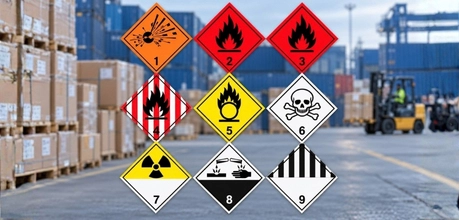
Dangerous goods or hazardous materials, or hazmat, are all the products that can be categorised as explosives, toxic, corrosive, or infectious. We have many classes of dangerous goods based on the primary hazard type, such as explosives, gases, flammable substances, etc. Here are the hazardous goods classes:
CLASS 1: Explosives(Mass Explosion)
CLASS 2: Gases(Flammable, inflammable, toxic)
CLASS 3: Flammable Liquids
CLASS 4: Flammable Solids(spontaneous combustion, flammable solid)
CLASS 5: Oxidising Agents and Organic Peroxides
CLASS 6: Toxic and infectious substances
CLASS 7: Radioactive Material
CLASS 8: Corrosives
CLASS 9: Miscellaneous Dangerous Substances(environmentally hazardous things)
Regulatory Framework Governing Dangerous Goods Transport in Australia
The Australian government has strict rules and regulations regarding the transportation of dangerous goods. Australia has frameworks to regulate the transfer of these goods across the country.
The frameworks are:
- The Australian Dangerous Goods (ADG) Code
- State & Territory Compliance Requirements
- Competent Authorities
Step-by-Step Process of Transporting Dangerous Goods
Here is a step-by-step process in which the dangerous goods can be transported from one place in Australia to another:
Identifying & Classifying the Dangerous Goods
- The first and most crucial step is identifying the dangerous goods. As seen above, hazardous goods can be classified into nine categories. The transport system should be able to identify the hazardous substance's class.
- According to the Safety Data Sheet, there is a unique UN number for the dangerous substance and its hazard class.
- This step is crucial for transporting dangerous goods, as it is necessary for the subsequent steps.
Packaging & Labelling Requirements

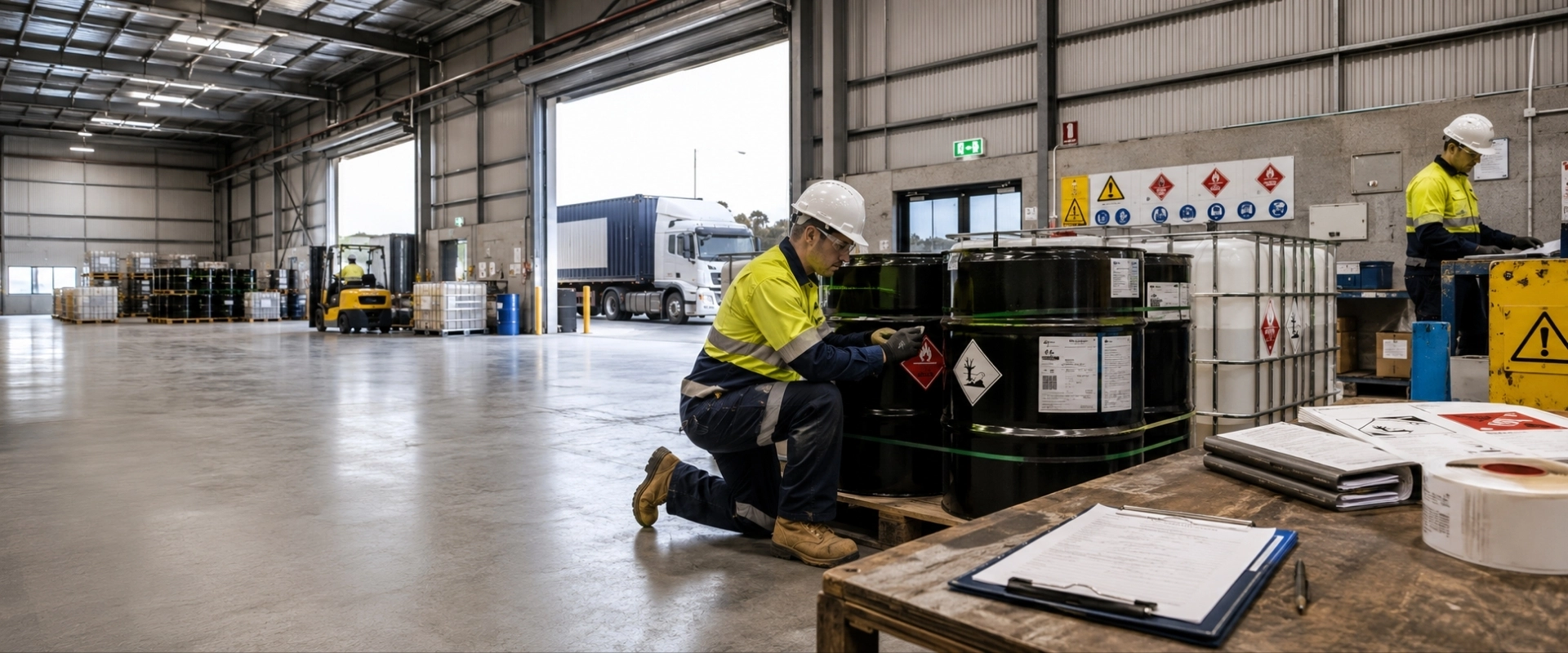
- Simple packaging is not the case here. There are special UN-certified packaging that can withstand leaks, pressure, or impact during transportation.
- Packing depends on the hazard class and packing group.
- The packaging should be proper, with precise labels, markings, and placards, and everything should be clearly visible.
- The hazardous symbol must be prominently displayed to ensure the safety of dangerous substances.
Documentation & Compliance Checks
- The documentation of the hazardous substances includes dangerous goods transport documents, emergency response information, and compliance declarations.
- These documents are essential for the transport to be legally approved and must be carried by the drivers throughout the shipment process.
- Under the CoR (Chain of Responsibility) law, all parties involved in transporting dangerous goods in Australia share responsibility for them.
Vehicle Selection & Safety Equipment
- The vehicles used to transport dangerous goods may include equipment such as fire extinguishers, spill containment equipment, emergency kits, and more to ensure the safety of hazardous goods.
- The vehicle should also be able to handle the goods. The cars should have proper ventilation, load resistance, and separation wherever required.
- The vehicles must come under the ADG code requirements.
Driver Training & Licensing
- There is a dedicated dangerous goods driver's license, and the driver should be capable of handling the complexities, risks, and emergencies associated with it.
- Drivers must undergo dedicated training to acquire the skills required to transport hazardous goods.
- The risks and problems associated are sudden, so the drivers must be skilled enough to handle the situation.
Route Planning & Risk Assessment
- Proper planning is crucial to ensure there are no risks to dangerous goods.
- The routes should be finalised to reduce risk and to place the crowd where it is least.
- The weather conditions and road quality are also important factors to consider.
- Although the driver should be prepared for sudden risks, being prepared for certain things is a precaution that helps control risk.
Loading, Transport & Monitoring
- Australian dangerous goods need to be closely monitored to detect potential risks before they become serious.
- Upon arrival at their destination, the dangerous goods are unloaded in accordance with the approved guidelines and then rechecked.
- The original documents are retained for auditing purposes.
Common Challenges in Dangerous Goods Transport
There are a lot of ways devised to make sure the goods are safe during transit, but still, there are a few complications that can happen anytime, even if all the things are taken care of:
- Delays in transporting dangerous goods due to vehicle and goods inspections.
- The Australian Dangerous Goods (ADG) Code has some stringent rules and regulations that everyone must follow. These rules need to be followed religiously by everyone so that there are no loopholes.
- The dangerous goods regulation is very crucial, and there are also many ways to handle them, but a minor mistake can lead to greater destruction.
- The specialised packaging and equipped vehicles are costly, and the entire transport of the dangerous goods is expensive.
Best Practices for Safe & Compliant DG Transport
To minimise the risk factors, the transport services can take the following best practices:
- Tie up with a Dangerous Goods Transport provider. This tie-up will ensure that the vehicle is equipped and the drivers are experienced enough to handle the risks.
- Technology can be used to track dangerous goods during transit. We ensure all the work is done according to the plan.
You can check the blog - Managing Freight Risk During Transit: Tips from the Experts at Alpha Trucking for more information on the best practices for safe transportation.
Transporting dangerous goods is not an easy task at all. Precautions need to be taken, and all rules and regulations must be followed correctly, so there is no room for further mistakes on our part. Everything needs to be well planned, and the day, time, route, and distance need to be perfectly aligned so that everything is suitable for the dangerous goods.