

Quick Summary:
Not sure whether you need interstate or intrastate freight? Here's the short answer: interstate freight crosses state or territory borders and is governed by national regulations, while intrastate freight stays entirely within one state and falls under state-level rules. The two differ in cost, transit times, licensing requirements, and compliance complexity. This guide walks through every key difference with examples, comparison tables, and practical guidance. So, you can choose the right freight service with confidence.
Short on Time? Read This First
Here’s a side-by-side comparison of intrastate vs interstate Freight.
|
Feature |
Interstate Freight |
Intrastate Freight |
|
Definition |
Transporting goods between two or more states or national - countries. |
Transporting goods from origin to destination within a single state or territory. |
|
Regulation |
Governed by federal authorities. |
Governed by state or local authorities. |
|
Jurisdiction (Australia) |
Overseed by the National Heavy Vehicle Regulator (NHVR) (excluding Western Australia and the Northern Territory). |
Governed by individual state transport departments (e.g., Transport for NSW or VicRoads). |
|
Common Use Cases |
Long-haul logistics, cross-border supply chains. |
Last-mile delivery, regional distribution, local trades, and metro courier services. |
|
Compliance |
Requires federal registration, broader safety standards, and specific permits for heavy vehicles. |
Must meet state-specific vehicle standards, mass limits, and road rules. |
Introduction
For Australian businesses that ship goods regularly, understanding the difference between interstate and intrastate freight isn't just useful, It's essential. Get it wrong, and you could face unexpected costs, compliance issues, or delivery delays that damage your customer relationships. Infrastructure Australia reports that road freight accounts for almost 80% of Australia's non-bulk freight, making it the dominant transport mode for domestic supply chains. This makes it even more important for businesses to understand when to choose interstate or intrastate freight services.
The terms are easy to confuse. Both involve moving freight from point A to point B by road, rail, air, or sea. But whether that movement crosses a state border change everything. The regulations that apply, the licences your carrier needs, how long your delivery will take, and what you'll pay.
Whether you're a small business owner shipping within your home state, a national e-commerce retailer distributing across Australia, or a logistics manager trying to streamline your supply chain. This guide covers intrastate vs interstate freight in full detail, so you can make the right call every time.
What Is Interstate Freight?
Interstate freight refers to the transportation of goods, cargo, or shipments between two or more states within a national country. In Australia, interstate freight involves moving freight across state or territory borders, such as transporting goods from Melbourne in Melbourne to Sydney in Sydney.
Alpha Trucking uses interstate freight services to help businesses distribute products nationwide, replenish inventory, supply retail stores, and support large-scale logistics operations. Depending on the shipment size, urgency, and destination, freight can be transported by road, rail, sea, or a combination of transport modes.
How Interstate Freight Works
A typical interstate freight movement involves the following stages:
- Collection: The carrier picks up the consignment from the sender's premises in the origin state.
- Linehaul: Freight is transported over long distances via road, rail, sea, or air or a combination of these modes.
- Depot consolidation: For less-than-truckload (LTL) shipments, freight may be consolidated at a hub depot before continuing to its destination state.
- Border compliance: Drivers and carriers must comply with national fatigue management rules, mass and dimension limits, and any applicable biosecurity or agricultural inspection requirements at state borders.
- Last-mile delivery: The shipment is delivered to the final recipient within the destination state.
Example:
A Sydney-based manufacturer needs to deliver a full truckload of industrial components to a client in Brisbane. The truck departs from Western Sydney, travels north through New South Wales, crosses the border into Queensland, and delivers to the client's warehouse in Brisbane. Because the shipment crosses a state border, it is classified as interstate freight and must comply with the NHVL throughout the journey.
What Is Intrastate Freight?
Intrastate freight refers to the transportation of goods, cargo, or shipments within the boundaries of a single state or territory. The freight is picked up and delivered within the same state without crossing any state borders. In Australia, examples include transporting goods from Brisbane to Cairns within Queensland or from Melbourne to Geelong within Victoria.
For businesses operating within a single state, intrastate freight services provide an efficient solution for local deliveries, warehouse replenishment, retail distribution, and urgent shipping requirements. Because shipments remain within one state, logistics operations are often simpler, and transit times may be shorter than interstate freight.
How Intrastate Freight Works
An intrastate freight movement typically follows these steps:
- Pickup - The carrier collects the consignment from the sender within the state.
- Transport - Freight moves to its destination via road, rail, or a combination, all within the same state.
- Delivery - The goods are delivered to the recipient at the destination address within the same state.
Example:
A Gold Coast wholesaler needs to send a pallet of stock to a retailer in Brisbane. The carrier picks up from the Gold Coast warehouse and delivers to the Brisbane store both within Queensland. This is intrastate freight. No border is crossed, no national permits are required, and the carrier operates under Queensland's transport regulations.
Intrastate vs Interstate Freight: Quick Comparison
Here’s a quick feature comparison of both interstate vs intrastate freight.
|
Feature |
Interstate Freight |
Intrastate Freight |
|
Geographic scope |
Crosses state/territory borders |
Stays within one state/territory |
|
Governing regulations |
National (e.g., NHVL, NHVR) |
State-based transport laws |
|
Licensing |
National Heavy Vehicle Accreditation |
State-issued carrier licence |
|
Transit times |
Generally longer |
Generally shorter |
|
Typical costs |
Higher (distance, compliance overhead) |
Lower (shorter routes) |
|
Complexity |
Higher |
Lower |
|
Best for |
National supply chains |
Regional distribution |

Key Difference Between Interstate and Intrastate Freight
Here are the key differences between interstate and intrastate trucking.
1. Geographic Coverage
The most fundamental difference is geographic. Intrastate freight operates exclusively within a single state or territory, while interstate freight spans two or more states or territories. In Australia, where states like Western Australia and Queensland are geographically vast, even intrastate routes can cover enormous distances, such as Perth to Broome or Brisbane to Mount Isa.
For businesses with national supply chains, interstate freight is unavoidable. For those serving a local or regional market, intrastate freight may be all that is required.
2. Regulations and Compliance
This is where the intrastate vs interstate distinction becomes particularly important from a legal and operational standpoint.
Interstate freight is primarily regulated at the federal level through:
- The National Heavy Vehicle Law (NHVL), which applies uniformly across all participating states and territories.
- The National Heavy Vehicle Regulator (NHVR), which oversees compliance, mass limits, fatigue management, and vehicle standards.
- Biosecurity Act 2015 requirements, which may apply when goods cross borders involving fresh produce or plant material.
Intrastate freight is regulated by the transport authority of the relevant state or territory. For example, Transport for NSW governs intrastate freight from New South Wales, while the Department of Transport and Main Roads handles Queensland. While most states have adopted the NHVL for heavy vehicles, certain state-specific requirements including local road access conditions, curfews, and permit rules can still apply to intrastate carriers.
3. Licensing Requirements
For interstate freight, carriers generally require:
- National Heavy Vehicle Accreditation (NHVA) where applicable.
- An Australian Business Number (ABN) and relevant freight insurance.
- Compliance with chain of responsibility (CoR) obligations under the NHVL.
- Specific permits for over-dimensional or over-mass loads crossing state borders.
For intrastate freight, requirements vary by state but typically include:
- A state-issued transport operator or carrier licence.
- Compliance with local mass, dimension, and loading standards.
- Heavy vehicle registration within the state of operation.
The key takeaway: interstate carriers need to satisfy a broader, more complex regulatory framework, which directly affects operational costs.
4. Transit Times
Transit times differ significantly between interstate vs intrastate shipments.
Intrastate freight is generally faster because:
- Routes are contained within a single state.
- There are no border checks or agricultural inspections to slow progress.
- Shorter distances mean lower fatigue-management rest stop requirements
Interstate freight typically takes longer because:
- Distances are greater, often spanning hundreds or thousands of kilometres.
- Drivers must comply with mandatory rest periods under national fatigue laws.
- Border biosecurity checks can add time, particularly for perishables or agricultural products.
- Freight may need to consolidate at interstate depots before onward delivery.
5. Shipping Costs
Cost is a major consideration when comparing intrastate vs interstate freight.
Intrastate freight costs tend to be lower because:
- Shorter routes mean less fuel consumption.
- Simpler compliance requirements reduce administrative overheads.
- Less time on the road means faster vehicle turnaround.
Interstate freight costs are generally higher due to:
- Longer distances and greater fuel expenses.
- Higher compliance and permit costs.
- Driver accommodation and per-diem expenses on multi-day runs.
- Potential toll costs across multiple state road networks.
That said, economies of scale such as full truckload (FTL) bookings can make interstate freight cost-effective for high-volume shippers.
6. Freight Management Complexity
Managing intrastate freight is comparatively straightforward. You're dealing with a single regulatory environment, simpler documentation, and often a local carrier network you already know.
Interstate freight management is inherently more complex. Businesses must coordinate across multiple regulatory jurisdictions, manage extended delivery windows, track shipments across longer routes, and ensure chain-of-responsibility compliance throughout the supply chain. This is why many businesses opt for an experienced national freight partner rather than managing interstate logistics in-house.
Advantages & Disadvantages of Interstate Freight Transportation
Pros
- National reach - Move goods to any state or territory across Australia.
- Scale efficiencies - High-volume interstate shipments can achieve competitive per-unit freight rates.
- Multimodal options - Interstate freight can leverage road, rail, sea, and air combinations for optimal cost and speed.
- Business growth - Enables businesses to expand their customer base beyond state borders.
- Carrier competition - The national freight market is competitive, offering businesses a range of service and pricing options.
Cons
- Higher costs - Greater distances and compliance overheads push costs up.
- Longer transit times - Multi-day delivery windows are common.
- Complex compliance - National regulations add administrative burden.
- Greater risk of delays - Border inspections, weather events, and long-haul breakdowns can disrupt delivery schedules.
- Damage risk - Extended handling across multiple depots increases the chance of goods being damaged in transit.
Advantages & Disadvantages of Intrastate Freight Transportation
Pros
- Faster delivery - Shorter distances and no border crossings result in quicker turnarounds.
- Lower costs - Reduced fuel, time, and compliance costs.
- Simpler compliance - One regulatory environment is easier to manage.
- Ideal for perishables - Faster delivery reduces spoilage risk for fresh food and pharmaceutical products.
Cons
- Limited geographic reach - Cannot serve customers in other states without switching to interstate freight.
- Fewer carrier options - Regional markets may have less carrier competition.
- Volume constraints - Smaller intrastate markets may limit freight consolidation opportunities.
- Less multimodal flexibility - Intrastate routes, particularly in rural areas, may rely heavily on road transport alone.

Interstate and Intrastate Freight Costs: Factors That Affect Pricing
Australia's e-commerce logistics market is valued at AUD $13.49 billion in 2025 and forecast to grow at 25.70% CAGR through to 2035 making freight cost and carrier selection an increasingly critical business decision. Whether you're shipping intrastate or interstate, the following factors influence what you'll pay:
1. Distance: The single biggest cost driver. Interstate freight from Perth to Sydney covers roughly 4,000 km, while intrastate freight from Gold Coast to Brisbane is around 90 km. The cost difference is substantial.
2. Weight and Volume Freight is priced by actual weight or volumetric weight, whichever is greater. Heavier or bulkier consignments cost more to move.
3. Freight Type (FTL vs LTL): Full Truckload (FTL) shipments are generally more cost-effective per unit than Less-than-Truckload (LTL) or groupage freight, particularly over long interstate distances.
4. Urgency / Service Level: Express or time-critical freight commands a premium over standard economy services.
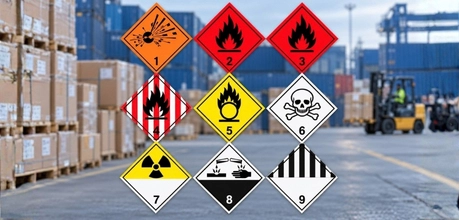
5. Dangerous Goods Transport: Hazardous materials require special handling, documentation, and vehicles, increasing costs for both intrastate and interstate shipments.
6. Fuel Prices: Fuel is a major variable. Rising diesel prices affect interstate freight more than intrastate due to greater distances travelled.
7. Access and Delivery Conditions: Deliveries to remote or regional areas, locations requiring tail-lift truck services with restricted access windows may incur additional charges.
8. Tolls and Permits: Interstate routes, particularly along the east coast, involve toll roads and may require special vehicle permits for oversized loads.
Cost Comparison Table
|
Cost Factor |
Intrastate Freight |
Interstate Freight |
|
Base rate |
Lower |
Higher |
|
Fuel surcharge |
Lower |
Higher |
|
Compliance overhead |
Low |
Moderate to high |
|
Toll costs |
State-specific |
Multi-state applicable |
|
Driver accommodation |
Rarely required |
Often required |
|
Overall cost |
Lower |
Higher |
Comparing Interstate vs Intrastate Transit Times
NSW recorded its highest-ever road freight in 2024–25 at 87.6 billion tonne kilometres meaning Australia's key corridors are busier than ever, and transit times are more dependent on smart planning than ever before.
Transit times for both intrastate and interstate freight are affected by:
- Route distance — Longer routes take longer, regardless of service type.
- Carrier service level — Express services move faster than economy or groupage freight.
- Time of booking — Same-day or next-day bookings depend on carrier cut-off times.
- Freight consolidation — LTL shipments may wait at a depot for a consolidated load before departure.
- Driver fatigue regulations — National fatigue laws mandate rest breaks, adding time to long-distance interstate runs.
- Border biosecurity checks — Fresh produce, plants, and certain goods may be inspected at state borders.
- Weather and road conditions — Flooding, road closures, and adverse weather can affect both intrastate vs interstate deliveries.
Transit Time Comparison Table
|
Route Example |
Type |
Estimated Transit Time |
|
Sydney → Newcastle |
Intrastate (NSW) |
Same day to next day |
|
Intrastate (QLD) |
1–2 days | |
|
Perth → Kalgoorlie |
Intrastate (WA) |
1 day |
|
Interstate |
1–2 days | |
|
Interstate |
1–2 days | |
|
Interstate |
2–3 days | |
|
Melbourne → Perth |
Interstate |
4–6 days (road) |
|
Sydney → Darwin |
Interstate |
5–7 days (road) |
|
Melbourne → Brisbane (Express Air) |
Interstate |
Same day to next day |

Note: These are indicative estimates. Actual transit times vary by carrier, service level, and freight type & availability.
Which Freight Service Is Right for Your Business?
Key factors to consider when you choose between Interstate vs Intrastate freight services.
When to Choose Intrastate Freight
Interstate freight is the right choice when:
- Your customers, suppliers, or distribution points are all within the same state.
- You require fast, cost-effective delivery with minimal regulatory complexity.
- You are transporting perishable goods that need swift delivery.
- You're a small business or sole trader operating in a localised market.
- You need reliable same-day or next-day delivery services.
Examples: A Melbourne florist supplying local event venues, a Sydney bakery distributing to suburban cafés, a mining supplies company servicing sites within WA.
When to Choose Interstate Freight
Interstate freight is the right choice when:
- Your customer base spans multiple states or territories.
- You source materials or stock from suppliers in other states.
- You're expanding your business nationally and need a scalable logistics solution.
- Your shipments are large enough to justify FTL rates across longer distances.
- You require a multimodal solution by road to rail to sea to optimise cost and transit time.
Examples: An e-commerce retailer shipping nationally, a manufacturer distributing products to resellers across all major cities, a wholesaler supplying national retail chains.
Why Choose Alpha Trucking for Freight Transport?
Whether you need intrastate or interstate freight, Alpha Trucking delivers reliable, compliant, and cost-effective transport solutions tailored to your business.
Here's what sets Alpha Trucking apart:
-
National network — We operate interstate freight routes connecting all major Australian capital cities and key regional hubs.
-
Intrastate specialists — Our local knowledge means faster, smarter routing within your state.
-
Compliance confidence — Fully accredited under the National Heavy Vehicle Accreditation Scheme (NHVAS), ensuring your freight moves safely and legally.
-
Transparent pricing — No hidden charges. We provide accurate, upfront quotes based on your actual freight requirements.
-
Experienced team — Our logistics specialists can help you determine whether intrastate vs interstate trucking is the right solution and build a plan that works.
-
Dangerous goods certified — We handle hazardous materials safely and compliantly on both intrastate vs interstate routes.
Conclusion
Understanding the difference between intrastate vs interstate freight directly affects your delivery times, compliance obligations, and shipping costs, so it's worth getting right.
If your customers and suppliers are all within the same state, intrastate freight is your most practical and cost-effective option. If you're moving goods across state lines, interstate freight is the only way to do it and navigating it well comes down to choosing the right carrier.
Either way, Alpha Trucking has you covered. We handle both intrastate and interstate freight across Australia, with full regulatory compliance, transparent pricing, and a team that genuinely knows freight.
Ready to streamline your freight operations? Let Alpha Trucking help you choose the right interstate or intrastate freight solutions to improve efficiency, reduce costs, and deliver with confidence across australia.
FAQs: Intrastate vs Interstate Freight
What is interstate freight?
Interstate freight is the transportation of goods between two different Australian states or territories. For example, shipping goods from Sydney (NSW) to Melbourne (VIC) is interstate freight because it crosses the NSW to Victoria border.
What is intrastate freight?
Intrastate freight is the movement of goods that start and end within the same state or territory. A delivery from Melbourne to Brisbane, for example, is intrastate freight because both locations are within Queensland.
What is the main difference between interstate and intrastate freight?
Interstate freight crosses at least one state or territory border, while intrastate freight stays entirely within a single state. The two differ in terms of regulations, licensing, cost, and transit times.
Is interstate freight more expensive than intrastate?
Yes, interstate freight is typically more expensive because shipments travel longer distances and often involve higher fuel costs, compliance requirements, tolls, permits, and driver expenses. Intrastate freight usually costs less due to shorter routes and simpler logistics.
Does intrastate freight support same-day delivery?
Yes. Alpha trucking freight company providers offer same-day delivery services, especially within metropolitan and regional areas where travel distances are relatively short.
What regulations apply to interstate freight in Australia?
Interstate freight is primarily governed by the National Heavy Vehicle Law (NHVL) and overseen by the National Heavy Vehicle Regulator (NHVR). Carriers must also comply with chain of responsibility (CoR) obligations and any applicable biosecurity requirements at state borders.
How do I know whether I need interstate or intrastate freight?
Check your origin and destination. If both are in the same state or territory, you need intrastate freight. If they're in different states or territories, you need interstate freight. Your freight provider can also confirm this and advise on the right service for your consignment.
Why do Australian businesses choose Alpha Trucking for interstate and intrastate freight?
Australian businesses choose Alpha Trucking because we offer reliable freight transport, nationwide coverage, regulatory compliance expertise, competitive pricing, dangerous goods capabilities, and tailored logistics solutions for businesses of all sizes.