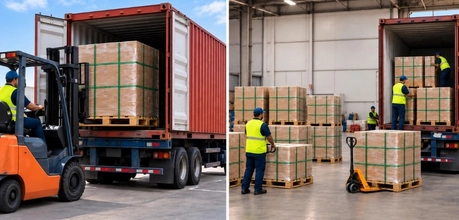


The logistics and freight industry plays a crucial role in global trade, but it is not immune to fraudulent activities. Freight scams have become a growing concern, posing risks to businesses' operations, finances, and reputations.
Understanding how freight scams work and how to spot them early is essential for keeping your business safe. This guide by Alpha Trucking explains the most common freight fraud types, how to recognise warning signs, and practical ways to protect your supply chain from financial and reputational damage.
What Are Freight fraud?
Freight fraud refers to fraudulent activities targeting businesses involved in logistics and freight forwarding.from those within the transportation sector. A logistics scam is rarely a simple mistake, it is a calculated attack on supply chain vulnerabilities.
Why Freight Scams are Increasing
Modern logistics fraud thrives by exploiting the high-pressure nature of the industry. Scammers focus on three main gaps:
- Complex Chains: The more intermediaries involved, the easier it is for a transport scam to go unnoticed.
- Urgency: Fraudsters rely on "hot loads" to force businesses to skip deep vetting.
- Digital Gaps: Heavy reliance on email makes it easy to spoof identities and redirect payments.
Common Types of Logistics Fraud
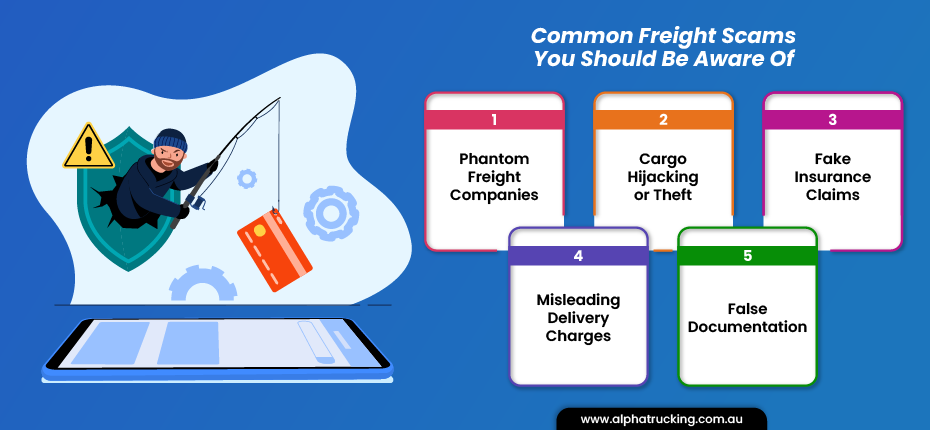
There are many ways criminals try to trick businesses. Knowing these common freight scams is the best way to protect your money and your cargo:
- Phantom Freight Companies(A Common Logistics Scam): Fraudsters set up fake websites and use stolen business numbers. They take your booking and your money, and once payment is made, they vanish, leaving the shipment unfulfilled.. This is a classic logistics scam that targets businesses looking for quick deals.
- Physical Freight Theft and Cargo Hijacking: In this scenario, criminals use fake IDs to pick up your goods. Instead of delivering them, they steal the entire load. This type of freight theft is a major risk that leads to significant losses, especially with high-value cargo.
- Fake Insurance and Logistics Fraud: Some scammers pretend that goods were damaged during the trip. They use fake photos to file a fraudulent claim, trying to get extra money from you or your insurance company.
- Hidden Fees Transport Scam: A common transport scam starts with a very low price. Once your goods are on the truck, the "carrier" adds huge, hidden fees and refuses to release your items until you pay more.
- False Documentation and Freight Fraud: Criminals often use fake paperwork, like forged bills of lading or invoices. This type of freight fraud causes big delays at customs and can lead to heavy fines for your business.
Criminals often use fake paperwork, like forged bills of lading or invoices. This type of freight fraud causes big delays at customs and can lead to heavy fines for your business.
Why are these Freight Scams so successful?
Most criminals rely on people being in a hurry. They want you to skip background checks so they can steal your money or your goods. By slowing down and verifying every partner, you can stop a logistics scam before it starts.
How to Spot a Logistics Scam
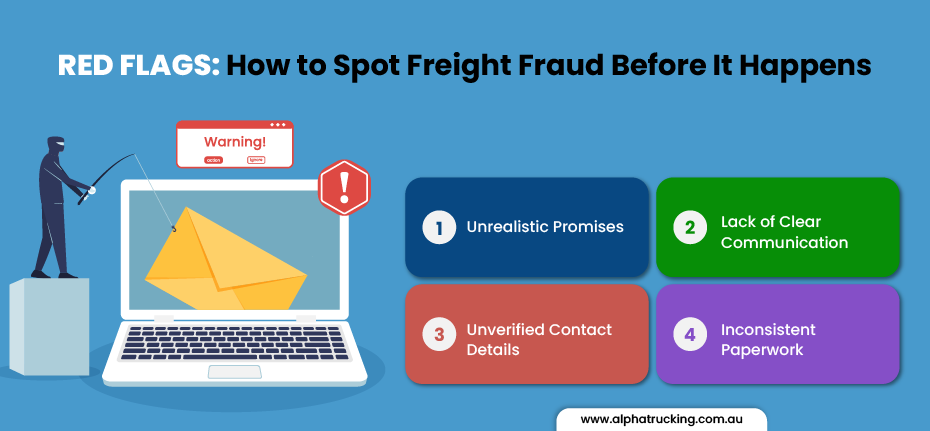
Recognising the warning signs of logistics fraud is your best defense. If you notice any of these "red flags," pause the transaction immediately to prevent a potential transport scam:
- "Too Good" Rates: If a deal seems too good to be true, it likely is. Extremely low rates or "instant" delivery guarantees are common tactics used in freight scams to lure in businesses that are looking to save money or time.
- Vague Communication and Avoidance: Legitimate providers are transparent. A major sign of a logistics scam is when a contact avoids direct phone calls, gives incomplete answers, or refuses to share recent references.
- Unverifiable Contact Details: Always check the "small print." Fraudsters often use email domains that do not quite match the company name or provide phone numbers that cannot be traced. Verifying these details is a simple way to stop freight fraud before it starts.
- Inconsistent Paperwork and Digital Errors:
Freight scams often involve poorly formatted documents. Look for:
- Mismatched shipment details.
- Spelling errors in company names.
- Inconsistent logos on bills of lading or invoices.
Educating Your Team on Freight Fraud
Your staff is your first line of defense against a logistics scam. Training your team to identify red flags early can prevent a costly transport scam from hitting your business.
Training for Logistics Fraud Prevention
- Spot the Signs: Teach staff to look for sudden rate changes, rushed payment requests, or vague contact details.
- Verify Everything: Ensure every driver and carrier is checked before cargo is released to prevent freight theft.
- Reporting: Encourage your team to report suspicious interactions immediately to stop freight scams in their tracks.
Regular awareness sessions on the latest freight fraud tactics empower your organisation to stay one step ahead of criminals.
How to Protect Your Business from Freight Scams
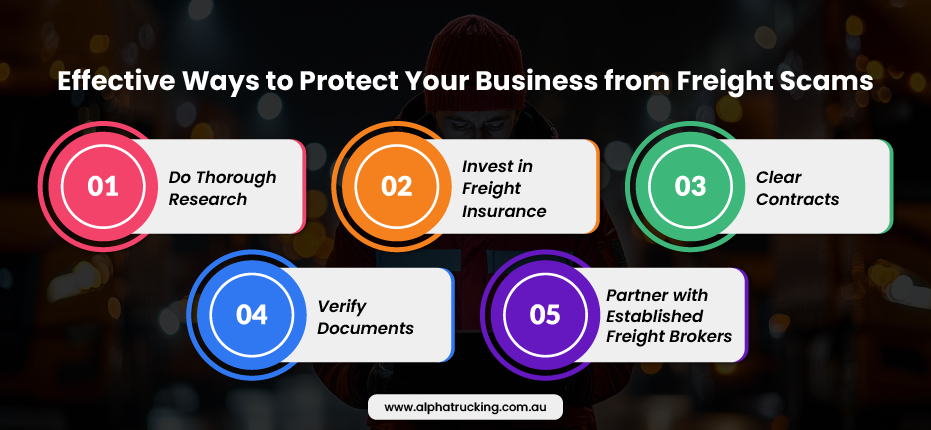
Using proactive risk-management is the best way to reduce your exposure to logistics fraud. Use these steps to secure your supply chain:
- Research Before Booking: Never skip the background check. To avoid a logistics scam, verify company registrations via ABN Lookup and check online ratings. Authentic providers will always have a traceable history.
- Request Clear Contracts:
Insist on detailed agreements. A common transport scam relies on vague terms to hide extra fees. Your contract should clearly state:
- Delivery timelines and payment milestones.
- Responsibilities for insurance and penalties.
- Partner with Reputable Providers: Work with companies that prioritise transparency. For example, Alpha Trucking’s general freight and pallet services use strict vetting procedures for every carrier to block freight scams before they happen.
- Invest in Freight Insurance: While it would not stop a criminal, tailored transit insurance is a vital safety net. It protects your business from the financial impact of logistics fraud or loss during interstate transport.
- Partner with Established Freight Brokers: Trusted brokers with proven track records minimize the risk of freight broker fraud. Their established networks and rigorous processes add a layer of security to your logistics operations.
What to Do if You Fall Victim
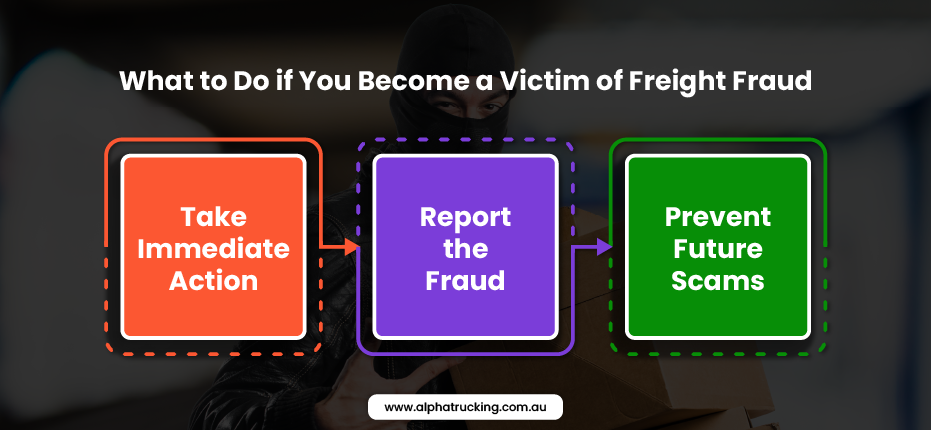
Even with the best precautions, freight fraud can still occur. If you suspect your business has been targeted by a transport scam, acting quickly is the only way to minimise your losses:
- Take Immediate Action: Stop all active transactions immediately. Contact the supposed carrier or broker to halt any movement of goods. If you have already sent funds, alert your bank or payment provider to report the logistics fraud and attempt to freeze the transfer.
- Report the Fraud Scam:
Reporting the incident is vital for the safety of the entire industry. You should:
- Notify Authorities: File a report with Scamwatch and the ACCC in Australia.
- Provide Evidence: Supply all communication logs, fake invoices, and forged documents used in the logistics scam.
- Alert Industry Regulators: Inform transport associations to help them track and warn others about the fraudulent entity.
- Strengthen Your Processes: After an incident, review your internal approvals. Tighten your vendor vetting and payment checks to ensure your business is no longer a target for freight scams.

Conclusion
Freight scams are an unfortunate reality in the logistics world, but they can be prevented through vigilance, education, and trusted partnerships.
By recognising scams, conducting thorough research, and partnering with reputable providers, you minimise risks and ensure smooth logistics operations.
Safeguard your consignment today. Contact Alpha Trucking for transparency and reliability, offering businesses the peace of mind they deserve. Protect your business by staying informed and choosing trustworthy freight solutions.