


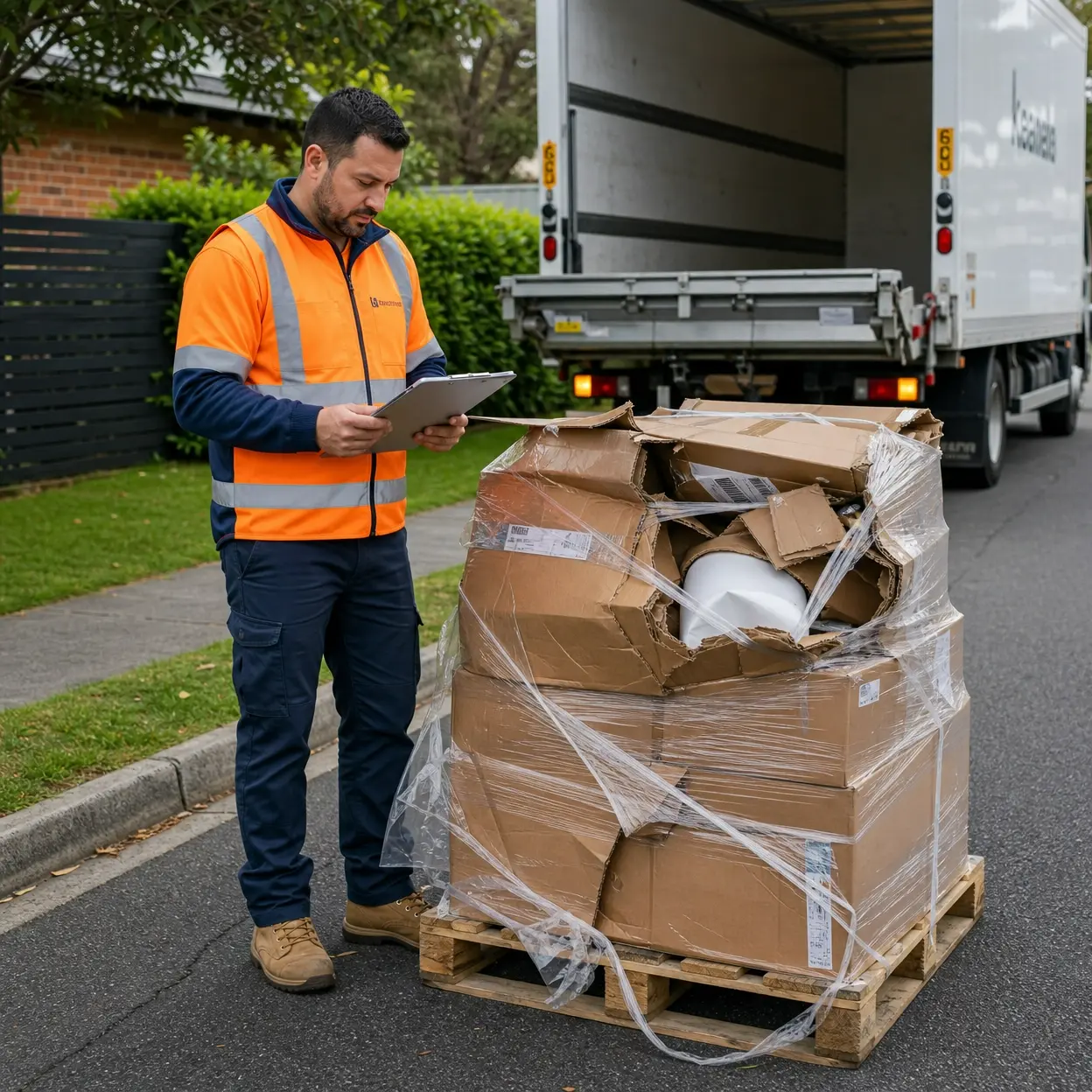
There are many places where freight forwarders require insurance coverage. Most of the time, it is not the freight forwarding company's fault; the handling of the goods is to blame. Hence, to protect freight forwarding companies from unnecessary losses, freight insurance is necessary. This blog deals with freight insurance in Australia, so stay tuned to learn everything about it.
What is Freight Insurance and
Why Does Your Business Need It?
Freight forwarder cargo insurance is a policy that covers the loss, damage, or loss of goods during transit. The freight forwarders ensure the freight is delivered safely to the destination, and freight insurance provides protection against unforeseen circumstances such as accidents, weather events, disruptions, or theft.
Freight forwarder insurance is a very crucial element of every freight transportation. Hence, let us take a closer look at why freight insurance is necessary for your business:
●
Freight forwarding insurance saves you from the loss
caused by unforeseen circumstances. Even after you follow a full-fledged plan,
there is still a possibility of errors; hence, it is recommended to get freight
insurance.
●
Sometimes, freight is not delivered safely. This will
tarnish your brand's reputation. But when you replace the damaged product, the
loss is on your brand. So, the issue can be resolved with freight insurance;
you can recover the cost of the replacement.
●
In some industries, freight forwarding insurance is not
just an add-on but a mandatory requirement. Some business deals require freight
insurance before the shipment leaves the source.
● In dedicated freight insurance, you can get the amount much faster and direct reimbursement than the carrier’s limited liability claims process.
Is Your Freight Forwarder
Responsible for Loss?
Yes, generally, the freight forwarder is responsible for any loss or damage that occurs during transit. This is considered a result of negligence, error, or omission. These days, clients are well aware of the rules and regulations, and hence they file lawsuits against freight forwarders.
The unintentional breach of any regulation or statutory requirement will result in the customer imposing penalties on the freight forwarder. This will result in fining the freight forwarders. Any loss caused to the third party’s property that can be legally recovered is a case of claims against the freight forwarder.
All the above-mentioned cases pose risks to freight forwarders; hence, freight insurance is necessary to protect them from unwanted risks and complications. In this way, you also save your company from the negative impact it would create.
What Does Freight Insurance
Actually Cover?
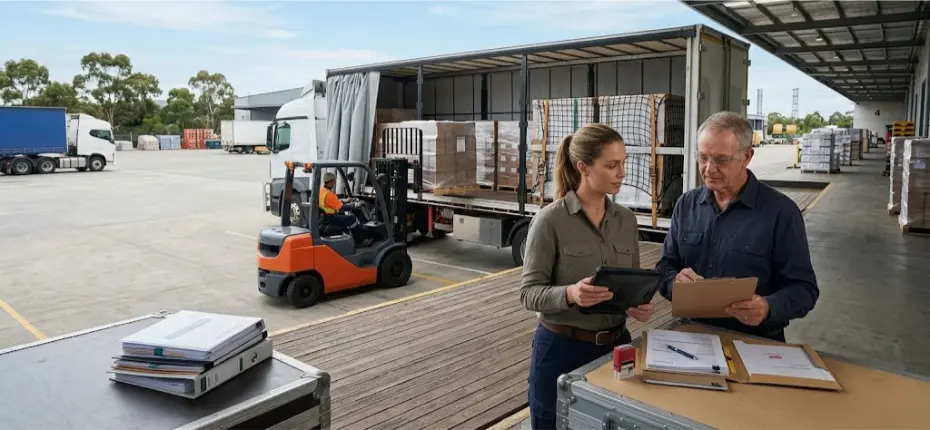
The damage
covered by the freight forwarder's cargo insurance is mentioned in the policy
document. Hence, whenever you opt for freight insurance, read the insurance
document thoroughly before agreeing to the terms. Here are some of the pointers
that the freight insurance actually covers:
●
Freight insurance covers damage, loss, or theft during
transit. The freight needs to be packed in accordance with the insurance's
rules and regulations. Hence, the insurance covers the damage cost if
everything else is in accordance with the insurance policy.
●
Domestic freight
transport insurance covers goods transported by sea, air, road, and
rail. If it is international freight, the insurance covers overseas shipments
with multiple carriers and modes of transport. Ensure the multi-leg journeys
are fully insured.
Common Exclusions: What Is NOT
Covered?
There are a few
points to remember that are not covered by international freight insurance.
Here are the pointers that are not covered in the freight insurance:
Improper Packaging
When the goods are properly packed in accordance with industry standards, insurance cover will not be provided, as this constitutes negligence.
Inherent Vice
When the product
sent was defective and caused a bad customer experience, the insurance company
will not be responsible for payment.
Willful Misconduct
Some forms of
freight insurance do not cover damage caused by war or terrorism.
How to File a Freight Insurance
Claim
Although you
follow all the best practices while moving freight, there is still no guarantee
that no risks will be involved. This is where freight forwarder insurance comes
into play. These are the pointers that explain how to file a freight insurance
claim:
Step 1: Notify Your Insurance
Provider
The moment you
notice an issue, inform your insurance provider to avoid further delays.
Generally, there is a time period during which you can claim insurance. Hence,
notify your insurance provider and follow the proper steps to file a claim.
Step 2: Document The Damage Or
Loss
When you claim
for freight insurance, you must have proof with you. Hence, have pictures of
the damaged shipment and packaging. If the parcel is lost, make sure you have
all the tracking data showing that the shipment was shipped but did not reach
the destination.
Step 3: Submit A Claim Form
Your insurance
provider will ask you to fill out a claim form. This asks for the shipment
value, a description of the damage, and documentation supporting the claim.
Step 4: Review The Claim
After the
insurance provider receives the documentation, it is verified properly. The
insurance provider may request additional information or proof. In some cases,
the adjuster may request an inspection of the goods to assess the extent of the
damage.
Step 5: Receive Compensation
Once the claim
is approved, the freight forwarder company receives the amount. The
reimbursement may be complete or partial, depending on the level of coverage.
Freight
insurance in Australia is mandatory, and freight forwarders handling overseas,
sensitive, or dangerous goods
transport should opt for international freight insurance to be on
the safe side. This will help you avoid financial losses and maintain your
business's reputation.

