


Australia’s freight industry keeps supermarkets stocked, factories supplied, and businesses moving every day. But behind every successful delivery is one essential person, who is the driver. Right now, the truck driver shortage in Australia is a serious issue, and it is affecting almost every part of transport.
For freight companies like Alpha Trucking, this shortage is more than just a hiring challenge. It affects delivery schedules, freight costs, customer expectations, and long-term business planning.
The demand for transport keeps growing because more businesses depend on fast road freight. At the same time, many companies have truck jobs hiring, but fewer people are stepping into those roles. This growing driver shortage in the trucking industry is now one of the biggest concerns for Australian logistics.
The question is simple: why are there truck drivers needed everywhere, but not enough people are willing or able to do the job?
What’s Causing the Driver Shortage?
The current trucker shortage did not happen overnight. It developed slowly over many years because several workforce problems were never fully solved.
Aging Drivers
One major reason is age. A large part of Australia’s truck driving workforce is now close to retirement. Recent industry data shows that nearly half of Australian truck drivers are over 55 years old, which means thousands of experienced drivers may leave the industry within the next few years. This creates a difficult gap.
Older drivers carry valuable road knowledge, route experience, and practical problem-solving skills. When they retire, that experience leaves with them. The industry then needs younger workers to replace them quickly, but that is not happening fast enough.
For the freight specialists, this means planning becomes essential. A driver retiring today can create long-term pressure tomorrow if a replacement is not ready. It also explains why truck driver demand keeps rising even when freight volumes stay steady.
Lack of New Driver Recruitment
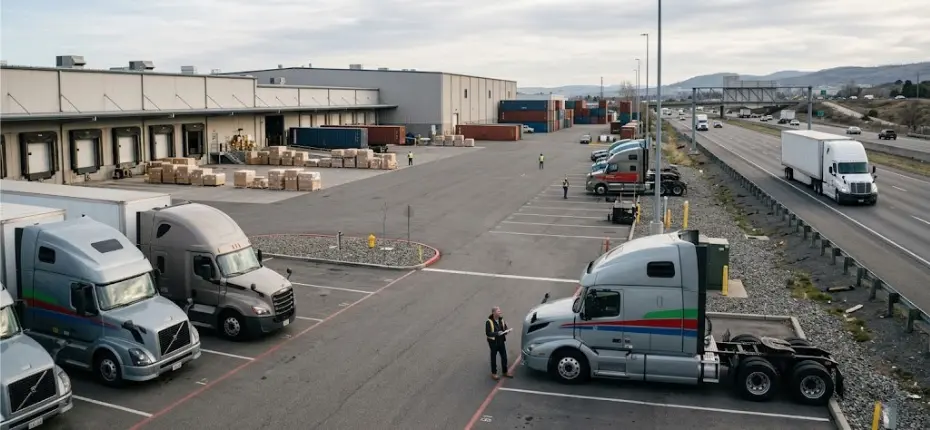
The next problem is attracting younger workers. Many younger people do not immediately see trucking as an attractive reason why freight businesses now focus on career option. Long hours, time away from home, night driving, and physically demanding work often push them toward other industries.
At the same time, many job seekers may not fully understand the opportunities available in modern freight. Truck driving today is no longer only about long-distance driving. It also includes route technology, digital scheduling, compliance systems, and specialised freight handling.
Still, many transport businesses continue to report difficulty filling vacancies. Some industry reports show that between 44% and 70% of operators struggle to recruit new drivers.
This explains why advertisements for truck jobs remain active for long periods. Freight businesses now need to do more than offer a salary. They must show career growth, stability, and modern working conditions.
Fatigue, Burnout, and Health Issues
Truck driving can be physically and mentally demanding. Drivers often work under strict delivery deadlines, heavy traffic conditions, changing weather, and long periods of concentration.
Over time, this can lead to fatigue. Fatigue is not only tiring, but it also affects safety, focus, and long-term health. Many drivers report stress, back pain, sleep issues, and lifestyle-related health concerns caused by sitting for long hours and irregular meal schedules.
Burnout also pushes some drivers to leave the profession earlier than expected. This means the driver shortage in the trucking industry is not only caused by retirement but also by people deciding the work is too difficult to continue for many years. That is why freight businesses now focus more on realistic schedules, safer rest planning, and optimizes for better route design.
Training and Licensing Barriers
Becoming a heavy vehicle driver in Australia requires time, money, and patience. A new driver must pass knowledge tests, complete practical training, and pay for licensing at different vehicle levels.
In many cases, heavy vehicle licence costs can range from hundreds to over two thousand dollars, depending on licence class and training needs.
For many young people, this feels like a big investment before earning income.
The licensing process also varies by state, which adds to the confusion.
This slows down new entry into the market. Even when companies urgently need drivers, the training pipeline cannot always respond fast enough. That is one reason truck drivers need remains such a common industry message.
The Solid Solution: Integrate, Automate and Dominate with Manage Vehicle
While hiring remains difficult, technology is helping freight businesses manage the shortage better. The strongest solution is not simply adding more people; it is using systems that allow each driver and vehicle to work more efficiently. Let us look at the solutions closely:
For Truck Driver Shortage
The freight specialists are opting for solutions to solve the truck driver shortage issues. Here is how they are trying to solve the issue:
- Fleet software helps companies reduce wasted time.
- When routes are planned better, drivers complete more deliveries without unnecessary delays.
- A driver who spends less time waiting, re-routing, or handling paperwork becomes more productive.
- Digital route planning, GPS visibility, and live dispatch systems help businesses use available drivers more effectively.
For Alpha Trucking, this means one skilled driver can complete work that previously required more manual coordination. That matters during a truck driver shortage in Australia, when every available driver becomes valuable.
For Regulatory Compliance:
For issues like regulatory compliance, the freight specialists in Australia have found few effective solutions. They are:
- Compliance in trucking is strict, and rightly so. Drivers must manage fatigue rules, delivery records, maintenance checks, and safety requirements.
- Manual paperwork increases pressure and creates room for errors. Fleet systems now automate many of these tasks:
- Digital logs
- Maintenance alerts
- Licence tracking
- Delivery confirmation
- This reduces stress for drivers and managers.
- When drivers spend less time on paperwork, they can focus more on safe driving. It also helps companies avoid costly compliance mistakes.
For Supply Chain Management:
The shortage affects the whole supply chain, not only transport companies. When one delivery is delayed, warehouse schedules, stock planning, and customer delivery promises all get affected.
The freight management system needs to be planned in the following manner:
- Smart freight systems improve communication across the chain.
- Real-time updates help customers know exactly when freight will arrive.
- This makes delays easier to manage and reduces pressure on drivers.
All these solutions need to be implemented and experienced freight courier companies are capable enough to handle all these solutions well. For Alpha Trucking, reliable communication can protect customer trust even when industry-wide shortages create challenges.
Preparing for the Future of Australian Transport
The driver shortage will likely remain a major issue for years. Freight demand is growing, and Australia still depends heavily on road transport.
This means the industry must work on several solutions together:
- Attract younger workers
- Improve training access
- Make driving careers more appealing
- Invest in better technology.
- Support driver wellbeing
The future of transport will depend on balancing people and systems. Drivers will always remain central to freight movement, but businesses that prepare early will handle pressure better.
Alpha Trucking already operates in a market where reliability matters every day. In an environment of rising truck driver demand, smart planning is no longer optional; it becomes a competitive advantage.The industry may not solve the trucker shortage overnight, but businesses that adapt now will stay stronger in the years ahead.