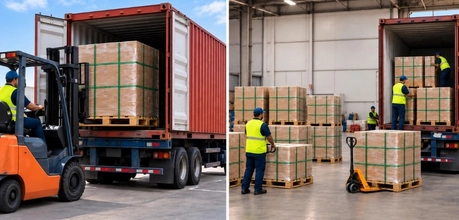

Australia's major industries, including mining, construction, agriculture, energy, and logistics rely heavily on the transportation of large and heavy loads like machinery and modular structures. Strict guidelines and regulations must be followed to safeguard road safety, maintain effective traffic flow, and protect infrastructure. Operators must obtain necessary heavy haul permits and approvals before any journey..
Understanding Heavy Haulage in Australia

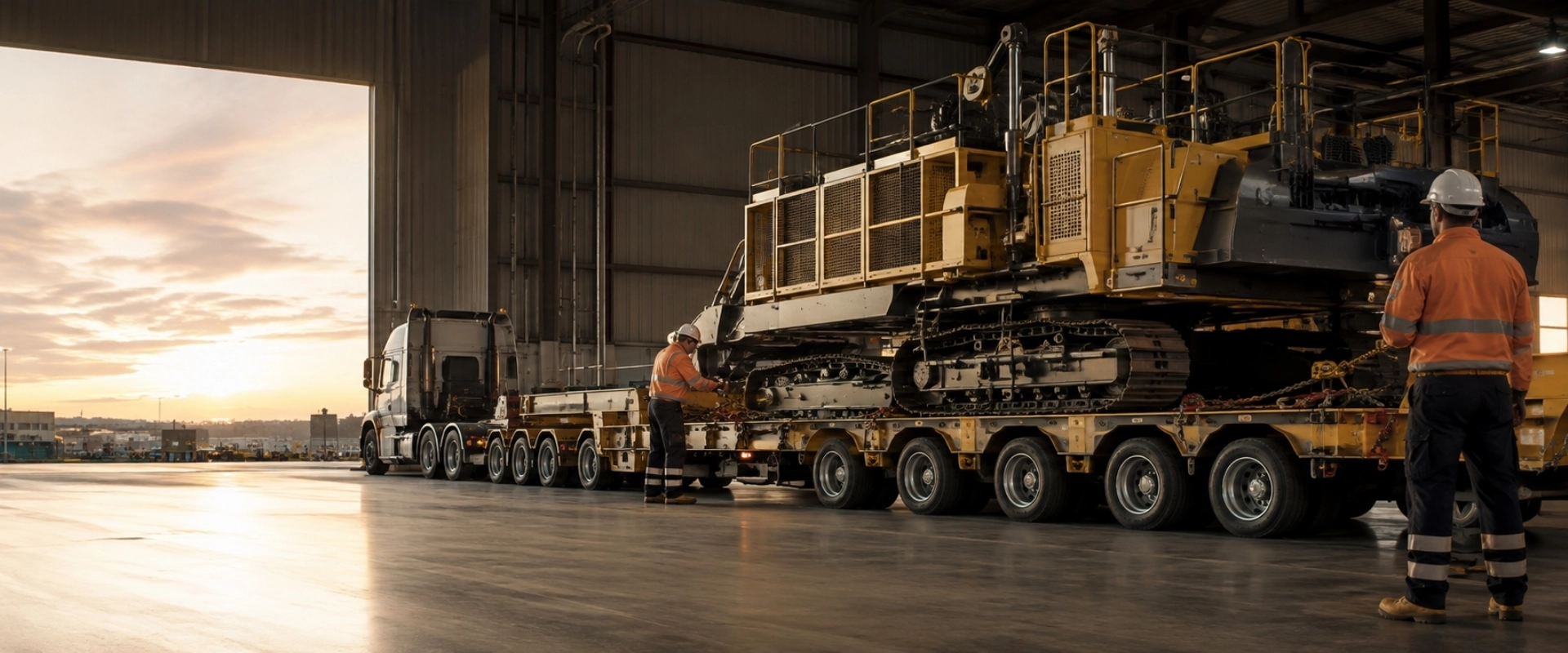
Any transportation task involving loads that surpass standard legal limits is considered heavy haulage. Large agricultural harvesters, prefabricated buildings, mining machinery, construction equipment, and specialised industrial units are a few examples. When the weight or configuration of a container exceeds permitted limits classified as heavy haul.
Large loads require careful route planning, precise measurements, and appropriate safety assessments. The permit and approval procedures make sure the movement complies with established oversize load regulations because of the risks involved in heavy haulage transportation.
Why Heavy Haulage Permits Are Necessary
Australia's vast road network includes regional highways, local council roads, bridges, tunnels, and locations with strict dimensional clearance limits. An oversized load that is too tall could obstruct overhead lines.
To guarantee that every movement is thoroughly evaluated before a vehicle enters public roads, heavy haul permits are in place. Authorities assess overall safety conditions, infrastructure constraints, and the selected route. Operators run the risk of severe fines, delays, or mishaps without permits, all of which can cause major projects or supply chains to be disrupted.
Need expert assistance navigating Australia's complex heavy haulage regulations? Contact our team today for a quote on your specialised transport project.
Types of Heavy Haulage Permits in Australia.
While Western Australia and the Northern Territory operate their own systems, most regions fall under the National Heavy Vehicle Regulator (NHVR). All frameworks ensure compliant movement, primarily through permit classes:
- Oversize/Overmass (OSOM) Permits: Required when a vehicle or load exceeds Australia’s standard mass or dimension limits, typically for transporting a container, heavy machinery, or modular structures.
- Class 1 Permits: Apply to indivisible loads such as large agricultural machines, cranes, construction equipment, or building modules that cannot be separated into smaller parts.
- Class 2 Permits: Cover specific, high-productivity vehicle combinations, including B-doubles, road trains, and certain Performance-Based Standards (PBS) vehicles used for specialised transport operations.
- Class 3 Permits: Issued for unique transport scenarios requiring exemptions from normal limits, such as movements tied to infrastructure projects or dangerous goods services involving restricted cargo.
The Operational Requirements of Heavy Haul Permits
The Permit Application Process
The process starts with securing accurate load and vehicle measurements and recording the overall configuration, as miscalculations can lead to delays or rejection. Once confirmed, operators plan and gain approval for the transport route. Applications are submitted via a digital portal. Authorities then issue a permit detailing allowed travel times, speed restrictions, escort requirements, route limitations, and safety conditions.
Escort and Pilot Vehicle Requirements
To ensure safety, escort or pilot vehicles are often mandatory, traveling ahead of or behind the truck to direct the operator, control intersections, and warn other drivers. Police escorts may be required for extremely heavy or delicate loads.
The necessity and type of escort depend on the load size, road classification, local regulations, visibility, and state/territory oversize load laws.
Permit Fees and Approval Timelines
Permit costs are influenced by the number of road managers involved, the permit type, and the need for engineering assessments. Simple permits are typically approved in a few business days, while complicated moves across multiple jurisdictions can take up to weeks. Due to these timelines, early submission is crucial, as heavy haul movements must be included in larger project schedules.
Operator Responsibilities and Compliance
A permit is only part of the operator's legal duty. Operators must ensure all warning signs, lights, and banners are visible, the vehicle is roadworthy, and the load is properly secured. Drivers must adhere strictly to approved travel times. Additional regulations apply when coordinating dangerous goods freight in Australia due to complex national compliance requirements for hazardous materials.
Common Mistakes Operators Should Avoid
- Deviating from the approved route or using unapproved roads.
- Last-minute permit submissions result in project delays.
- Failing to make the necessary arrangements for an escort vehicle.
- Ignoring seasonal restrictions, road construction, or bridge limits.
- Transporting oversized loads without the physical or digital permit.
Best Practices for Smooth Heavy Haulage Operations
Planning is the heart of heavy haulage success. Operators who prepare early, conduct route surveys, and maintain clear communication with contractors and authorities minimise the risk of delays. Working with experienced logistics providers who specialise in heavy haulage transportation also ensures accurate applications and compliance with both national and state-specific oversize load regulations.
Conclusion
Ensuring safe and compliant movements requires thorough understanding of the permit and approval process, including oversize load regulations and state-based requirements. By prioritising proper planning and strict adherence to heavy haul permits, businesses can protect infrastructure and keep critical projects on track.